Every time someone sees a photo of themselves, their eyes often go straight to the upper arms. The small “wave” at the back, tight sleeves in pictures, and ads promising slimmer arms can trigger a lot of doubt and curiosity.
Arm compression sleeves and arm shaper sleeves can smooth flabby arms, reduce visible jiggle, and support muscles during activity. They do not directly burn arm fat or replace a long-term plan for overall weight loss.
This article explains what these sleeves really do for flabby arms and weight loss. If you run a brand, retail shop, or online store, you will also see what this means for how you design, select, and position your arm sleeve products. For a full overview of sleeve types and fabrics, see our main guide: Arm Sleeves 101: What They Are, What They Do, and Who They’re For.
Do arm compression sleeves really work for flabby arms?
Many people search this question right after seeing a “slimming sleeve” advertisement or trying on a dress that feels too tight on the upper arm. They want to know if a sleeve can fix that soft, shaking area.
Arm compression sleeves work for flabby arms by smoothing the outline, holding soft tissue closer to the muscle, and reducing jiggle while you move. They do not remove fat or tighten loose skin permanently.
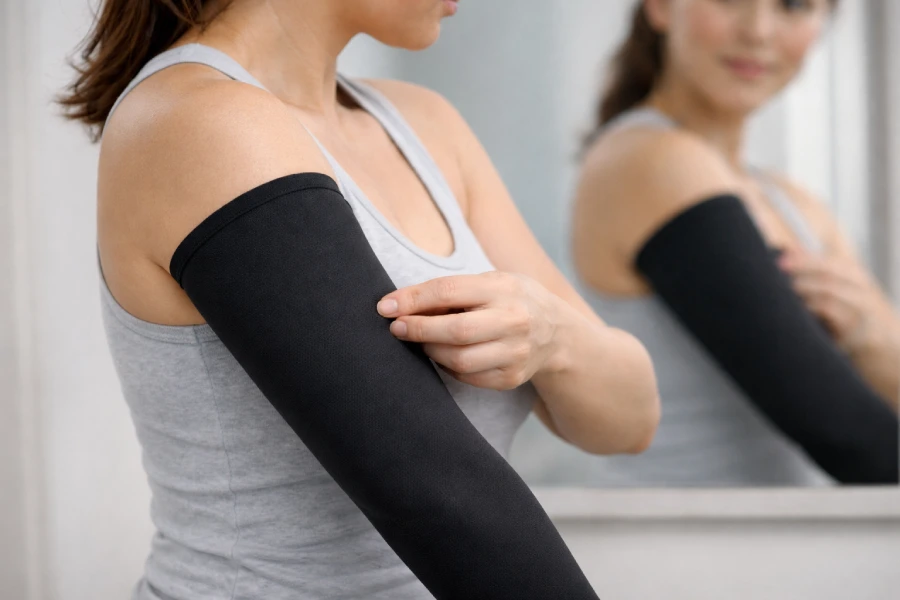
A compression arm sleeve applies gentle, even pressure around the upper arm. When the sleeve is sized correctly, that pressure pulls soft tissue slightly inward and holds it more firmly against the muscle. The immediate effect is mostly visual and sensory:
- The arm looks a little more even under clothes.
- The “wobble” when walking or running is reduced.
- The arm can feel more supported and stable during exercise.
This is why many people feel more confident wearing short sleeves or fitted tops when they have a compression sleeve underneath. It is similar to how shapewear works for the waist or thighs: the fabric controls how soft tissue spreads and moves, but it does not change how much fat the body stores.
The limits are just as important as the benefits. A sleeve cannot shrink fat cells, build muscle by itself, or correct significant loose skin after large weight loss or aging. Those changes need overall fat reduction and strength training over time.
Do arm shaper sleeves work the way the ads claim?
Arm shaper sleeves are often shown in ads with very dramatic before-and-after images. Many buyers use them under dresses or uniforms and hope for instant “toned” arms. The question is whether they work in real, everyday use.
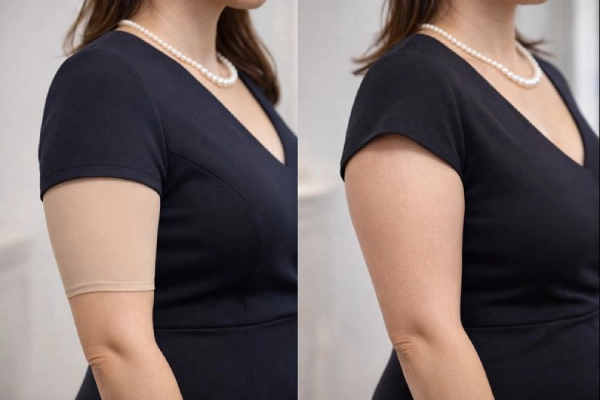
Arm sleeves can make arms look slimmer under clothing by compressing and smoothing soft tissue. The effect is temporary and only lasts while the sleeve is worn; it does not give permanent toning.
Arm shaper sleeves are usually tighter and more sculpting than simple sports sleeves. The fabric may be thicker, with more elastic yarns, and sometimes has patterns or ribs that press more on certain areas. When worn:
- Folds and small bulges on the upper arm become less visible under fabric.
- Dress sleeves often hang more cleanly, without obvious bumps.
- Many users feel more confident in photos or at events.
However, once the sleeve comes off, the arm returns to its normal shape. Claims such as “melts arm fat” or “breaks up cellulite” are not supported by clear scientific evidence. The sleeve changes appearance and feel, not the structure of the tissue.
If you sell arm shaper sleeves
If you are a brand owner, buyer, or retailer, this part matters for your product positioning:
- Customers buy arm shaper sleeves mainly for a smoother shape under clothes, not as a medical device.
- If your packaging or product page promises “fat burning” or “instant arm fat loss,” you risk higher return rates and negative reviews.
- Safer, clearer wording is to focus on shaping, support, comfort, and confidence rather than permanent fat reduction.
This approach still speaks to the real emotional need, but keeps expectations realistic and reduces pressure on your customer service team.
Do compression sleeves reduce arm fat or help with weight loss?
Many shoppers hope compression sleeves will speed up fat loss, especially when they see “slimming” or “weight loss” printed on the packaging. Some products, especially neoprene styles, make the arm sweat more. This easily creates confusion.
Compression sleeves do not directly reduce arm fat or cause weight loss. They may support training by improving comfort and reducing muscle vibration, but real fat loss still depends on overall calorie balance and activity.
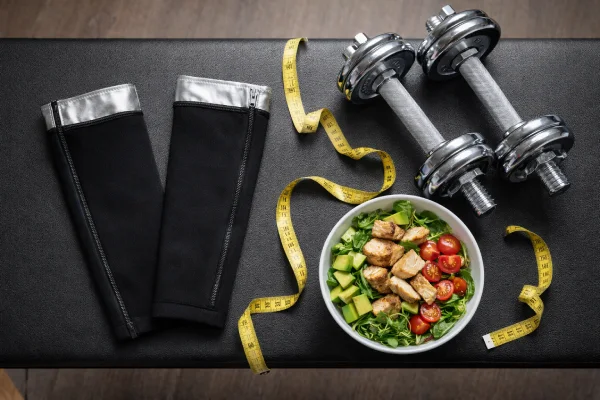
Here is how this works in simple terms:
- The body decides where to burn fat based on hormones, genetics, and total energy use, not local pressure on one body part.
- Wearing a tight sleeve on the arm does not tell the body to take fat from that arm first.
- Extra sweat from neoprene sleeves mostly means temporary water loss, not fat loss. After drinking water, the arm usually returns to its previous size.
Compression sleeves can still play a helpful role in a weight-loss journey, just not in the way many ads suggest. They can:
- Keep the muscles warm during training;
- Reduce muscle vibration and soreness, which can make workouts feel more comfortable;
- Give some people enough confidence to start moving more in public spaces or gyms.
These effects are indirect. The sleeve supports the habit (more movement, more training), and the habit changes body composition over time.
To clarify expectations, it can help to compare what sleeves can and cannot do:
| Question | What sleeves can help with | What sleeves cannot do |
|---|---|---|
| Do compression sleeves reduce arm fat? | Support workouts, manage short-term water distribution, warm muscles | Directly burn fat or select the arm as a special fat-loss area |
| Do arm compression sleeves work for flabby arms? | Smooth the outline, reduce jiggle, add comfort | Remove extra skin or large fat deposits |
| Do arm compression sleeves work for weight loss? | Help people feel supported so they move more | Replace a balanced diet and full-body training |
| Do arm shaper sleeves work long term? | Improve look during wear | Permanently change muscle or fat without lifestyle changes |
If you sell “slimming” compression sleeves
For brands and retailers, the safest approach is:
- Treat “weight loss” as a context, not a promise. For example:
“Designed to support your arms during workouts and daily activity as part of a healthy lifestyle.” - Avoid strong claims like “burns arm fat,” which are hard to prove and can trigger compliance issues in some markets.
- Use clear photos and explanations that show shaping, coverage, and comfort features instead of only dramatic before-and-after collages.
This way, brands can speak honestly to customers who want slimmer arms while protecting their business from unrealistic claims.
What does this mean if you sell or manufacture arm compression sleeves?
If you work as a buyer, product manager, or small brand owner—you are not just asking “do arm compression sleeves work for flabby arms?”. You are really asking: “What kind of product will sell, without creating complaints?”
Customers mainly expect shaping, comfort, and honest support from arm sleeves. If your products match those expectations and avoid overstated fat-loss claims, you can build a stable and repeatable product line.
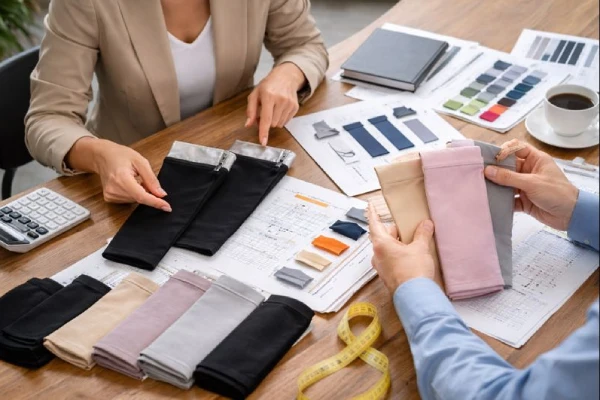
From a business view, a few points are especially important:
Product design and compression level
- Offer different compression levels: light for all-day comfort, medium for sports, and higher levels only for special uses.
- Include a wide size range so customers with fuller upper arms are not forced into sleeves that are too tight.
Fabric and construction quality
- Use skin-friendly fabrics that can handle sweat and repeated washing without losing elasticity.
- Reinforce key seams, especially around the upper cuff, to reduce the chance of tearing when the sleeve is pulled on.
Clear marketing language
- Focus wording on shaping, support, and comfort.
- Be careful with words like “fat-burning,” “weight loss,” or “medical” unless you have the data, approvals, and product design to support those claims.
Customer education content
- Articles like this one can be part of your content hub: answering real questions in depth helps build trust.
- Link such articles back to your main arm sleeves overview and to related topics, such as how to wear arm sleeves correctly or how long to wear compression garments after procedures.
In conversations with a manufacturing partner, you can use these points as a practical checklist — ask about compression levels, available fabrics, testing methods, certifications, and design support. This approach helps ensure the arm sleeves you launch match what end users truly need, instead of being driven only by short-term trends.
How should people use arm compression sleeves safely?
Even if sleeves do not burn fat, they can still be a useful tool—if used correctly. Poor sizing or overuse can create discomfort or even health problems for some users.
Choose sleeves that feel snug but not painful, follow the size chart, and avoid wearing very tight sleeves for long continuous periods. Stop using them if you feel numbness, tingling, or unusual pain.
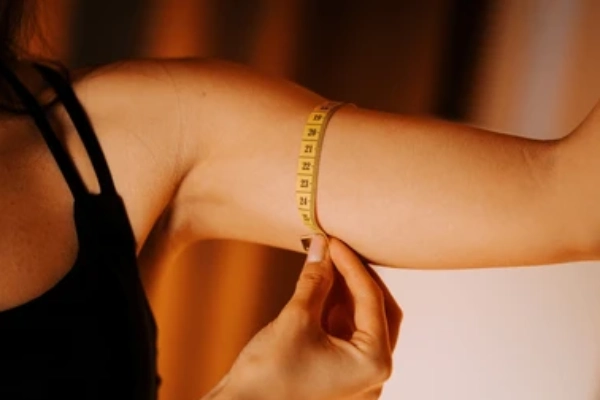
For everyday users, a simple safety checklist works well:
- Measure correctly: Use a tape around the fullest part of the upper arm and follow the brand’s chart instead of guessing.
- Check the fit: The sleeve should be firm but still comfortable. Fingers and hands should not change color or feel cold.
- Limit wear time: For normal daily use, many people wear sleeves for a few hours, then remove them to let the skin and tissues rest.
- Watch for warning signs: If there is numbness, burning, sharp pain, or strong marks that do not fade after a short time, the sleeve is likely too tight.
If the sleeve constantly feels either too tight or too loose, users will look for solutions such as stretching, shrinking, or changing size. You can direct them to a more detailed troubleshooting guide: What to Do When Arm Sleeves Are Too Tight or Too Loose
For people who have medical issues (such as circulation problems, diabetes, or recent arm surgery), the safest move is to speak with a healthcare professional before using high-compression-level products. Medical-grade garments and post-surgical sleeves have their own rules and should follow medical advice.
Conclusion
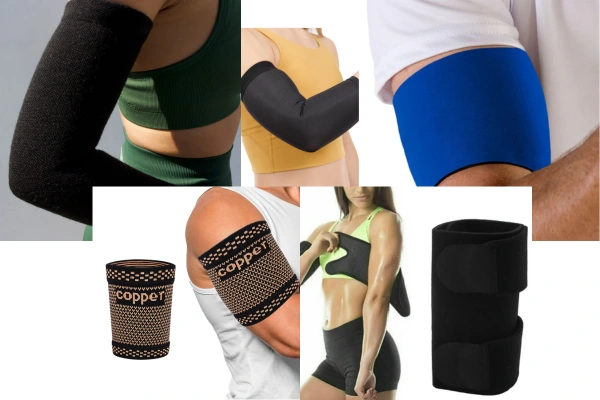
Arm compression sleeves and arm shaper sleeves can make flabby arms look smoother and feel more supported, but they do not directly burn arm fat or guarantee weight loss. They work best as part of a wider plan built on training, diet, and honest product positioning.
For brands and retailers, the real opportunity is to provide well-designed, comfortable, and clearly positioned arm sleeves that match what customers truly expect—shaping, support, and confidence—without overpromising on fat loss. If you’re exploring a new arm sleeve collection for your brand, our team can support you with OEM/ODM development, from sampling and materials selection through to stable, certification-backed production.
FAQs
Do arm compression sleeves really work for flabby arms?
Yes, arm compression sleeves can help flabby arms look smoother and feel more supported. The fabric hugs soft tissue closer to the muscle and reduces jiggle when you move. They don’t remove fat or tighten loose skin, so results are cosmetic, not permanent.
Do arm shaper sleeves burn fat?
No. Arm shaper sleeves don’t burn fat by themselves. They work like shapewear, compressing and smoothing the arm so it looks slimmer under clothing. Real fat loss still depends on a calorie deficit, regular activity, and strength training over time.
Can arm sleeves help you lose arm fat or overall weight?
Arm sleeves alone won’t make you lose arm fat or overall weight. They don’t change metabolism or target fat cells. Their role is supportive: providing warmth, comfort, and confidence so you’re more likely to exercise consistently and stick to healthy habits.
How long should I wear compression sleeves on my arms?
How long to wear arm compression sleeves depends on your goal and comfort. For workouts, many people use them only during exercise and shortly afterward. For daily support, a few hours is usually enough. If symptoms appear, remove them and reduce wear time.
What should I look for when buying arm compression sleeves?
Look for arm compression sleeves with breathable fabric, consistent but gentle compression, and accurate sizing charts. Check seam quality and top bands that don’t roll or cut in. Brands and retailers should also consider certifications, wash durability, and feedback from real end users.