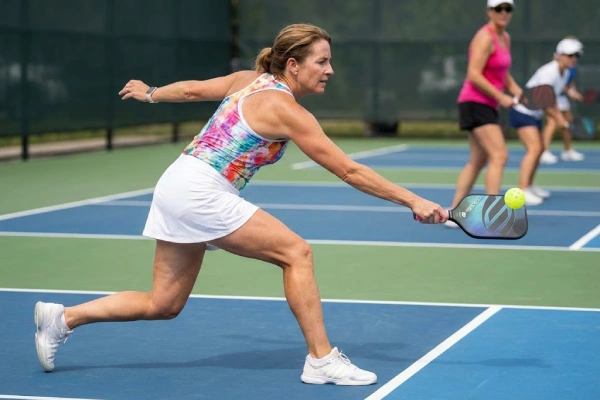
Pickleball is the fastest-growing sport in the world, loved for its exciting pace and quick reflexes. However, the high-speed movements, sudden stops, and rapid changes in direction make it a sport where injuries are all too common. Whether you’re a beginner or a seasoned player, knowing the most common injuries and how to prevent them can keep you on the court longer and in better shape.
In this article, we’ll explore the injuries that frequently occur in Pickleball, the underlying biomechanics of why they happen, and how the right support gear can reduce the risk of these injuries.
Note: This guide is for informational purposes. Please consult a healthcare professional for medical advice.
The Real Cost of Injury in Pickleball
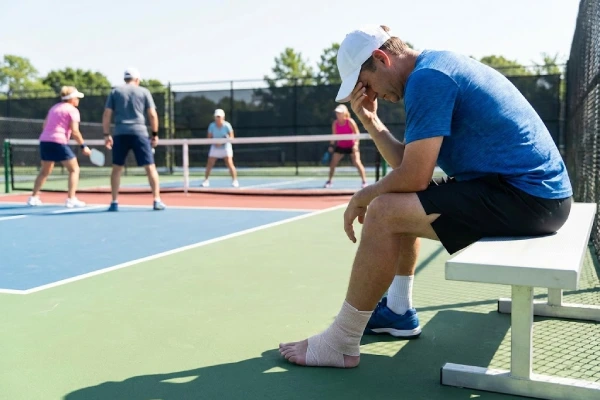
As Pickleball participation grows rapidly—over 13 million people now play regularly in the U.S.—injuries have started to follow suit. It’s not all fun and games if an injury sidelines you. From ankle sprains to elbow tendinitis, these injuries can affect both your game and your daily life.
But here’s where it gets interesting: many of these injuries are preventable. With the right equipment, you can play confidently and reduce your chances of getting hurt. The goal? Enjoy Pickleball without having to worry about the consequences of a misstep or wrong move.
Ankle Sprains: The Sneaky Culprit
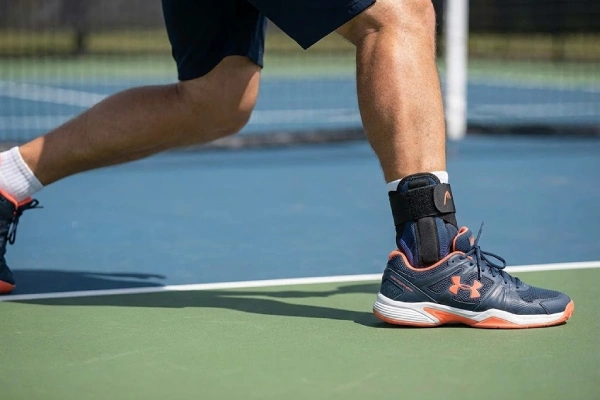
Ankle sprains are one of the most common injuries in Pickleball. The sport is all about quick side-to-side movements, pivots, and explosive starts. These movements, while essential, put your ankles at risk.
Biomechanics Insight: Pickleball involves a lot of lateral movement, which increases the risk of ankle inversion (rolling the ankle inward). Without proper support, these quick lateral movements can result in a sprain.
Prevention: The best way to protect your ankles is by wearing the right court shoes and using an ankle brace for added stability during quick stops and changes in direction.
Check out our custom ankle braces designed to stabilize your ankle during lateral movements.
Knee Injuries: The Hidden Danger of Quick Stops
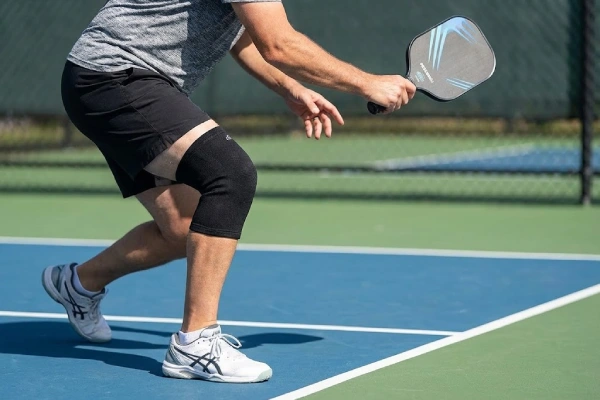
Knee injuries are particularly common in Pickleball due to sudden deceleration or sharp pivots. The quick stops and starts take a toll on your knee joints, often leading to strains, ligament injuries, or even meniscus tears.
Biomechanics Insight: The knee joint is subjected to rotational forces when you make sudden direction changes. This puts pressure on the ligaments and tendons, which are vulnerable to overstretching during high-intensity movements.
Prevention: To protect your knees, wear a knee brace or compression sleeve. These supports help stabilize the joint and reduce pressure on the ligaments, ensuring better mobility and preventing injury.
For added protection, consider our custom knee braces.
Wrist Injuries: Protect the Player’s Most Important Tool
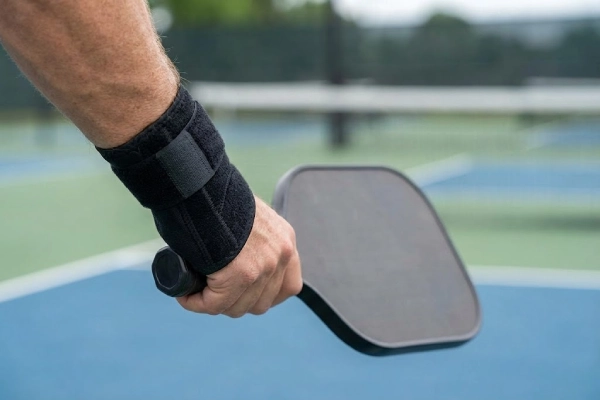
Repetitive stress on the wrist can cause injuries, especially from the shock of hitting the ball or improper grip technique. Wrist injuries often result from repetitive motions over time, leading to tendinitis or stress fractures.
Biomechanics Insight: The wrist joint absorbs the force from every swing. Repetitive motions without proper support can lead to wear and tear, eventually resulting in pain or injury.
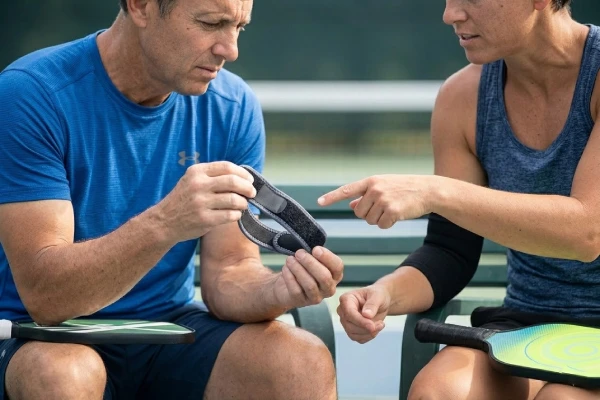
Prevention: To keep your wrist safe, a wrist brace can stabilize the joint and reduce strain during play. A wrist support ensures proper positioning, providing support while maintaining flexibility for all the wrist movements required in Pickleball.
Explore our custom wrist supports for a perfect fit.
Elbow Pain: The Silent Threat
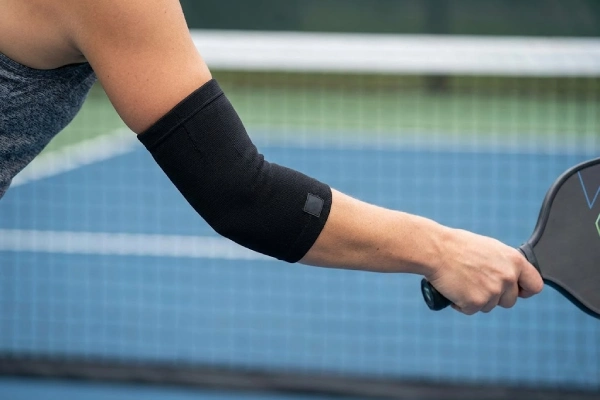
Tennis elbow (or Pickleball elbow) is a common overuse injury caused by repetitive swinging motions. The stress placed on the elbow joint can lead to inflammation and pain in the tendons.
Biomechanics Insight: The elbow joint bears a lot of strain during every shot, particularly when repetitive swinging causes tendons to become inflamed.
Prevention: A compression sleeve or elbow brace can reduce strain on the elbow, providing relief and preventing long-term damage. These supports also improve circulation, which helps with recovery.
To keep your elbow pain-free, check out our elbow braces.
| Injury | What Happens | How to Prevent | Best Gear |
|---|---|---|---|
| Ankle Sprain | Quick side-to-side movements can twist the ankle. | Wear supportive shoes and an ankle brace. | Custom Ankle Braces |
| Knee Injury | Sudden stops and pivots stress the knee. | Use a knee brace or sleeve for stability. | Custom Knee Braces |
| Wrist Injury | Repetitive swinging puts strain on the wrist. | Wear a wrist brace to reduce strain. | Custom Wrist Supports |
| Elbow Pain | Repeated swinging can cause elbow stress. | Use an elbow brace to ease pressure. | Custom Elbow Braces |
Why Support Gear is Essential: Protect Yourself to Play Better
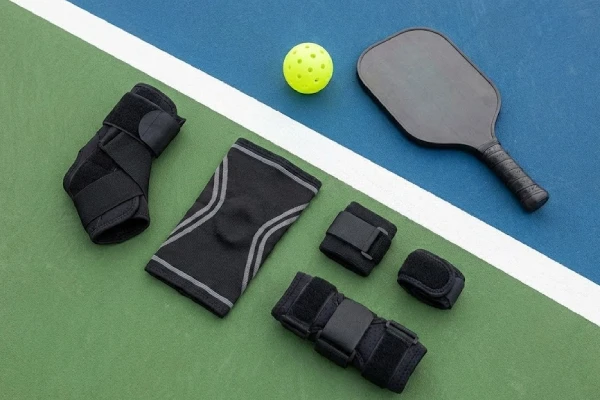
Support gear isn’t just about keeping you comfortable—it’s about reducing your injury risk and improving your overall performance on the court. The right protective equipment helps stabilize your joints, reduce the impact of movement, and improve circulation.
When it comes to ankle sprains, a well-designed ankle brace can make all the difference. By providing stability during lateral movements, it helps prevent your ankle from rolling and reduces the risk of injury. For knee support, a compression sleeve or knee brace helps keep the joint stable, reducing stress on the ligaments and preventing painful strains. Wrist supports and elbow braces serve the same purpose—preventing strain and reducing the chances of developing overuse injuries.
The right gear ensures you’re not just safe but also able to perform at your best, without the fear of injury holding you back.
Transition to Your Needs: Whether You’re a Player or a Business
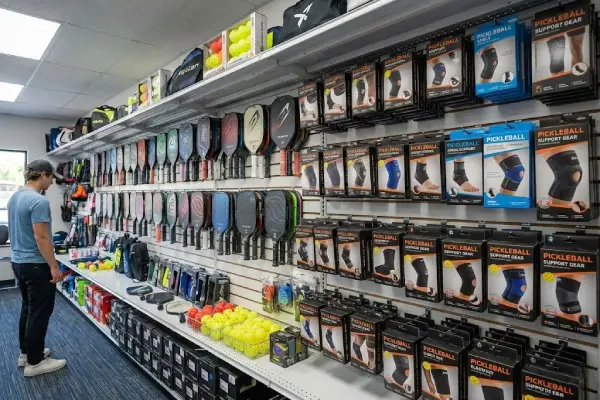
As the popularity of Pickleball grows, it’s not just individual players who are gearing up for action. Clubs, teams, and businesses are also seeking high-quality support gear for their players or customers. Whether you’re looking to stock up on gear for your Pickleball club or you’re a business wanting to offer top-notch protection to your clients, the right equipment is just as important for bulk purchases as it is for individual players.
Conclusion: Stay Safe and Keep Playing
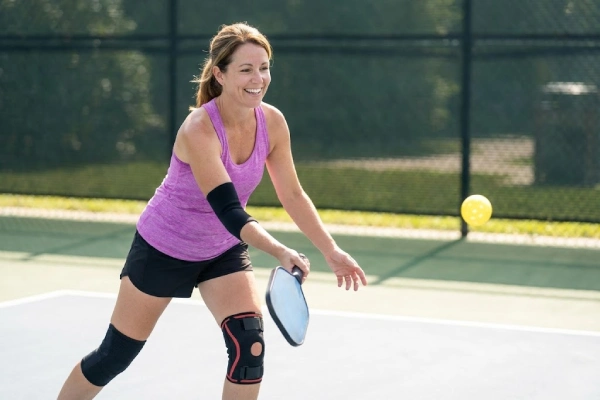
Don’t let injuries stop you from enjoying Pickleball. Investing in the right support gear is the best way to stay protected and prevent common injuries. Whether it’s an ankle sprain, knee strain, or elbow pain, having the right protective equipment ensures you can keep playing longer, safely.
Are you looking for high-quality Pickleball gear for your team or business? Contact us today for customized solutions and bulk orders that meet your specific needs. We specialize in OEM and custom-made products, ideal for clubs, organizations, and businesses.
FAQ
Most common pickleball injuries include sprains, strains, overuse tendon irritation, and ligament tears; ankle sprains and elbow tendinitis (“pickleball elbow”) are frequently reported due to repetitive movement and lateral shifts.
Overuse injuries develop when repetitive swings and poor mechanics stress tendons over time. “Pickleball elbow” often results from repeated gripping and backhand motion without adequate rest.
Seek medical care if knee pain persists despite rest, swelling remains, motion is limited, or the joint feels unstable—these symptoms can indicate meniscus or ligament damage.
Yes—fractures like wrist or ankle breaks can happen from falls or awkward landings during play, especially on hard courts as participation grows.
Yes. Gradual conditioning, dynamic warm‑ups, strength and mobility training reduce repetitive strain and help prevent overuse injuries in joints and tendons.
Persistent localized pain, swelling, weakness, or reduced range of motion—especially if worsening with play—are early signs you should stop and rest.