Bad fit causes slipping, pinching, and poor coverage. That makes knee pads harder to trust, because poorly-fitting equipment may be uncomfortable and may not offer proper protection.
Knee pads should fit snugly without cutting into your leg, sliding out of place, or limiting movement. A good fit stays stable, covers the knee area properly, and still lets you bend, kneel, walk, or train without constant adjustment.
A lot of people ask whether knee pads should feel tight. The better question is whether they feel secure in motion. That is what matters most. A pair that stays in place and feels natural during movement is usually much closer to the right fit than a pair that only feels tight while standing still.
Understanding the basic purpose of knee pads makes fit easier to judge. That is why it helps to start with what knee pads are used for.
How should knee pads fit?
A knee pad should feel close to the leg, but not harsh. If the fit is wrong, the pad may shift, twist, or distract you every time you move.
A proper knee pad fit should feel secure, stay in place, protect the part of the knee that needs coverage, and still allow natural movement. If the pad pinches, slides, or restricts bending, the fit is probably off.
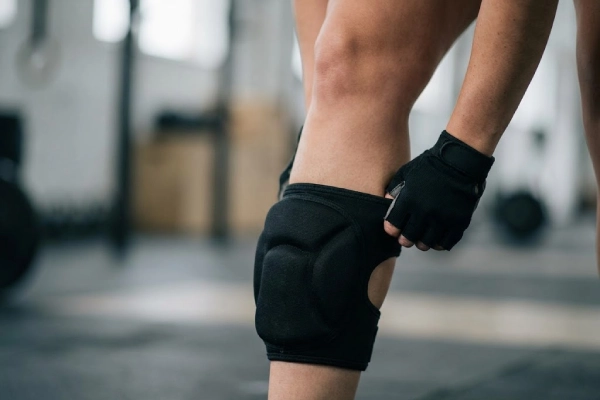
The best way to think about fit is balance. A knee pad should not feel loose and unstable, but it also should not feel like it is squeezing your leg too hard. You want a fit that feels controlled and dependable.
That balance is where many people get stuck. Some judge fit only by how tight the opening feels. Others only care about whether the material feels soft. Neither one tells the whole story. A soft pad can still move too much. A tight pad can still sit badly and feel wrong as soon as you bend your knee.
A good fit usually has four basic signs. First, the knee pad stays where it should without frequent adjusting. Second, the protective area lines up with the knee instead of drifting away from it, because padded kneepads provide cushioning as well as protection only when the protective area stays where it is supposed to work. Third, the pressure feels even instead of sharp. Fourth, you can still bend and move without feeling pulled back by the pad.
Here’s the deal… fit should be judged in motion, not only in a mirror. Many knee pads feel fine for a few seconds while you are standing. That does not mean they will feel right once you kneel, squat, or walk around.
You should expect the fit to feel noticeable at first. Knee pads are not meant to disappear completely. You will feel that they are there. But they should not bother you with every step or bend. That is the difference between a secure fit and an uncomfortable one.
Are knee pads supposed to be tight?
A knee pad should feel snug. It should not feel harsh. That difference is small in wording, but large in real use.
Knee pads are supposed to feel snug, not overly tight. A snug fit helps the pad stay stable and close to the knee. A fit that feels sharp, restrictive, or numb is too tight and usually becomes harder to wear over time.
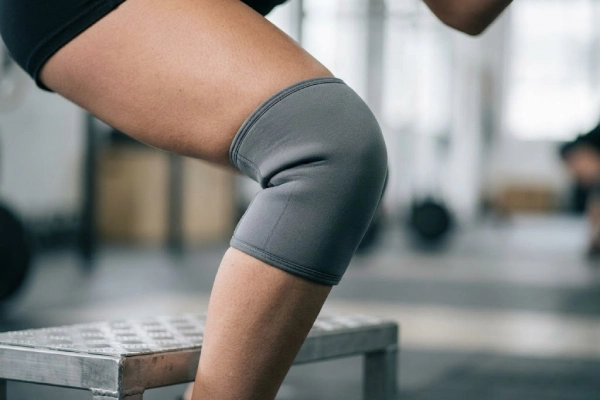
Many people use “tight” as a shortcut for “good.” That can lead to the wrong choice. Tightness alone is not the goal. Stability is the goal. A knee pad can feel tight at the opening and still move around because the body shape, sleeve tension, or pad shape is not working well together.
A snug fit means the pad sits flat, holds its position, and feels evenly supported around the leg. It does not mean the pad leaves strong pressure marks, causes tingling, or makes bending feel hard. If you feel a sharp edge digging into the back of the knee, that is not a good sign. If the lower leg starts to feel numb, that is not a good sign either.
On the other side, loose knee pads create a different set of problems. They may feel comfortable at first because they are not pressing much at all. But once you move, they start showing their weakness. They slide, rotate, bunch up, or leave the front of the knee less protected than expected.
A simple way to judge the fit is this:
- snug feels controlled
- too tight feels distracting
- too loose feels unreliable
The truth is… knee pads should support your movement, not make you think about them every few seconds. If you keep noticing pressure, pulling, twisting, or slipping, the fit needs another look.
Where should knee pads sit on the knee?
Good fit is not only about pressure. Position matters too. Even a comfortable knee pad can feel wrong if the padded area does not sit where it should.
Knee pads should sit so the protective area covers the front of the knee where contact or pressure is most likely to happen. If the pad sits too high, too low, or off center, the fit may feel unstable even when the size seems close.
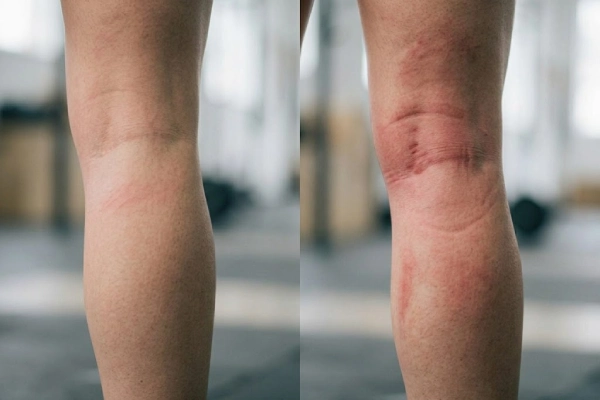
The main padded zone should line up with the area you want protected, because padded kneepads provide cushioning as well as protection only when the padded area stays over the right contact zone. In most cases, that means the front of the knee should stay covered during bending, kneeling, and normal movement. If the pad shifts away from that area, the fit is no longer doing its job well.
This is where people sometimes mistake a placement problem for a size problem. A knee pad may not actually be the wrong size. It may simply be sitting too high or too low when first worn. That small mismatch can change how the pad feels during movement and can make a decent fit feel worse than it is.
The sleeve or body should also sit flat against the leg. If the edges roll badly, the sides bunch up, or the shape feels uneven from one side to the other, the fit often becomes less stable. A flat and balanced hold usually feels better and performs better.
What matters most is whether the protection stays where you need it during real use. If the pad drifts, rotates, or leaves the front of the knee partly exposed during movement, the position is affecting the fit.
Here’s what most people miss… a knee pad can feel soft and comfortable while standing still but still fail once movement starts. That is why you should care about both coverage and stability, not just how gentle the fabric feels at first touch.
If your main concern is broader knee support rather than front-knee impact protection, it also helps to compare knee support gear such as sleeves, braces, and pads before deciding what kind of product makes sense.
How can you tell if knee pads fit correctly during movement?
Standing still only gives you part of the answer. Knee pads are worn for movement, contact, and pressure. That means the real fit test happens after you start moving.
You can tell knee pads fit correctly during movement if they stay centered, keep the knee covered, and allow bending or kneeling without pinching, twisting, or constant adjustment. Movement reveals fit problems much faster than a quick standing test.
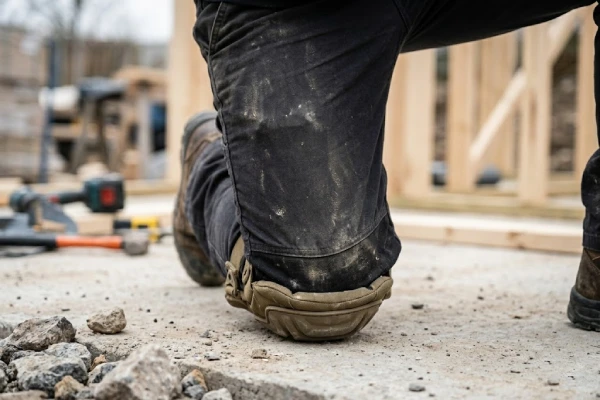
Start with bending. Try a few simple knee bends. Then squat if that matches how you expect to use the pad. Pay attention to how the edges feel. Do they dig in behind the knee? Does the front stay centered? Does the whole pad feel stable, or does it start sliding down as soon as you move?
Then test kneeling if kneeling is part of the job or activity. Some knee pads feel fine when you walk around but become uncomfortable once pressure goes through the front of the knee. That often tells you the shape, padding placement, or overall hold is not working as well as it should.
Short walking also helps. A pair that seems acceptable while standing may start twisting or rotating after only a few steps. If you need to pull it back into place right away, the fit is probably too loose, poorly shaped, or both.
This movement check matters because knee pad performance depends on how it behaves under real conditions. Static fit can hide problems. Dynamic fit usually exposes them. That is also why poorly-fitting equipment may be uncomfortable and may not offer proper protection once real activity starts.
You should also notice whether the fit changes fast. A good pair should feel steady from the start and remain steady through short movement. If the fit breaks down quickly, that is useful information. It usually means the pair will become even more annoying in longer use.
So what does this mean for you? Do not stop at “it feels okay.” Ask whether it still feels okay once you bend, kneel, and move. That is the test that tells you whether the fit is actually usable.
If your main problem is slipping, why support sleeves slide down and what usually causes that can help you think more clearly about hold, movement, and fit.
Why do knee pads feel uncomfortable even when the size seems right?
Correct size does not always guarantee good comfort. Fit depends on more than one number. Shape, structure, and movement all affect how the pad feels.
Knee pads can feel uncomfortable even when the size seems right because fit is influenced by leg shape, pad design, sleeve tension, and padding thickness. A pair can match the size chart and still feel awkward during bending or kneeling.

This surprises a lot of people. They choose the size that seems correct, put the pad on, and still feel pulling, bulk, awkward pressure, or poor stability. That does not always mean they measured badly. It often means the pad design and the body are not matching well.
Leg shape is one reason. Two people can wear the same listed size and still get different results. One person may feel balanced support. Another may feel pressure at the opening, loose fabric around the knee, or bunching during movement. The reason is simple: knees and lower limbs are not shaped the same.
Construction also changes comfort. Some knee pads apply firmer hold at the openings. Others spread the tension more evenly. Some feel slim and close to the body. Others feel thicker and more noticeable. A thicker pad may feel more protected in front, but it may also make bending feel bulkier. A thinner pad may feel freer, but it can create a different pressure pattern around the leg.
Use matters too. A pair that feels fine for light walking may feel much less comfortable during repeated kneeling or more active movement. That is why the same knee pad can feel good in one situation and annoying in another.
The key point is this: comfort is not only about size. It is about how the full design behaves on your leg when you move. If the fit seems close but still feels wrong, the issue may be the style or structure rather than the label size alone.
If you are comparing sleeve-style support at the same time, it may help to review how knee sleeve sizing usually works and how a knee sleeve should be worn correctly. Those pages focus on a different category, but they can still help you think more clearly about fit and movement.
What are the most common knee pad fit mistakes?
Most fit problems come from a few repeated mistakes. Once you know them, it becomes easier to judge a pair more clearly.
The most common knee pad fit mistakes are choosing by tightness alone, checking fit only while standing, ignoring movement, and keeping a stretched or unstable pair too long. Good fit depends on function, not just first impression.
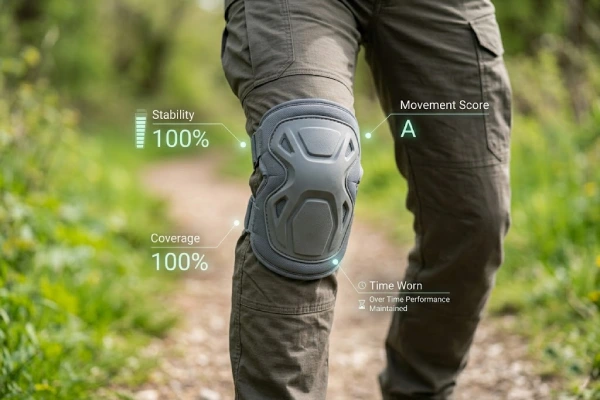
One common mistake is assuming tighter always means better. It does not. A very tight feel may seem secure at first, but it can quickly turn into discomfort, pulling, or limited movement. A good fit should feel stable, not punishing.
Another mistake is judging fit too quickly. A ten-second try-on is not enough. You need to bend, move, and, if relevant, kneel. That is the only way to see whether the pad stays centered and comfortable.
A third mistake is expecting all knee pads to feel the same. They do not. Some are built to feel softer and lighter. Others feel firmer or more structured. A different feel does not always mean a wrong fit. What matters is whether the knee stays covered and the pad stays stable without making movement feel awkward.
A fourth mistake is continuing to use a pair that has already lost hold. Over time, some knee pads stop feeling as steady as they once did. They may start slipping more often or twisting faster during activity. That changes the fit, even if the original size once worked.
The bottom line? A good fit is not about one detail. It is about how the whole pad behaves on your leg over real movement. If the pair keeps shifting, pinching, or distracting you, that is the clearest sign the fit is no longer right.
For readers who are also weighing other forms of knee support, what a knee sleeve does, when to wear a knee compression sleeve, and knee strap vs knee brace vs knee sleeve can help clarify the differences.
Conclusion
A good knee pad fit feels secure, stays in place, covers the right area, and still lets you move naturally. If it pinches, slips, or twists, the fit needs work.
If you are sourcing this category for a support gear line, it helps to review a dedicated knee pad manufacturer page and a broader OEM/ODM sports support manufacturing guide. If you want to discuss a custom project directly, you can also contact the team here.
FAQ
Light marks can happen after wear, especially with a snug fit. Deep marks that last, hurt, or come with numbness usually mean the fit is too tight.
They should feel snug when new, not harsh. A new pair may feel firm at first, but it should not pinch, restrict bending, or feel uncomfortable quickly.
Loose knee pads often slide, twist, bunch up, or move away from the front of the knee. If you keep adjusting them, the fit is probably too loose.
Standing only shows static fit. Movement reveals whether the pad pinches, shifts, rotates, or loses coverage. That is why motion testing matters more than a quick try-on.
They should cover the part of the knee that needs contact protection. Full coverage is not always the goal. Stable coverage in the right place matters more.
Yes. A correct size can still feel wrong if the shape, structure, or padding style does not match your leg well or your movement needs.
A pad may seem close in size but still slip because of shape mismatch, weak hold, worn stretch, or uneven tension. Good fit needs stability in motion.
They should feel secure and controlled during bending, not sharp or restrictive. If the back of the knee pinches hard, the fit is usually too tight or awkward.