Bad placement can make knee pads slide, pinch, or miss the area they should protect. If they sit wrong, they can feel distracted fast. Wearing them correctly helps them stay in place and feel more natural.
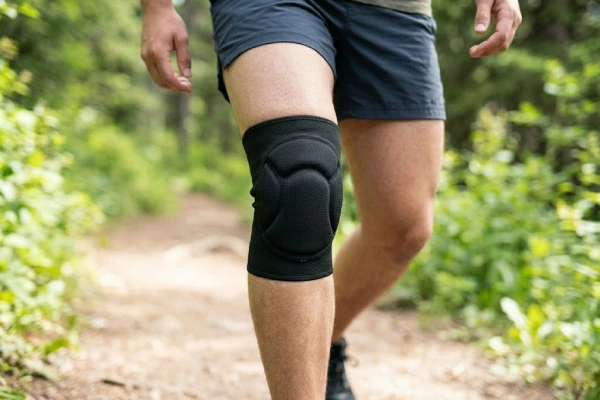
To wear knee pads correctly, place the padded area over the front of your knee, keep the fabric smooth, and make sure the pad stays stable when you bend, kneel, walk, or train. A good position should feel secure without twisting, bunching, or digging into your leg.
A lot of people focus on tightness first. That matters, but placement matters just as much. If you want a broader view of pad types, fit, care, and buying points, it helps to start with this complete guide to knee pads.
Which way should knee pads go?
Knee pads should usually sit with the padded section centered over the front of the knee. The sleeve should lie flat, and the seams should stay straight instead of twisting around the leg.
The right direction is usually easy to spot: the padding covers the front of the knee, the sleeve lies flat, and the pad stays centered instead of turning to one side. If the fabric twists or the padding sits off-center, the pad is not positioned correctly.
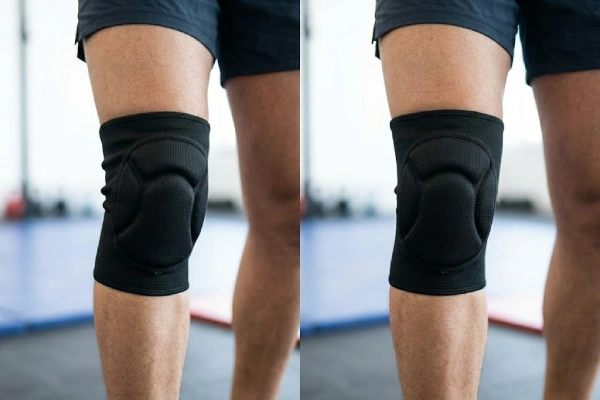
A lot of wearing problems start with simple misalignment. Some people pull the pad on too fast and leave the sleeve twisted. Others line up the fabric but miss the center of the knee. When that happens, even a decent pad can feel awkward.
Start with a visual check. The main padded area should sit over the front of the knee, not leaning inward or outward. The edges should look even, and the side seams should run straight. If the sleeve spirals around your leg, it will usually rub more and feel less stable.
This first check matters because direction affects comfort from the start. A pad that sits straight usually feels smoother. A twisted one often creates extra folds, uneven pressure, and faster irritation. That is why proper wearing starts with alignment before anything else.
How should you put knee pads on step by step?
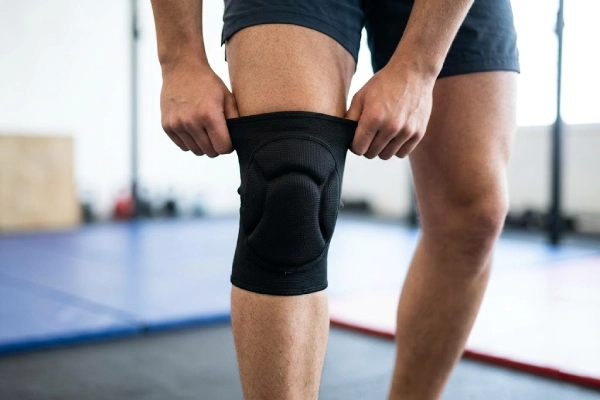
The best way to put on knee pads is slowly and evenly. Pull them into place with control, center the padding, smooth the fabric, and then check how they feel in motion.
A simple method works best: start with the sleeve straight, pull it up gradually, center the padding over the knee, smooth the fabric, and then test the position while bending. Quick pulling and rough adjustment often lead to twisting and poor placement.
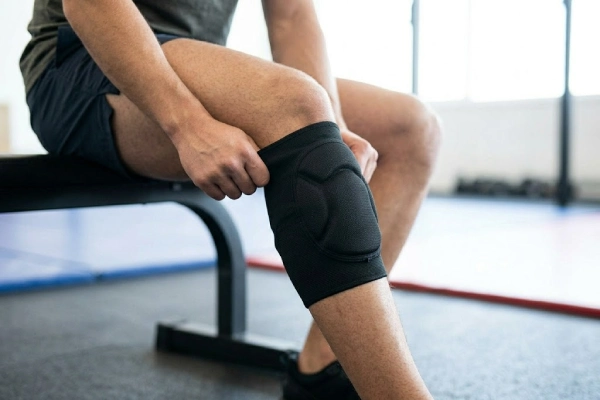
Start by checking that the sleeve is not turned or twisted before you put it on. If the fabric is already off, the pad will usually stay off after you pull it up.
Next, slide the pad on gradually instead of yanking it upward in one hard pull. Pulling too fast can overstretch one side and leave the other side bunched. That often leads to a crooked fit around the knee.
Once the pad reaches the knee area, center the padded zone over the front of the joint. Then smooth the fabric above and below the knee. Small wrinkles may not seem serious at first, but they can become annoying after longer wear.
Now test the position in motion. Bend your knee a few times. Walk a little. Kneel if that matches how you plan to use the pad. Here’s what most people miss… a knee pad can look fine while you are standing still and still shift once your leg starts working.
If the pad keeps feeling awkward after you put it on carefully, the problem may not be the wearing method alone. It may help to compare that feeling with a fuller guide on how knee pads should fit.
Where should knee pads sit on your knee?
Knee pads should sit over the main front contact area of the knee. They should not ride too high above the joint or drop so low that the knee moves outside the protected zone.
A knee pad should sit where contact or pressure is most likely to happen. In most cases, that means the padded area stays centered over the front of the knee and keeps covering the right zone when you bend, kneel, or move forward.
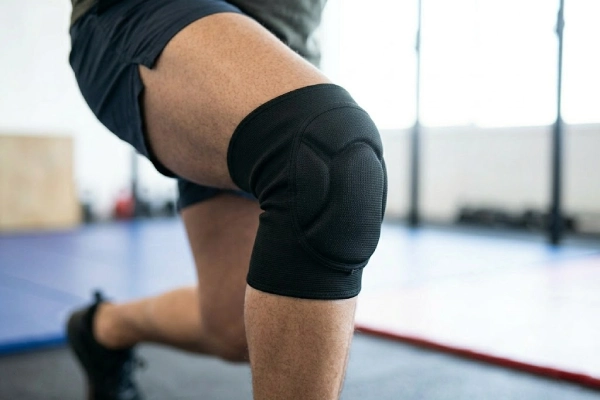
A lot of people confuse tightness with position. They are not the same thing. A pad can feel snug and still sit too low. It can also feel secure while sitting too high and missing the area that needs coverage most.
When the pad sits too low, the knee may rise above the padded section once you bend. When it sits too high, the main contact area may no longer line up with the center of the protection. In both cases, the product may feel wrong even if the size is not the main problem.
A quick self-check helps. Bend your knee and look at where the padding sits. If you kneel while using knee pads, test that too. The key question is simple: does the protection still cover the front contact zone once the knee is moving?
Position also makes more sense when you understand what knee pads are used for. If the pad no longer covers the area that takes contact or pressure, it cannot work as well as it should.
What are the most common mistakes when wearing knee pads?
The most common mistakes are rushing the fit, leaving bunching around the joint, using the wrong size, and skipping a movement check before real use.
Most wearing problems come from a few simple mistakes: rough placement, uneven fabric, poor sizing, worn-out material, and failing to test the pad in motion. These issues can lead to sliding, pinching, pressure points, or weak coverage.
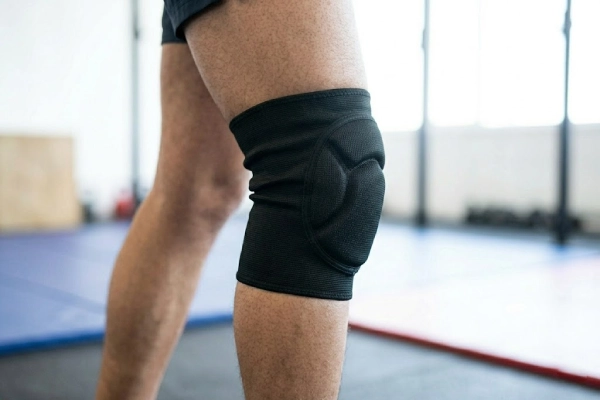
One common mistake is pulling the pad on too fast and assuming it is fine without checking the final position. That often leaves the sleeve uneven or the padded area slightly off target.
Another mistake is ignoring bunching around the knee. The fabric does not need to be perfectly flat everywhere, but harsh folds and pressure points usually mean the pad needs adjustment. If that is ignored, the pad may become distracting much faster.
Wrong size is another common problem. Some people blame the product when the real issue is that the pad is too loose to stay stable or too tight to sit naturally. That is often when the next question becomes what size knee pads you need.
Material condition also matters. Older pads can lose shape and recovery over time. When that happens, they may slide more easily or feel less balanced than they did before.
And then there is the movement check. A pad may seem acceptable while standing still but fail once you start walking, kneeling, or training. The bottom line? if you do not test the pad in motion, you still do not know whether it is really sitting right.
If movement is the main problem after wearing, the next useful question is often how to keep knee pads from sliding down.
Should knee pads feel tight when you wear them?
Knee pads should feel secure and stable in motion. They should not feel harsh, sharply restrictive, or distracting after a short time.
Knee pads should feel firm enough to stay in place, but not so tight that they pinch, dig in, or make movement feel unnatural. A secure feel is normal. Strong pressure, edge rolling, and fast discomfort usually mean something needs to be checked.
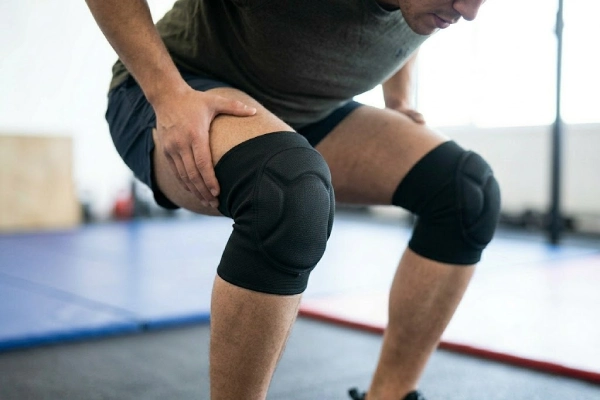
A little snugness is common, especially with close-fitting designs. That does not automatically mean the pad is too tight. What matters more is what happens after a few minutes of bending, walking, or kneeling.
If the pad stays in place and feels stable without becoming distracting, that is usually a good sign. If it quickly leaves strong marks, creates sharp pressure points, or feels harsh during normal movement, the fit or position may need another look.
Tightness is not always a sizing issue by itself. Sometimes a pad only feels too tight because it is twisted, sitting too high, or bunching in the wrong place. That is why wearing and fit should stay connected, even though they are not the same topic.
If your main concern is whether the pad feels too snug or not stable enough, it also helps to compare knee pads with other support options like knee sleeves, braces, and pads. Different products are built for different needs.
Conclusion
Wearing knee pads correctly starts with position, not force. If the pad sits in the right place and stays stable in motion, it usually works much better.
FAQ
The padded area should usually sit over the front of the knee. The sleeve should lie flat, stay centered, and not twist when you bend or move.
They should feel secure, not harsh. Mild snugness is normal, but sharp pressure, rolling edges, and fast discomfort usually mean the fit or placement needs work.
Sliding often comes from poor placement, wrong size, stretched-out material, or movement starting before the pad is properly centered and checked.
They should cover the main front contact area of the knee. The exact shape can vary, but the protection should stay over the right zone during movement.
Some can be worn over close-fitting layers, but loose fabric often makes twisting and sliding worse. A stable fit usually depends on smoother contact with the leg.
They often rotate, drift down, gap away from the leg, or move off the knee during normal bending and walking. That usually means the fit is not stable enough.
Yes. Repeated wear, sweat, washing, and material fatigue can reduce recovery and grip, which may make the pad feel less stable than before.