Pickleball is rapidly becoming one of the most popular sports worldwide, thanks to its fast pace and exciting gameplay. But with these dynamic movements, the risk of joint and muscle injuries can be high. To ensure a safe and enjoyable experience, it’s important to understand the various types of support gear available.
In this comprehensive guide, we’ll walk you through the importance of injury prevention in Pickleball, common injuries, and how to choose the right support gear to protect your body. Additionally, we’ll guide you on how to select the right gear based on your level of play and offer solutions for businesses looking for OEM/ODM custom designs.
Why You Need Injury Prevention Gear in Pickleball
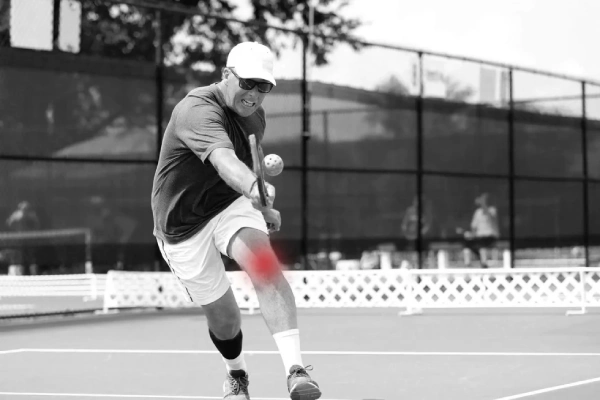
Pickleball may be known for being easy on the joints compared to more high-impact sports, but its fast pace and sudden movements can lead to serious injuries if players don’t take the right precautions. Without the right support gear, players can easily injure their ankles, wrists, knees, or elbows—leading to long-term discomfort or more severe injuries.
The Importance of Joint Protection
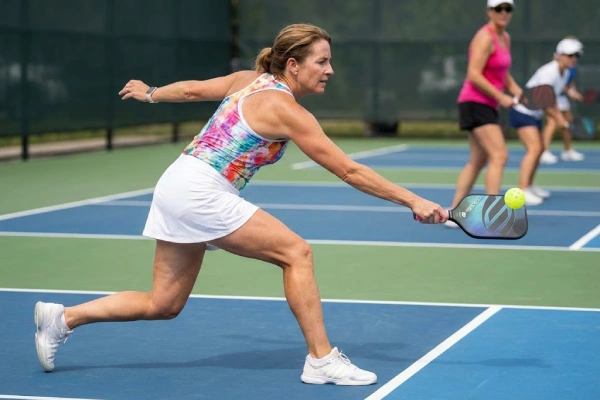
When playing Pickleball, players often make rapid lateral movements, sudden stops, or explosive starts, which can cause unnecessary strain on joints like the knees, wrists, and elbows. Support gear helps by absorbing some of that impact and providing additional stability. Knee sleeves, wrist supports, and ankle braces are crucial tools in reducing these risks.
For more detailed injury prevention techniques, check out our Complete Guide on Knee Sleeve Benefits and Why Athletes Wear Arm Sleeves.
Common Pickleball Injuries and How to Prevent Them
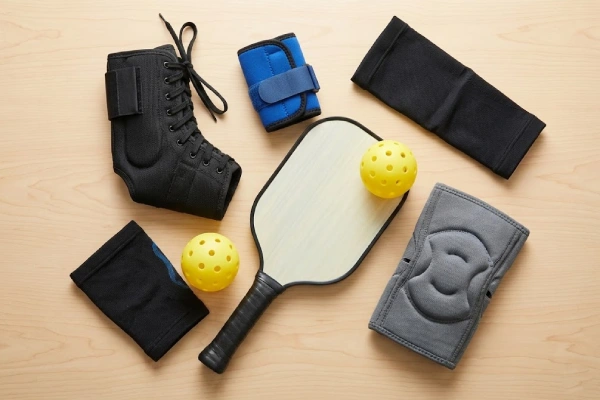
The following sections break down the most common injuries in Pickleball and highlight how to prevent them with the right gear. Both overuse and therepetitive nature of movements in Pickleball can cause these injuries. Let’s take a closer look:
1. Ankle Sprains
Ankle sprains are common due to the sudden lateral movements and sharp turns required in Pickleball.
Prevention: Ankle braces provide support to prevent twisting or rolling during quick movements. If you frequently experience ankle pain, a custom-fit ankle sleeve or brace is highly recommended.
For more details, read our Pickleball Ankle Support: Lateral Stability and Slip Control cluster page.
2. Wrist Strains
Wrist injuries, such as strains or overuse injuries, often occur from repetitive hits and wrist snaps during play.
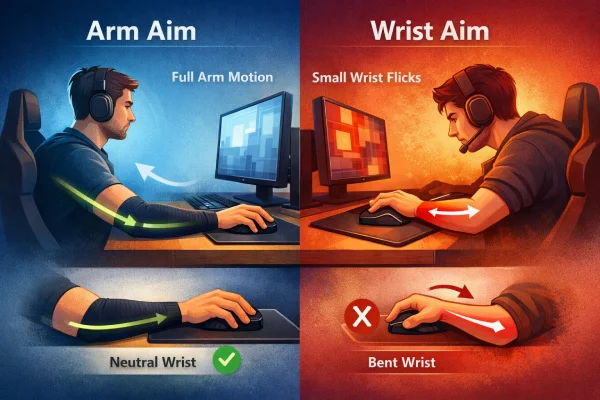
Prevention: Wrist supports, such as compression sleeves or wrist braces, are essential to reduce strain and stabilize the joint, ensuring comfort during extended play.
Learn more about wrist support on our Pickleball Wrist Support Guide.
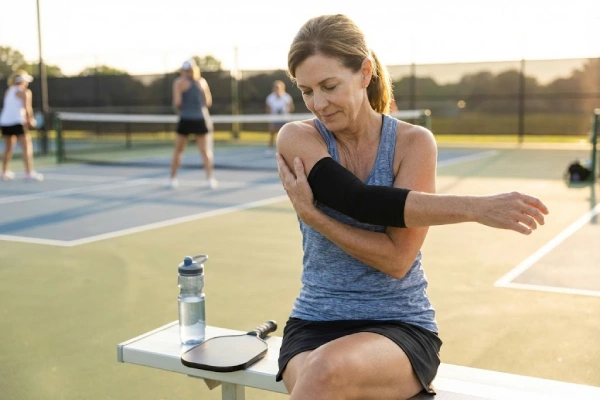
3. Elbow Stress (Tennis Elbow)
Tennis elbow, or lateral epicondylitis, can occur from repetitive swinging and wrist motion, causing inflammation of the tendons in the elbow.
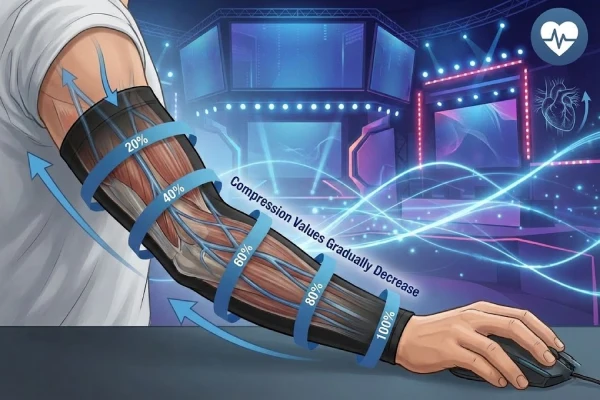
Prevention: A compression elbow sleeve helps reduce tension on the tendons, while a supportive elbow brace can stabilize the elbow during high-impact movements.
Explore our Pickleball Elbow Support: Tendon Strain and Control for more info.
4. Knee Injuries
Knee injuries are prevalent in Pickleball due to the sudden stops and sharp turns that place significant stress on the knee joint.
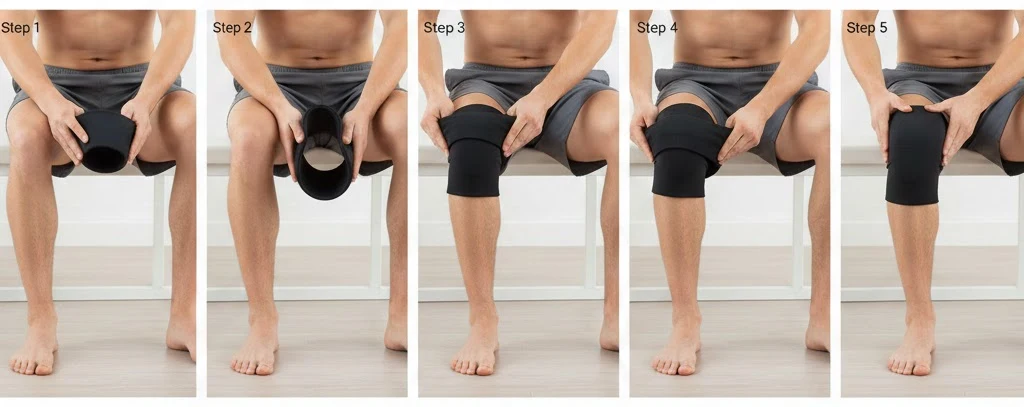
Prevention: Knee sleeves offer compression and warmth to protect the knee, while knee braces provide added stability during high-impact movements.
For a deeper dive into knee protection, visit our Pickleball Knee Support Guide.
Why Protective Gear is Essential for Injury Prevention
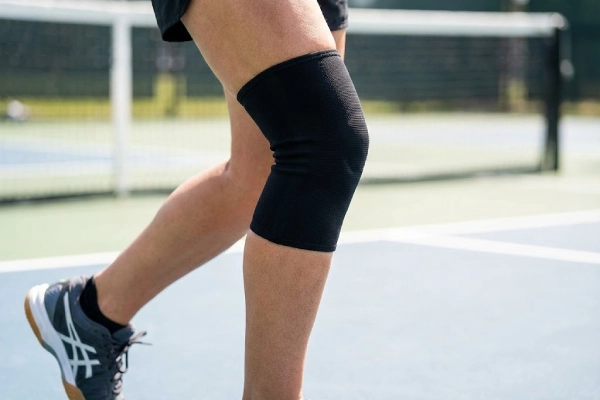
Protecting Your Joints
Pickleball’s fast pace and constant direction changes can strain your joints. By wearing the right protective gear, such as knee braces, wrist supports, and ankle braces, you can avoid common injuries like sprains and strains, while also promoting long-term joint health.
Preventing Overuse Injuries
Repetitive motions, especially from frequent swings, can lead to overuse injuries in the wrist, elbow, and shoulder. Compression sleeves and elbow braces provide support to reduce the risk of these injuries, ensuring you can play without discomfort.
Choosing the Right Protective Gear for Your Level of Play
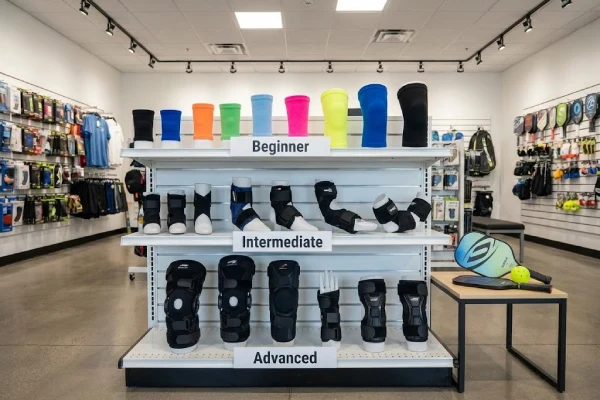
Choosing protective gear depends on your experience level and the intensity of your play. Here’s a breakdown to help you choose:
For Beginners:
As a beginner, your primary goal should be to prevent common injuries like wrist sprains, knee strains, and ankle injuries. Choose compression sleeves and basic ankle supports that provide comfort and protection while you’re still learning the sport.
For additional beginner protection, check out our Beginner’s Guide to Pickleball Gear.
For Intermediate Players:
Once you’re comfortable with the game, you’ll likely play more often and with higher intensity. At this level, it’s important to use more specialized gear, like elbow braces, knee braces, and ankle sleeves that provide additional stability during more aggressive movements.
Find more advanced gear recommendations in our Intermediate Player’s Gear Selection.
For Advanced Players:
For advanced or competitive players, high-performance gear is essential to reduce the risk of injury. Professional-grade knee braces, elbow supports, and wrist braces are crucial for players who engage in intense, prolonged matches or practice sessions.
For professional-grade gear, visit our Advanced Player’s Guide to Pickleball Equipment.
Why Choose OEM/ODM Custom Gear for Your Business?
As a business, offering custom sports gear to your customers can set you apart from the competition. Whether you’re selling Pickleball support gear or providing custom solutions for athletic brands, OEM/ODM customization offers numerous advantages:
- Tailored designs to meet specific customer needs
- Branding opportunities with personalized logos and colors
- High-quality manufacturing to ensure durability and performance
For businesses looking to offer premium, customized support gear, we specialize in OEM/ODM sports support manufacturing. Learn more about how we can help you provide top-quality, custom products by visiting our OEM/ODM Custom Sports Support Manufacturing Page.
Conclusion
Pickleball is an exciting sport that’s easy on the joints, but without the right injury prevention gear, the risk of injury increases. By selecting the appropriate support gear based on your level of play, you can minimize these risks and enjoy the game for years to come.
Remember, protecting your body with knee sleeves, wrist supports, and ankle braces is key to playing safely and effectively. For tailored solutions and custom designs to meet your business needs, explore our OEM/ODM Custom Sports Support Manufacturing Guide. Whether you’re looking to provide personalized gear for your customers or build your own product line, we offer expert support to help you succeed in the sports equipment market.
FAQ: Pickleball Support & Injury Prevention
What’s the biggest cause of Pickleball injuries, and how can I reduce them?
Most injuries stem from acute directional changes and overuse, especially without proper warm‑ups and conditioning. A dynamic warm‑up, gradual training progression, and regular strength/balance work help your body adapt to the sport’s sudden movements.
How important is footwear for preventing ankle and knee injuries in Pickleball?
Very. Proper court‑style shoes with lateral support and non‑slip soles significantly reduce ankle rolls and knee stress by stabilizing side‑to‑side movements that running shoes aren’t designed for.
Can Pickleball cause injuries even if it seems low-impact?
Yes—despite its “low‑impact” image, quick lunges, pivots, and rallies can lead to ankle sprains, tendonitis, or shoulder stress without proper conditioning and injury prevention measures.
What’s “Pickleball elbow” and how can I prevent it?
“Pickleball elbow” is an overuse tendon irritation (similar to tennis elbow). Prevention includes proper grip technique, varied shots, forearm strengthening, and supportive gear to reduce repetitive stress.
Should I use support gear if I’ve never been injured?
Support gear like compression sleeves or braces can still help reduce microstrain and joint fatigue, especially during technical, fast movements or longer sessions, even without previous injuries.
How do I tell the difference between soreness and a real injury?
Soreness from play usually eases with rest and light movement. Persistent pain, swelling, sharp localized pain, or limited motion may indicate an injury and warrant evaluation by a clinician.
What’s the role of strength training in preventing Pickleball injuries?
Strength training improves muscle support around joints, enhances balance, and reduces load on vulnerable areas like ankles, knees, and shoulders—key for injury prevention and performance longevity.