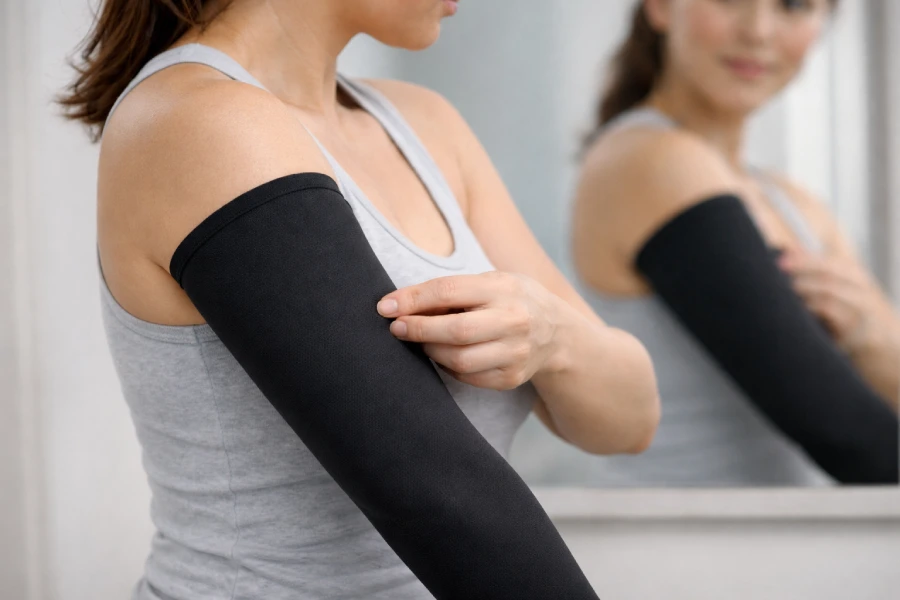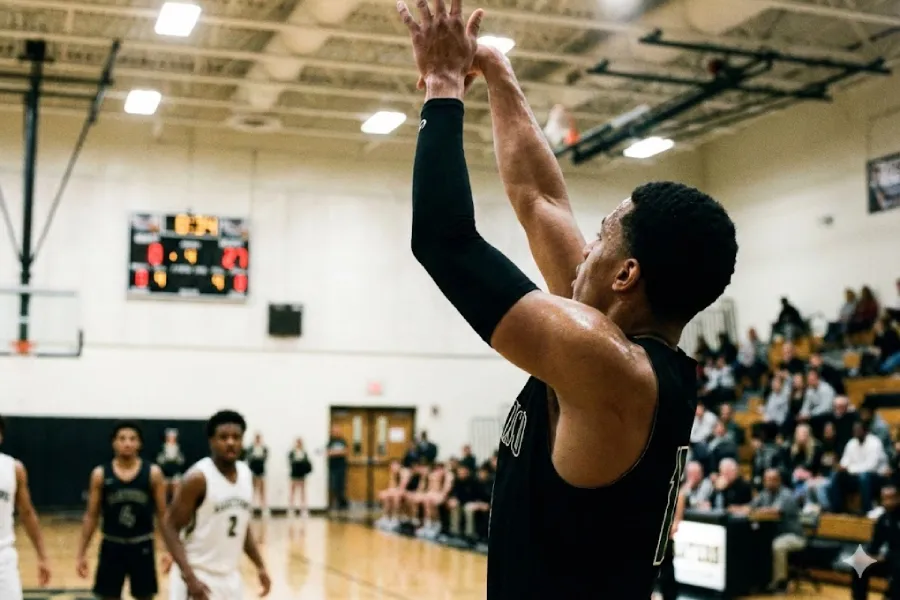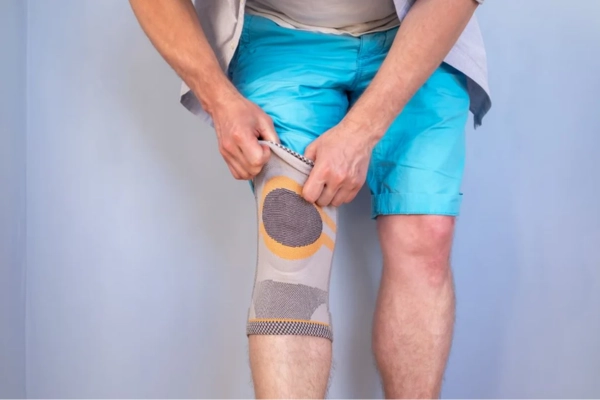
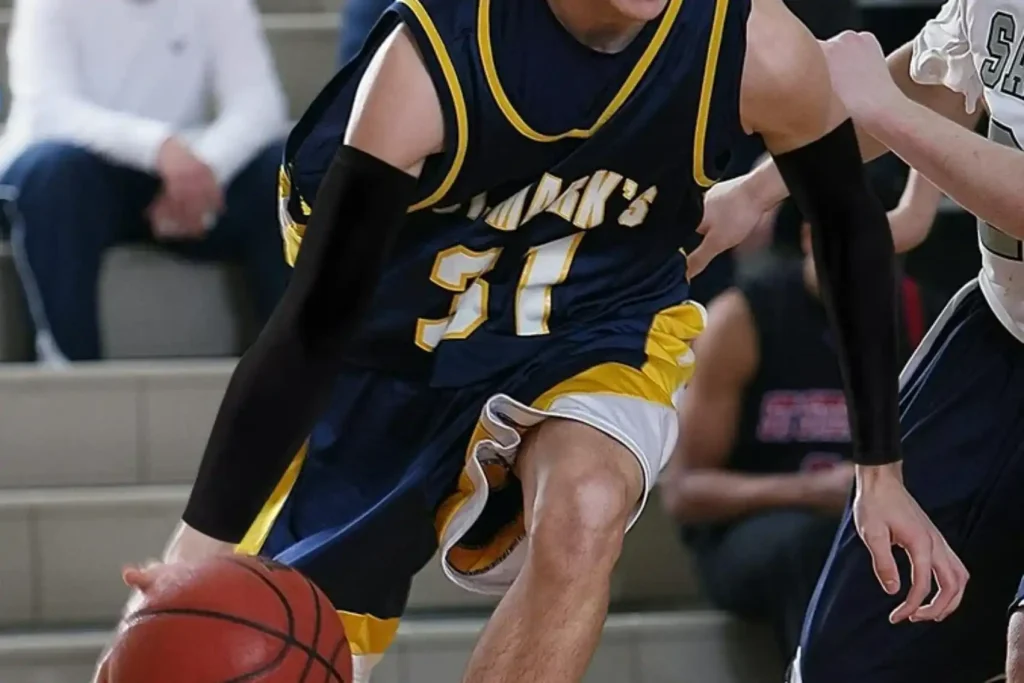
We cannot talk about basketball sleeves without mentioning Allen Iverson. He popularized the look in the early 2000s. Since then, it has become part of basketball culture. For many young players, putting on the sleeve is part of the pre-game ritual. It is like tying your shoes tight. It signals to your brain that it is time to compete. But you might think they are just a fashion statement. The real reason players wear them goes far beyond just looking cool.
Basketball players wear arm sleeves to improve blood circulation through compression, protect skin from court burns, and manage sweat. They also keep shooting arms warm to prevent muscle tightness and offer a psychological boost for confidence during games.
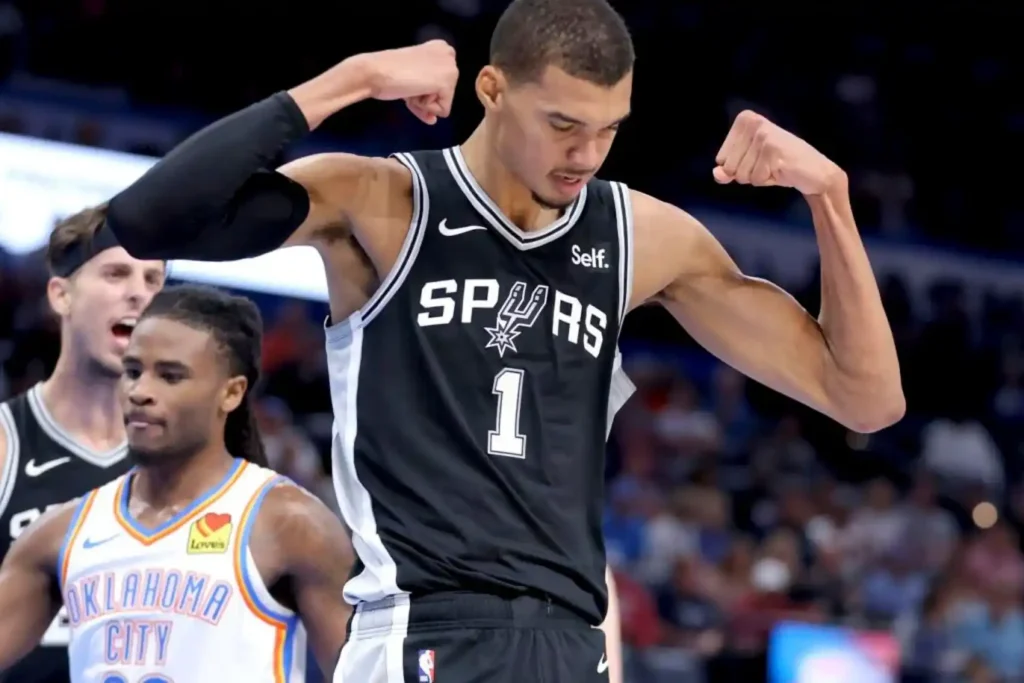
Here’s the deal… most players don’t fail because sleeves “don’t work.” They fail because the sleeve is the wrong fit, the wrong fabric, or not rule-safe for their league.
What are arm sleeves for in basketball?
You’re running, stopping, jumping, and taking contact. Your arms go from warm to cold to sweaty in minutes. If your forearm feels slick or your shooting arm feels “off,” you start thinking about your gear instead of the rim.
Arm sleeves in basketball are used to keep the arm warm, manage sweat on the forearm, add light compression comfort, and reduce skin scrapes from contact and court burns. They’re a comfort-and-control tool, not a shortcut to a skill.
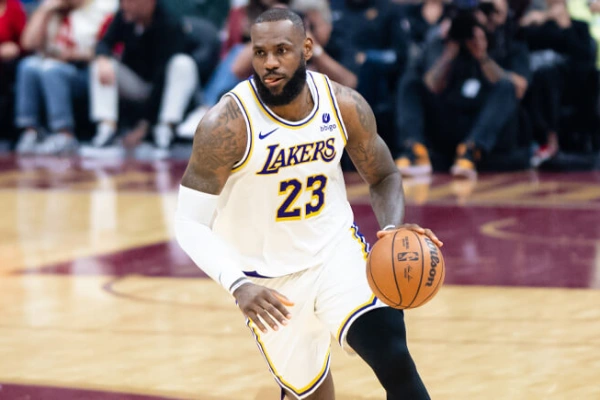
A sleeve helps most in these moments:
- Cold gyms or outdoor runs: Your shooting arm can feel stiff when you stop-and-go. A sleeve can help it feel “ready” more often.
- Sweaty sessions: Many players like sleeves because they absorb sweat on the forearm, so less sweat reaches the hand area.
- Repeated contact: Box-outs, reaches, and hand-fighting can scrape skin, especially in outdoor games.
- Routine and feel: Some players simply like the same sensation on the shooting arm from warmup to the last free throw.
The truth is… a sleeve can feel great when it works. But if it slips or rolls, it becomes the problem. For more on general athletic benefits, check out our guide on why athletes wear arm sleeves.
What do arm sleeves do in basketball shooting?
You want one thing: a clean, confident release. But sweat, temperature swings, and constant elbow movement can make your arm feel different from play to play. That’s why players ask about “shooting sleeves” and whether they really help.
For shooting, an arm sleeve helps most by keeping your forearm drier, keeping your arm warmer, and giving a consistent feel during your motion. Research on compression gear shows benefits are often small and mixed, so don’t expect a guaranteed shooting boost.
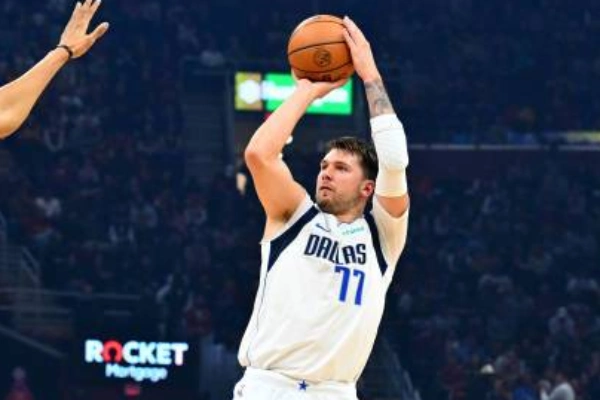
Here’s what most people miss… “helping shooting” usually means removing distractions, not adding power. If you are dealing with joint issues, you might also want to read about do arm sleeves help elbow pain.
Sweat control: less slippery forearm feel
Players often complain that sweat changes how the ball feels on gathers and follow-through. Sleeves can absorb sweat on the forearm, so you feel cleaner through repeated reps.
Warmth: smoother feel in stop-and-go games
Basketball isn’t steady cardio. You sprint, stop, stand, then shoot. Keeping the arm warmer can make the motion feel more consistent.
Compression: comfort and body awareness (but not magic)
Compression garments can change comfort, temperature, and soreness perception. Some reviews report clearer recovery/comfort effects than direct performance effects.
So what does this mean for you? If you want a sleeve for shooting, pick one that stays up, feels smooth at the elbow crease, and doesn’t make your hand feel numb.
What is the purpose of arm sleeves in basketball defense and contact?
If you play hard defense, you know how much arm contact happens. Reaches, bumps, and floor dives add up. On outdoor courts, the surface can punish your skin fast.
For defense and contact, the purpose of a basketball arm sleeve is simple: reduce skin scrapes, reduce minor friction burns, and add a light barrier in crowded play. It won’t replace pads, but it can keep your arm from getting chewed up.
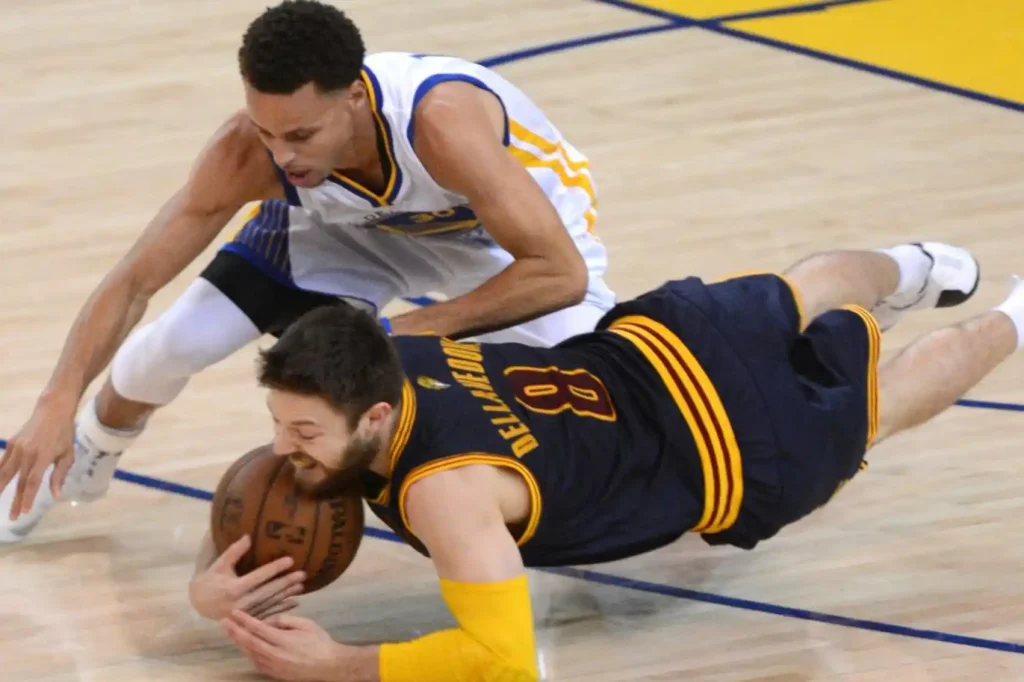
This matters most for:
- Streetball and outdoor runs: more abrasion risk, rougher courts.
- Players who dive or slide: sleeves can reduce friction burns.
- Tournament weekends: many games, repeated contact, little recovery time.
You might be wondering… “Should I use an elbow pad instead?”
If you need impact protection at the elbow, an elbow pad is better. A sleeve provides warmth, sweat control, and skin protection.
The biggest basketball arm sleeve pain points (and how to avoid them)
You buy a sleeve, then you fight it all game. That’s the fastest way to hate sleeves. Basketball players complain about a few problems again and again: sliding, rolling, tightness, and elbow bunching.
The top pain points are sleeves that slide down, roll into a tight band, feel too tight and cause numbness, or bunch at the elbow crease. The fix is usually fit + top band grip + the right fabric, not “try harder.”
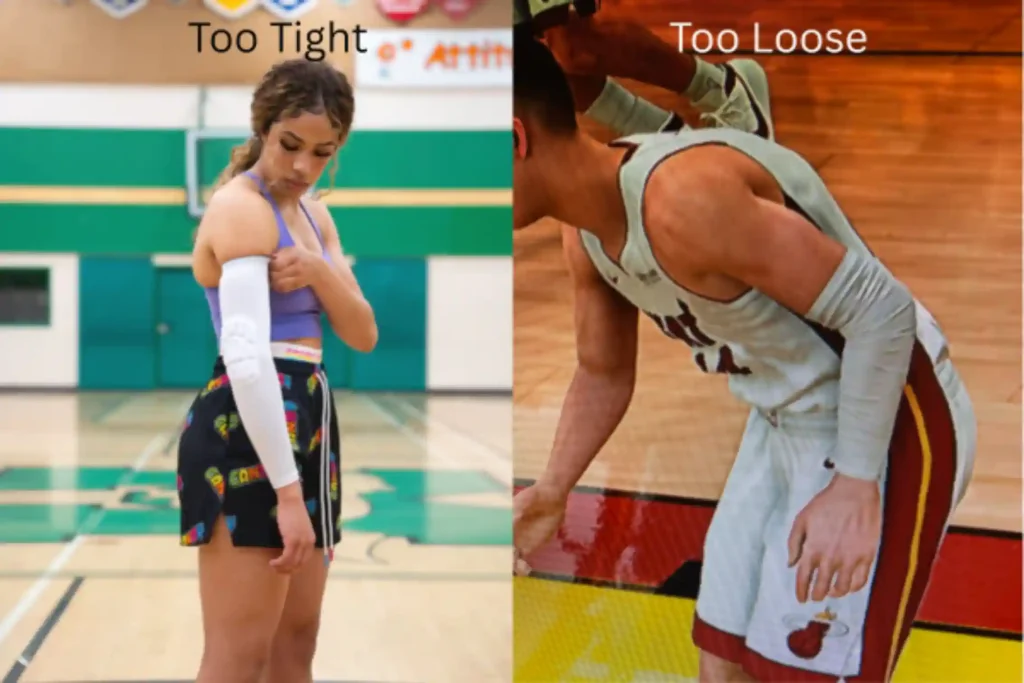
Quick table: pain point → what players care about → what to choose
| Pain point on court | What players care about | What to look for in a sleeve |
|---|---|---|
| Sliding down mid-game | “I don’t want to keep pulling it up” | Correct size, grippy top band, stable stretch recovery |
| Rolling at the top into a tight band | “It turns into a tourniquet” | Softer top edge, better sizing, smoother taper (not too tight at one spot) |
| Numbness/tingling or hand feels “off” | “My fingers feel weird” | Don’t size down too much; avoid overly tight top band; stop using if numbness happens |
| Bunching at elbow crease | “It distracts my shot” | Smooth seams, better elbow fit, breathable knit that doesn’t wrinkle easily |
| Too hot or too slippery when sweaty | “It feels gross after 10 minutes” | Moisture-wicking fabric, breathable zones, not overly slick yarn |
Here’s the kicker… the “perfect sleeve” on paper still fails if sizing is wrong.
Fit checklist for basketball (fast test)
- Stays up after 10 jump shots (no pulling up).
- No numbness or tingling in the forearm/hand.
- Elbow bends freely without a hard seam digging in.
- Top band leaves only light marks (not deep grooves).
- Feels normal after you sweat (doesn’t turn into a slide).
If you want, you can use our measuring and wearing method as your sizing reference (internal link suggestion below).
Are arm sleeves allowed in basketball games?
You don’t want a ref telling you to change gear five minutes before tip-off. Many school leagues have rules on sleeve color, logos, and team consistency.
In many U.S. high school rule sets, arm sleeves must follow color restrictions (often black/white/beige or school color) and may need to match across teammates who wear them. Some associations also limit logo size/count. Always check your league rules before game day.
Simple “rule-safe” color guidance (common in school leagues)
| League type (common cases) | Typical safe colors | Team matching? |
|---|---|---|
| High school rules guidance (common) | black / white / beige / school color | often yes |
| Some school association equipment guides | solid color + logo limits | often yes |
The bottom line? If you’re buying for a team, pick solid colors, control color consistency between batches, and keep logos simple.
Conclusion
Basketball arm sleeves are more than just accessories. They offer compression for recovery, protection from court burns, sweat management for better grip, and temperature control. Whether you are playing on concrete or hardwood, they provide a real advantage.
While we focus on the technical specs of fabric and compression in our factory, we know that style matters. That is why we offer customization options for teams. Looking like a unit helps you play like a unit. For a broader look at this gear, check our complete Arm Sleeves Guide.
FAQs
Do shooting sleeves improve shooting accuracy in basketball?
Sometimes, but don’t expect a guaranteed boost. Sleeves mainly help by keeping the shooting arm warm and sweat under control, which can improve consistency. Small studies report modest free-throw gains with compression, while broader reviews find mixed performance results.
Why do many players wear one sleeve instead of two?
Most players wear one sleeve on the shooting or dominant arm to keep that arm warm, manage sweat, and maintain a familiar feel on release. Two sleeves are usually for symmetry, extra warmth, or abrasion protection—especially in outdoor games.
How do I stop my basketball arm sleeve from slipping down?
Slipping usually means the size is too large or the elastic is worn. Choose a size where the bicep opening is slightly smaller than your arm measurement. Look for sleeves with silicone non-slip strips at the top to anchor them securely against your skin.
How tight should a basketball arm sleeve be?
It should feel snug and secure without pain. You should bend your elbow freely and keep normal hand sensation. If you notice numbness, tingling, strong pressure marks, or swelling, it’s too tight—size up or stop using it during play.
Are arm sleeves allowed in high school basketball?
Often yes, but many school leagues require solid, rule-approved colors (commonly black, white, beige, or the jersey’s predominant color) and may require teammates’ sleeves to match. Logo limits can apply. Always confirm your local rulebook before games.
Can wearing an arm sleeve prevent muscle cramps during games?
Yes, compression sleeves help by improving blood circulation and retaining heat. This thermal regulation prevents muscles from stiffening during bench rest. However, proper hydration is the most critical factor, so view the sleeve as a supportive tool rather than a cure-all.
What’s the best fabric for a sweaty basketball game?
Look for moisture-wicking, breathable knits that don’t feel overly slick when wet. The goal is to absorb forearm sweat without sliding. Flat seams help prevent rubbing at the elbow crease. Avoid thick, non-breathable sleeves for hot gyms.
Should I wear an arm sleeve for streetball or outdoor courts?
Yes, if you play on rough surfaces or dive for loose balls. Outdoors, sleeves are valued more for abrasion protection and keeping sweat and dust off the arm than for compression. Choose a slightly tougher knit and a top cuff that won’t slip.