Knee pain from impact or kneeling builds fast. The wrong protection feels bulky, slips down, or does too little. This guide explains what knee pads are used for and when they make sense.
Knee pads are used to reduce direct pressure, soften impact, and make kneeling or floor contact easier to handle. They help in sports, work, and home tasks, but the right result depends on the pad design, the surface, and how you plan to use it.
If you want the bigger picture around fit, care, and buying advice, it also helps to read this complete knee pads guide.
What are knee pads used for?
Hard floors create instant stress on your joints. You risk bruises or scrapes without a buffer. Proper padding creates a soft layer between you and the ground.
People use knee pads to handle repeated kneeling, protect against falls, and move comfortably on the floor. The main goal is to limit the stress placed directly on the kneecap.
The first job is pressure relief. If you kneel on tile, concrete, wood, or another hard surface, your kneecap and the area around it take the load right away. A knee pad spreads some of that pressure and adds a layer between your body and the ground. That can make a short task feel more tolerable. It can also help during longer kneeling jobs.
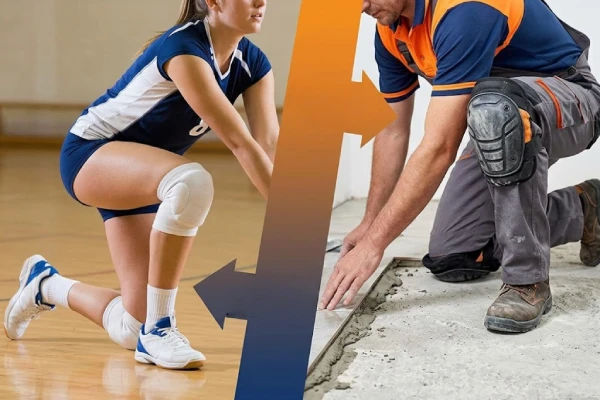
The second job is impact management. In sports like volleyball, dance, skating, and some training drills, the knee may hit the floor during movement. A pad can soften some of that contact. It does not remove all force, but it can reduce how harsh the contact feels.
The third job is repeated-contact comfort. That matters when your knee touches the ground again and again. Here’s the deal… one hard kneel may not seem like much. Fifty kneels in a row feels very different. That is why people often notice the value of knee pads more during repeated movement than during one single moment.
Some users also like the sense of confidence that comes from having a protective layer in place. They may move more freely because they are less worried about floor contact. That does not mean a pad fixes technique, fit, or joint support. It means the task can feel easier to manage.
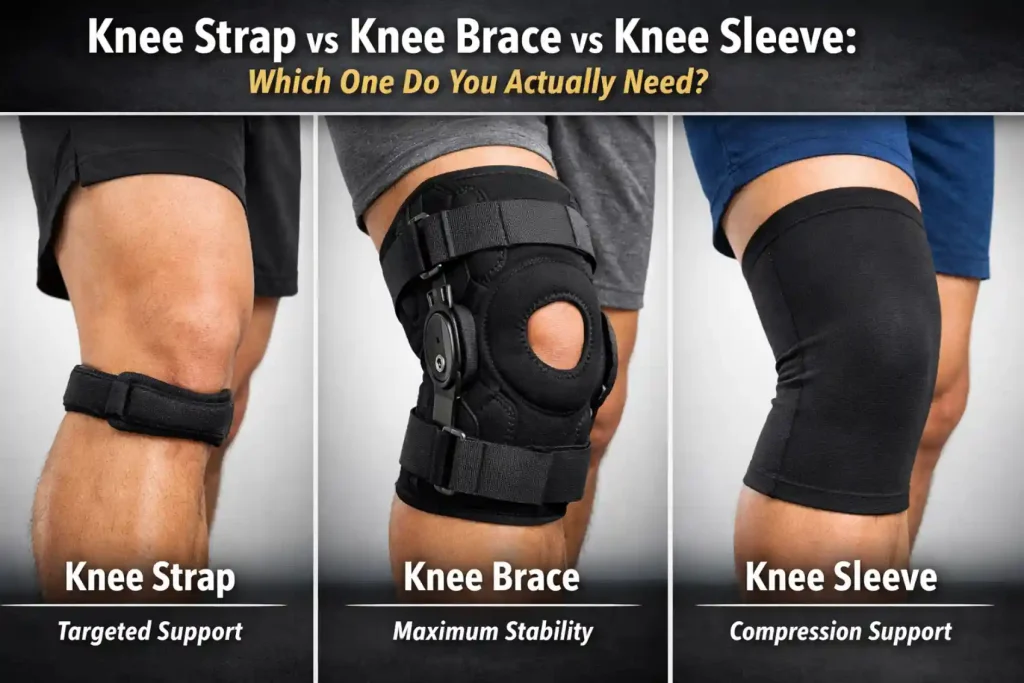
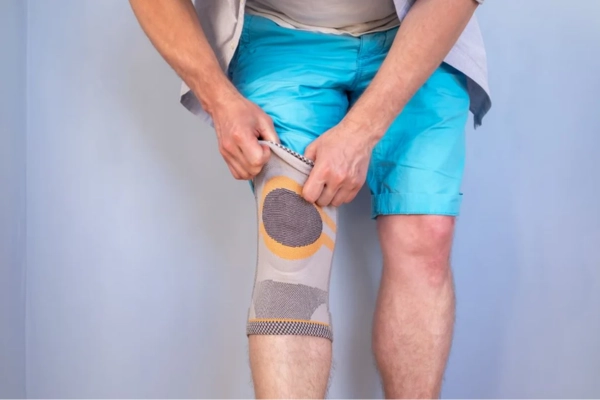
So what does this mean for you? Start with the real job the knee pad needs to do. If the main problem is hard kneeling, look at pressure and comfort. If the main problem is sport contact, look at mobility and impact padding. If your main need is joint compression or a more supportive wraparound feel, it helps to compare different knee support options like sleeves, braces, and pads before choosing.
Who uses knee pads and why?
Different activities put different types of strain on your legs. Using the wrong gear leads to poor results. Finding the right pad starts with knowing your specific daily needs.
Athletes use pads to survive sudden falls. Workers rely on them for all-day kneeling comfort. Occasional users wear them to make home chores and gardening less painful.
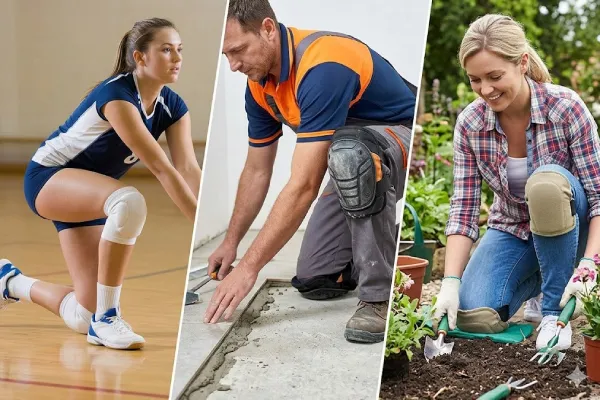
Athletes who need impact protection
Sports demand fast reactions. Volleyball players dive for the ball and hit the gym floor hard. Dancers drop to the stage during complex routines. Skaters fall on solid concrete. These athletes do not kneel for hours at a time. They need pads that handle sudden, sharp impacts effectively. Their pads must stay lightweight and tight. This allows them to bend their legs, run, and jump without any restriction.
Workers who kneel for long periods
A flooring installer spends the whole shift on the ground. Construction workers, plumbers, and maintenance teams face the exact same problem. These workers face constant pressure, not sudden drops. They need heavy-duty materials. A soft volleyball pad flattens out and becomes useless after an hour on concrete. Workers need thick foam, gel layers, and tough outer shells. These thick designs survive rough surfaces and support heavy body weight for eight hours a day.
Occasional users at home
You might only kneel down on the weekends. Gardening, cleaning low cabinets, or fixing a sink still puts pressure on your joints. You do not need professional sports gear or heavy construction shells for this type of work. Simple, soft pads work best here. They slip on easily over your clothes. They provide enough basic comfort for an hour of yard work and cost very little.
How do knee pads help?
Your joint is not built to carry your whole body weight on a hard floor. Ignoring this fact causes long-term swelling. Padding changes how weight and force interact with your body.
Knee pads help by reducing direct pressure on the kneecap, absorbing impact from sudden contact, and making repeated kneeling motions easier to manage over time.
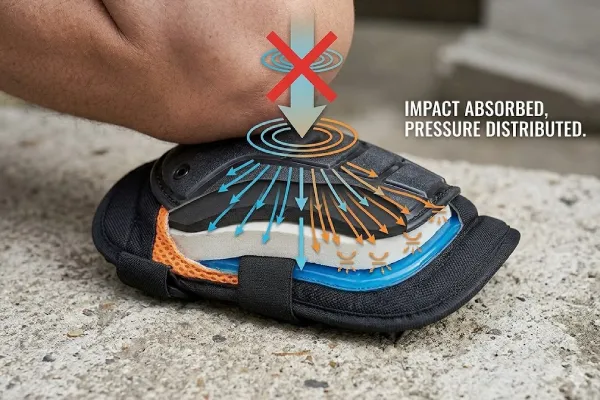
Pressure is the first part. When your knee presses against a hard surface, the contact area is small and the force feels sharp. Padding helps distribute some of that load across a wider area. That can make kneeling feel less intense, especially on rough or unforgiving surfaces.
Impact is the second part. In sports movement, the force often arrives faster. A knee pad gives your body a softer landing surface than bare contact. That does not mean no pain, and it does not mean no risk. It means the front of the knee does not take the full contact in the same direct way.
Comfort during repeated movement is the third part. This is where many users feel the biggest difference. If you kneel once, you may not care. If you kneel many times, small amounts of cushioning start to matter much more. Here’s what most people miss… comfort is not just about softness. It also depends on how stable the pad stays, whether it bunches, and how the padding sits against the knee during motion.
Knee pads may also reduce hesitation. Some users move more naturally when they know they have a layer in place. That mental side is real, but it should not be confused with structural support. If your main need is joint compression or a more supportive wraparound feel, you may want to compare knee pads with sleeves, braces, and pads before choosing.
If fit is your main concern, it helps to read more about how different knee support types compare before deciding that padding alone will solve the problem.
What are the common types of knee pads?
Using the wrong pad style causes more frustration than wearing no pad at all. Picking a random pair often wastes money. You must match the pad structure to your specific activity.
There are four main types of knee pads: soft sleeve styles, thick foam pads, hard-cap work models, and gel-layered designs. Each handles pressure and friction differently.
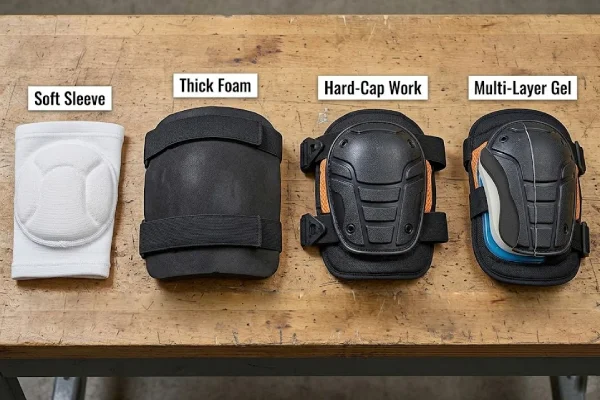
Soft sleeve-style knee pads
These slide up your leg exactly like a sock. They have a thin layer of padding sewn directly into the front fabric. You see these mostly in indoor sports. They offer great flexibility. You can bend your leg fully without feeling stuck. They handle quick falls on smooth wood well. However, they fail quickly if you try to work on rough concrete or gravel all day. The fabric will simply tear open.
Thick foam-padded knee pads
These use thick blocks of foam held on by straps behind the leg. They feel bulky but offer excellent cushioning. Workers and home users rely on these for static kneeling. The thick foam stops the ground from pushing into your joint. They limit how well you can walk, so you usually take them off when you stand up to move around the room.
Hard-cap work knee pads
These pads feature a tough plastic or rubber shield on the outside. They are built for extreme durability in bad conditions. If you work on gravel, stray nails, or rough tile, a soft pad tears apart. The hard cap deflects sharp objects safely. It also lets you spin and slide on your knees while working on smooth floors without catching the fabric.
Gel or multi-layer knee pads
Gel or multi-layer knee pads try to balance comfort and pressure management. Some use layered padding to improve feel during longer wear. Some combine softer inner comfort with a tougher outer face. Different use cases often need different padding structures, materials, and outer surfaces, which is why many brands start with custom knee pad development instead of copying one generic shape.
How do you match knee pads to the job?
A pad that looks great might slip down your leg during a fast game. A cheap pad might ruin your expensive work trousers. You need a simple way to filter your choices.
You should choose knee pads based on your specific movement type, the contact surface, the required protection level, and your expected daily wear time.
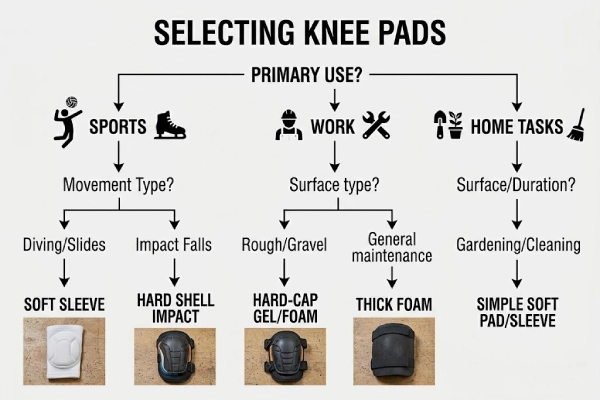
Choose by movement type
Think about what your legs do most often. Do you run, jump, and slide constantly? You need a flexible sleeve that stays tight against your skin. Do you shuffle along the floor on your knees for hours? You need strong straps that hold the bulky pad in place while you crawl forward.
Choose by contact surface
The floor dictates the outer material of your pad. Wood gym floors need soft fabric that will not scratch the clear finish. Concrete needs very thick foam. Rough outdoor terrain needs a hard plastic shell to stop sharp rocks from piercing the fabric. Always match the shell directly to the floor.
But here’s the kicker… many people ignore the floor type and ruin their brand new pads in a single day.
Choose by protection level
Some tasks require only light buffering. Others require heavy shock absorption. If you play a high-impact sport, you need a pad tested for heavy strikes. If you just weed your garden, a simple half-inch foam layer provides enough comfort. Do not buy heavy-duty construction gear for a light-duty weekend job. It will feel heavy and slow you down.
Choose by wear time and comfort needs
Think about how long the pads will stay on your legs. If you wear them for eight hours, the straps matter most. Bad straps cut into the back of your leg and restrict blood flow. For long shifts, look for wide straps or breathable materials. For a quick 30-minute workout, basic elastic works perfectly fine.
If you are comparing options, it helps to review a broader knee support gear guide before deciding what type fits your use best.
What knee pads cannot do
Expecting a basic pad to fix a medical issue leads to bad outcomes. Relying on them for the wrong reasons often causes secondary injuries. You must know their limits.
Knee pads do not solve internal joint pain, they do not offer medical support, and they do not replace a proper fit. They only provide surface protection.
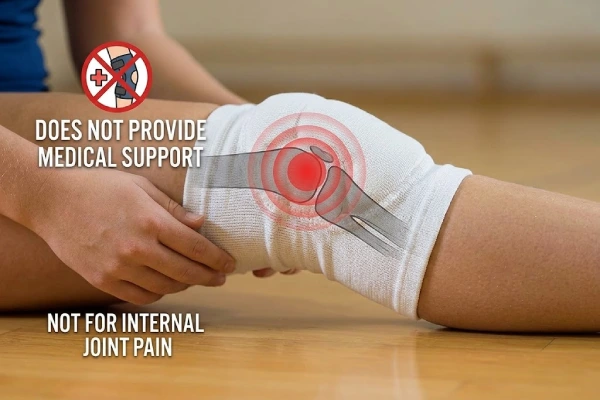
They do not replace a good fit
A thick pad does absolutely nothing if it slides down to your shin. A tight pad causes severe leg cramps. You cannot fix a bad fit simply by pulling the straps tighter. If the pad rolls down or pinches your skin, you have the wrong size. You must measure your leg accurately and follow brand sizing charts. Protection always requires proper placement on the leg.
They do not solve every knee problem
Pads act as a physical shield between you and the floor. They are not medical braces. They do not hold your ligaments in place. They do not stop your joint from twisting outward. If you feel sharp pain inside the joint when you walk, a pad will not fix it. You might need a tight support sleeve or a rigid brace instead. If fit is your main concern, you may need a different support product, such as a compression knee sleeve or a more structured knee brace.
They do not all perform the same way
You cannot grab a gardening pad and wear it to a competitive volleyball match. It will restrict your movement and fail to absorb a fast impact. You cannot wear a thin volleyball sleeve to lay heavy bricks. The rough stone will tear the fabric in minutes. Every pad design serves a specific function. You must respect the intended use case to get the right results.
Conclusion
Knee pads work best when the product matches the task. If you are reviewing materials, structures, or private label knee pad options, it may also help to look at broader OEM and ODM support for sports supports.
FAQ
What are knee pads mainly used for?
Knee pads are mainly used to reduce pressure, soften contact, and make kneeling or floor contact easier to manage during sports, work, and home tasks.
Do knee pads only help in sports?
No. Many people use knee pads for flooring, gardening, cleaning, maintenance, and other jobs that involve repeated kneeling on hard or rough surfaces.
Are sports knee pads and work knee pads the same?
No. Sports knee pads usually focus on movement and lighter contact protection. Work knee pads often focus more on pressure relief, durability, and longer kneeling comfort.
Do knee pads support the knee joint?
Not in the same way as a brace or compression sleeve. Knee pads mainly help with contact protection and kneeling comfort rather than structured joint support.
Can knee pads make kneeling more comfortable?
Yes. A well-matched pair can spread pressure and add cushioning, which can make repeated kneeling feel less harsh on hard surfaces.
How do you choose knee pads for different uses?
Start with the task, the surface, and how long you will wear them. Then match the padding style, construction, and comfort level to that use.