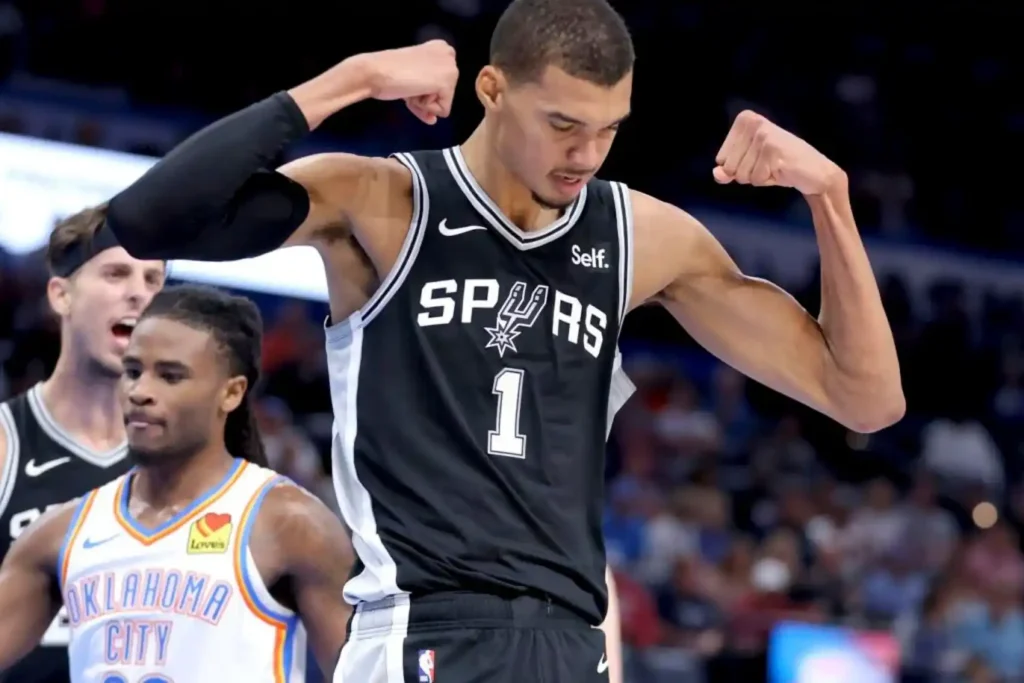
You see arm sleeves on basketball courts, running tracks, football fields, and even in esports arenas. Sometimes both arms are covered, sometimes only one. If you are trying to decide whether arm sleeves are “just for looks” or a serious piece of performance gear, you are not alone.

Athletes wear arm sleeves to solve specific problems: they want their arms to stay stable under high-intensity movement, protected from friction and impact, comfortable in changing weather, and ready to perform from warm-up to the final whistle. A single sleeve usually sits on the shooting, throwing, or previously injured arm, and over time becomes part of the athlete’s on-field identity.
This article focuses on that real-world, game-day use case: why athletes wear arm sleeves – and why so many choose just one arm – across sports like basketball, running, football, baseball, racket sports, and more. For a full overview of arm sleeve types, materials, and user groups, you can refer back to the broader Arm Sleeves Guide, which this page is clustered under.
What problems are athletes trying to solve with arm sleeves?
Before looking at single-sleeve trends or specific sports, it helps to start from the athlete’s side. When players first try arm sleeves, they are usually not thinking about fabric science.
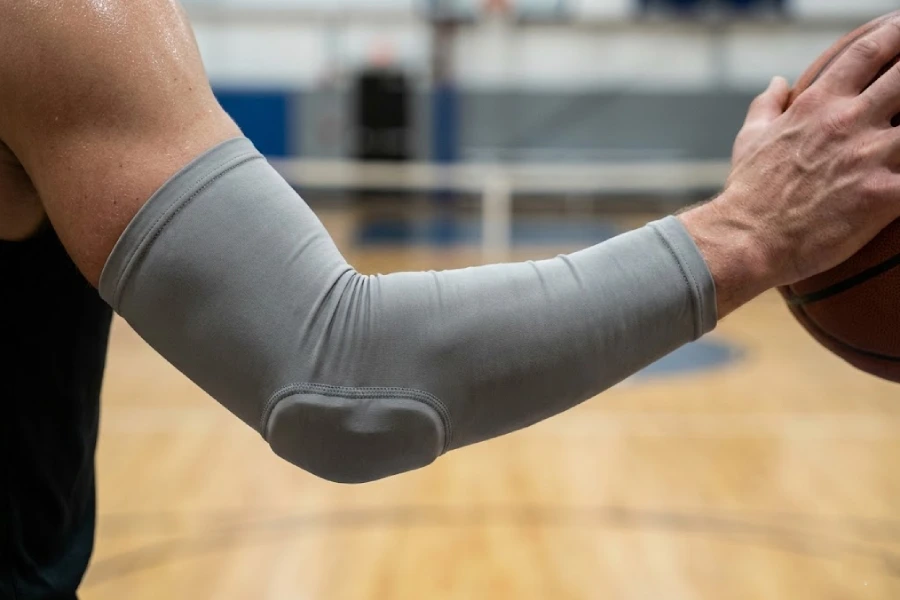
Arm sleeves help athletes handle heavy, unstable arms, protect elbows and forearms from scrapes, manage temperature swings, and keep minor elbow or forearm pain from dominating every movement. Compared with tape or extra layers, sleeves are fast to use, comfortable for long wear, and easy to standardize across a team.
They are thinking about pain points such as:
- Arms feeling heavy and out of control late in a game
- Elbows and forearms getting scraped by hardwood, turf, or opponents
- Struggling with cold starts or rapid weather changes
- Minor elbow or forearm pain that makes every movement feel “unsafe”
- Wanting a simple way to stand out and feel confident on the field
Arm sleeves sit directly on those problems. Compared with taping or layered clothing, they are:
- Fast to put on and remove
- Easy to standardize for a whole team or brand line
- Comfortable for long periods once the fit is correct
The general “what and how” of arm sleeves is covered in the pillar guide. Here, we stay close to what matters for athletes: how the sleeve changes what the arm feels like in real play.
Why do athletes wear sleeves on one arm?
The “one-sleeve look” is so common that it creates its own question: why would an athlete protect or compress only one arm?
Athletes wear a single arm sleeve to focus support on the limb that does the most work – usually the shooting, throwing, or swinging arm, or the side with a previous injury. This keeps that arm warmer, more stable, and better protected, while leaving the off-arm bare for maximum ball feel and freedom.
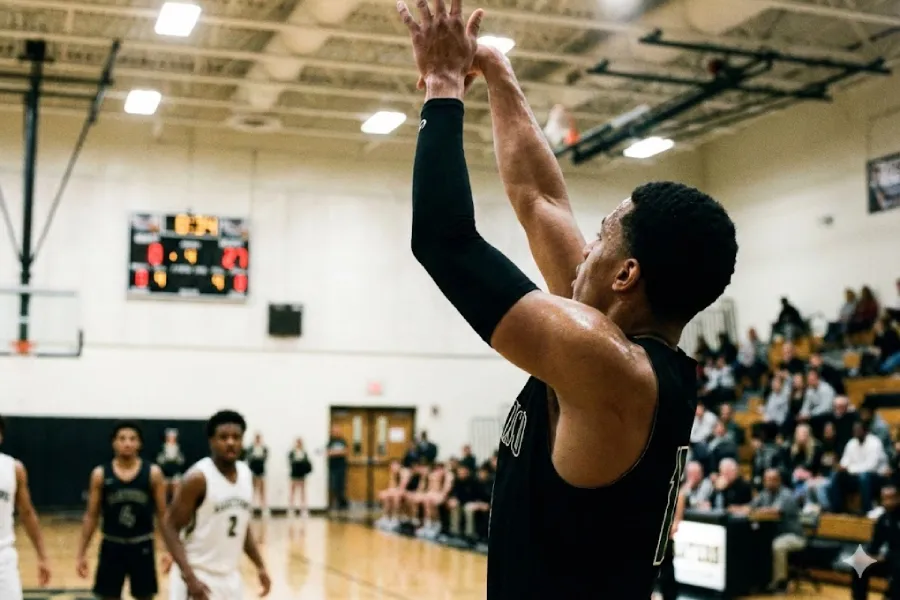
In practice, athletes usually wear a single arm sleeve for a mix of functional and psychological reasons:
- Dominant arm focus – In basketball, baseball, tennis, and similar sports, the sleeve often goes on the shooting or throwing arm. Keeping that side slightly warmer and more supported can help the motion feel repeatable from the first minute to the last.
- Injury history and confidence – If one elbow or forearm has a history of tendonitis, contusions, or surgery, light compression around that area can make the athlete feel more secure during contact or overhead movements.
- Game feel and ball control – Some players do not like identical sensations in both hands and forearms. They may prefer the bare-skin feel on the non-dominant side for ball control, passing, or catching, while keeping the dominant side covered.
- Style and identity – A single sleeve stands out more on broadcasts and photos than a symmetrical pair. Players use that space—color, pattern, even numbers—as part of their on-field identity.
You can think of it this way:
| Setup | Typical reasons |
|---|---|
| One arm sleeve | Dominant arm focus, injury history, personal style, preferred ball feel |
| Sleeves on both arms | Balanced compression, equal protection, symmetrical warmth and appearance |
The bottom line? What begins as an injury or support decision often becomes routine. Even after the original problem fades, many players feel “not ready” without that one sleeve, so it becomes part of their mental warm-up.
How do the reasons for arm sleeves change from sport to sport?
The core physics of compression and friction do not change, but the way sleeves are used does vary between sports. Below is a simplified view.
Across sports, arm sleeves shift focus: basketball players balance protection and shooting feel, runners care about climate and fatigue, football and rugby players need impact protection and warmth, while throwers and racket athletes prioritize joint comfort and repeatable mechanics in their dominant arm.
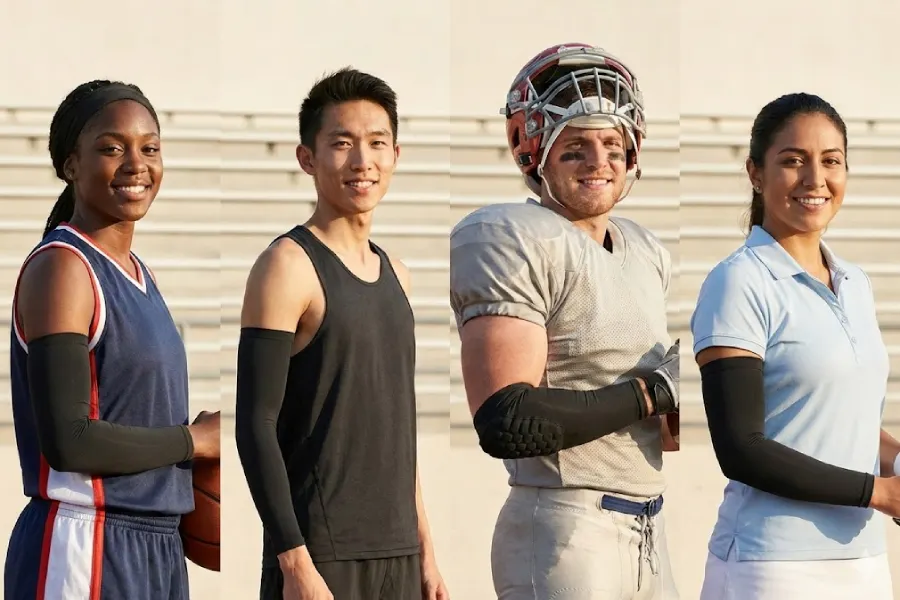
Let’s break it down by sport and use case.
Basketball and indoor court sports
Basketball is where many people first notice arm sleeves on TV and social media. For hoopers, sleeves often combine:
- Elbow and forearm protection when driving, falling, or diving
- A stable, warm feeling in the shooting arm to keep the motion consistent
- A clean glide for the ball along the forearm during the shooting motion
- Strong visual identity for players and teams
Guards and wings who hit the floor often may choose padded sleeves over the elbow. Pure shooters may prefer slimmer compression sleeves that change the feel of the ball as little as possible.
Running, track, and endurance sports
For runners, ultra athletes, and track sprinters, sleeves are less about contact and more about long-duration comfort:
- Circulation and fatigue delay
Compression can support venous return, helping reduce fluid build-up so arms feel less heavy in the latter stages of a race. - Sun and wind protection
Sleeves shield skin from UV exposure and cool wind without committing to a full extra layer. - Temperature flexibility
In marathons and road races, sleeves can be rolled down or removed as temperatures rise – something a long-sleeve top can’t match.
Here, the “why wear arm sleeves” answer is often 80% about climate and fatigue management, 20% about style.
Football, rugby, and contact sports
In American football, rugby, and other collision sports, sleeves work like flexible armor:
- Shielding the arm from turf burns for receivers, running backs, and defensive backs
- Keeping elbows and forearms warm on cold, windy fields between snaps
- Adding light compression and optional padding over previously injured areas
Players get skin protection and warmth without the bulk or restriction of full elbow braces or thick layers.
Baseball, softball, and throwing sports
Throwing sports put repetitive stress on elbows and shoulders. Sleeves help:
- Keep the throwing arm warm between pitches or innings
- Support circulation around the elbow and forearm during long outings
- Provide a consistent feel when gripping and releasing the ball
Pitchers and position players may choose different lengths and compression levels depending on how the sleeve interacts with their arm slot and mechanics.
Racket sports and emerging use cases
In tennis, padel, and similar sports, arm sleeves contribute to:
- Managing elbow and forearm discomfort from repeated swings
- Sun protection during long, outdoor matches
- Maintaining warmth in the hitting arm during breaks and changeovers
Outside traditional sports, sleeves now appear in esports and gaming, where they reduce friction between the forearm and the desk, helping keep mouse movement smooth and controlled over long sessions.
Do arm sleeves actually improve performance?
At this point, a natural question is: are arm sleeves a real performance tool, or just a comfort and style product?
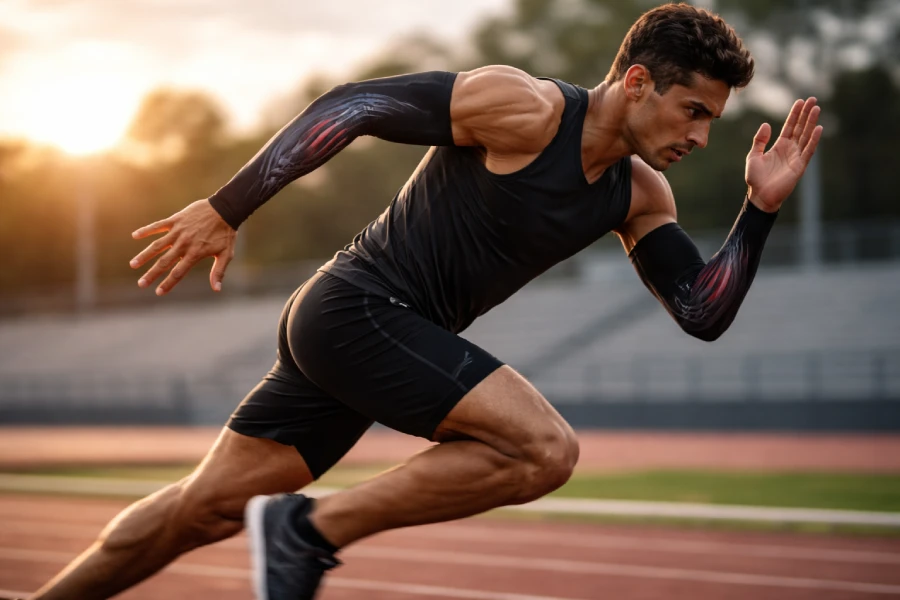
Compression arm sleeves do not turn an average player into a star, but they support blood flow, limit swelling, and reduce muscle shake, which helps arms feel fresher and more stable during and after hard sessions.
Here’s what most people miss: performance often drops not because athletes suddenly get worse, but because fatigue, stiffness, and irritation build up.
In practical terms, sleeves can help:
- Reduce perceived fatigue in the arms by supporting venous return
- Maintain joint and muscle temperature, especially in cold or variable weather
- Protect skin so players are less distracted by scrapes and turf burns
- Support recovery between games with gentle compression that helps manage swelling
No compression sleeve will turn an average player into a star overnight. But for professional and serious amateur athletes, small gains in comfort, consistency, and recovery can be worth a lot over a full schedule.
For teams and brands building a complete sleeve program, game-day compression sleeves are often combined with dedicated recovery products. For example, a hot-and-cold elbow compression wrap can be used after games for cold therapy on irritated joints and before training for gentle heat, while still providing 360° compression around the elbow. You can see a typical implementation in our custom hot and cold elbow sleeve arm ice pack wrap.
How do arm sleeves help with pain management and recovery
Many athletes do not start with arm sleeves for style at all—they try them because of mild elbow or forearm discomfort from overuse, tendon irritation, or repeated falls.
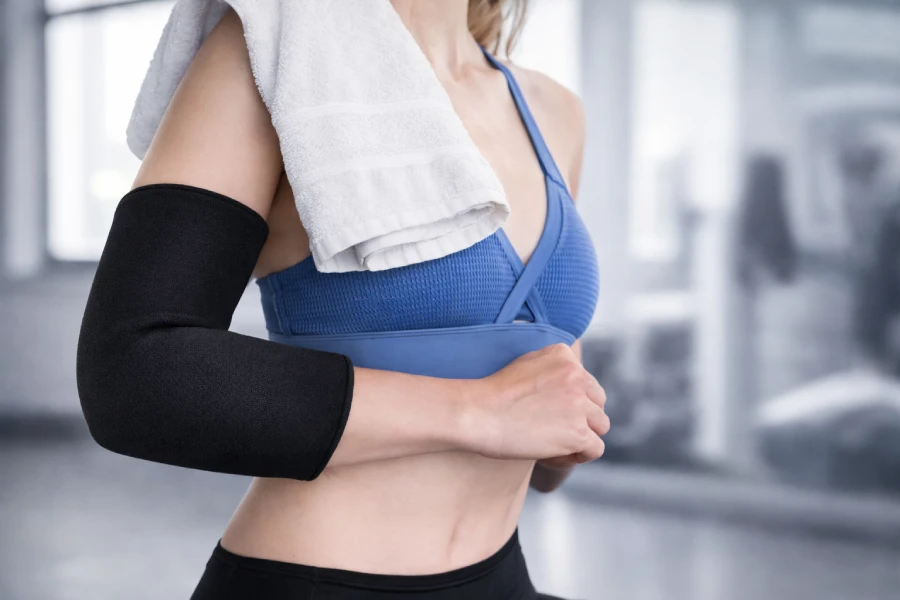
It is important to be clear: a sleeve cannot cure an injury, but it can change how the arm feels under load and during recovery.
For pain management, sleeves mainly help by:
- Adding gentle, even compression
This can reduce the feeling of “looseness” around irritated tissue and give the joint a more contained, supported sensation. - Maintaining local warmth
A slightly warmer joint often feels less stiff to some athletes, especially at the start of training or after breaks. - Shielding sensitive skin
When the elbow or forearm has been hit or scraped, a sleeve provides a barrier against new contact and friction, so the area is less easily aggravated.
In real use, athletes tend to follow a simple pattern:
- During activity, a standard compression arm sleeve is worn to keep the joint feeling stable and protected while they run, shoot, throw, or dive.
- After activity, more targeted tools are added to the routine (for example, a hot/cold elbow compression wrap) to manage swelling and stiffness in a specific area.
For teams and brand owners, this is where a product line can go beyond a “game sleeve” only. A complete range covers three moments: light compression in play, supportive warmth before activity, and focused hot/cold compression after activity for recovery-focused use.
How to choose the right arm sleeve
Choosing the right arm sleeve is not only about color or style. A good match between sleeve and sport makes a big difference in comfort and usefulness.
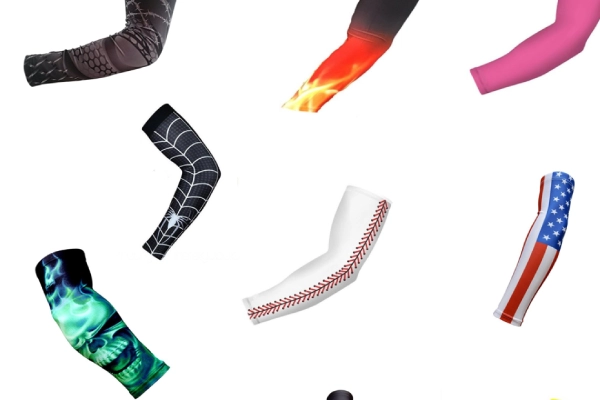
The right arm sleeve starts with a purpose: protection, support, climate control, or recovery. From there, athletes should choose a suitable compression level, fabric, and length for their sport and environment, then decide whether to target one arm or both. Teams and brands must also consider size runs, compression profiles, and customization.
For individual athletes
You can use this simple decision path:
- Clarify the main purpose
Protection from floor or turf burns
Support for a shooting or throwing arm
Comfort and temperature control in long-distance running or training
Extra warmth and confidence for a previously injured elbow or forearm - Choose compression level
Light compression for casual use and athletes new to sleeves
Medium to firm compression for more support in serious training and recovery - Match fabric and length to sport and environment
Slim, breathable sleeves for indoor court sports and hot climates
UV-protective, moisture-wicking fabrics for outdoor running and field sports
Padded zones around the elbow or forearm for positions with frequent falls or collisions - Decide between one sleeve or a pair
One sleeve if focus is on a dominant or injured arm
A pair if both arms takes similar loads, or if balanced protection and appearance matter
For teams, clubs, and brands
Teams, clubs, and private label buyers look at sleeves from a different angle. Their key questions include:
- Can the size run cover all players reliably?
- Is the compression level appropriate for this sport and age group?
- Do the colors and graphics match team identity or brand style?
- Are there options for both padded and non-padded versions in the same line?
- Will quality and construction stay consistent across seasons and reorders?
A structured custom program helps answer these points. A dedicated Custom Arm Sleeve solution typically allows buyers to define:
- Fabric weight, stretch, and breathability
- Compression profile and sleeve length
- Size grading from youth to adult
- Colorways, logo placement, and packaging
From the player’s point of view, a well-designed custom sleeve simply fits, stays in place, and makes the arm feel ready. If you want the full process from yarn choice to logo options and testing, see our complete OEM/ODM sports support manufacturing guide.
FAQ: common questions about athletes and arm sleeves
What is the point of arm sleeves for athletes?
Arm sleeves give athletes light compression for muscle support, help circulation, protect skin from scrapes and UV rays, and regulate temperature in changing weather. They also create a consistent feel in the arm, which can improve comfort, confidence, and focus during games.
Do arm sleeves really improve performance or are they just for style?
Arm sleeves do not directly increase strength or speed, but their compression and warmth can reduce muscle vibration, manage fatigue, and support recovery. Reduced soreness and better comfort help athletes maintain a more consistent performance level, while style is a secondary benefit.
Why do athletes wear sleeves on one arm instead of both?
A single arm sleeve usually goes on the shooting or throwing arm, or the side with the previous injury, to keep it warmer, more supported, and protected. Some players also prefer a bare off-arm for ball control and use one sleeve for style.
Can you wear arm sleeves in hot weather?
Yes. In heat, lightweight compression arm sleeves can help wick sweat, protect skin from UV rays, and keep the sun off your arms. Choosing breathable, light-colored fabrics prevents overheating and often feels cooler than direct sun or thick sunscreen alone.
Can arm sleeves help with elbow pain or recovery?
Arm sleeves cannot fix serious elbow injuries, but light compression and warmth can reduce mild swelling, support blood flow, and make the joint feel more secure. Many athletes pair sleeves with proper rehab, stretching, and hot–cold therapy for better recovery.
Conclusion
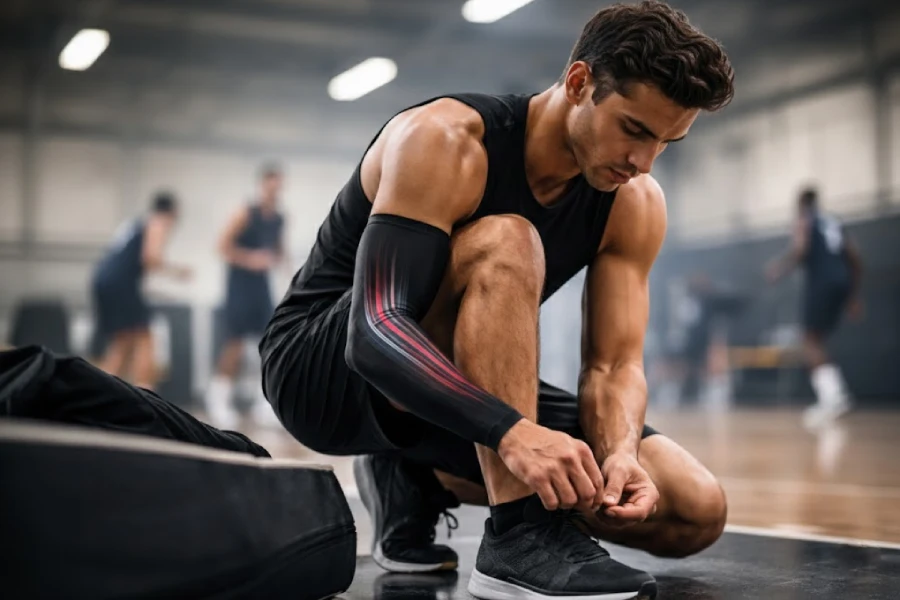
Athletes wear arm sleeves because they provide a real physical advantage, from better blood flow to protection against the elements. Whether you choose a single sleeve for your shooting arm or a double set for a long run, the goal is the same: stay protected and play longer.
Ready to upgrade your gear? Check out our professional-grade selection to find the perfect fit for your sport.