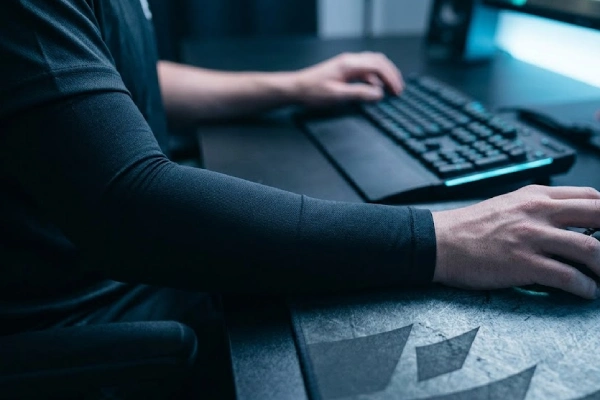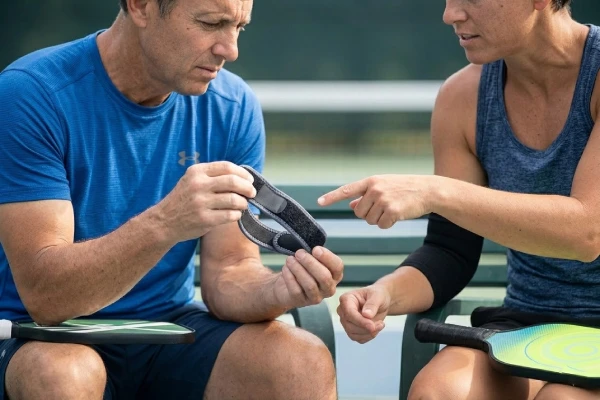
MLB players wear arm sleeves for comfort, warmth, sweat control, and style. But not every sleeve works. If you pick the wrong fabric or fit, it slides, bunches, and feels awful by the third inning.
MLB players mostly wear lightweight compression arm sleeves (nylon/spandex blends) from baseball gear brands and big sports brands, usually in solid colors or simple graphics. The “pro-level” difference is consistent compression, a stay-put opening, and fabric that stays smooth during throwing and hitting.
This page is part of our Arm Sleeves cluster. If you want the full overview first, read our main guide: Arm Sleeves guide.
What arm sleeves do MLB players wear most often?
MLB players don’t all wear the same sleeve, but the “most common” choice is easy to spot on broadcast games: a full-length compression arm sleeve that covers the forearm and upper arm.
Most MLB players wear a full-length compression arm sleeve made from a nylon/spandex blend, with a smooth finish, medium compression, and a non-slip upper opening. Common looks are solid black, white, team colors, or simple prints.
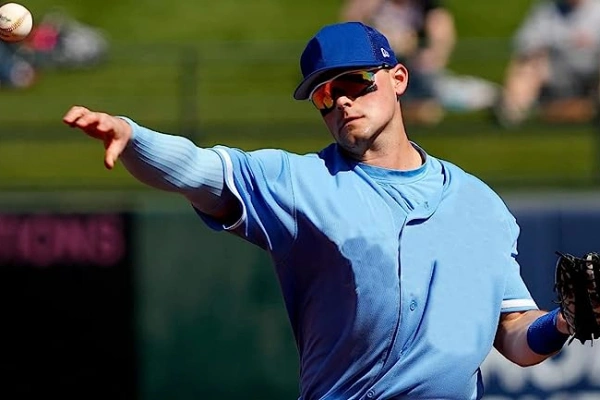
Here’s the deal… if you want to understand “what arm sleeves do MLB players wear,” you need to separate what shows up on players vs what brands claim.
The brands you’ll see most in MLB-style sleeves
From public gear-tracking sites and retail patterns, these show up again and again:
- EvoShield compression arm sleeves (common in baseball retail and widely associated with baseball gear)
- Nike arm sleeves (often shown on MLB players via gear spotlights)
- Under Armour team/compression arm sleeves (popular team-style product, lots of user reviews)
- BRUCE BOLT sleeves (high visibility in baseball content and player-spotlight posts)
- Custom Numbered sleeves (used for custom number looks in baseball)
What this means for you: the “MLB sleeve” category is not one single product. It’s a spec standard: smooth, breathable compression + stable grip + easy care.
What players say in forums (real intent)
You might be wondering… do players wear sleeves for performance?
In baseball communities, the most repeated reasons are:
- Warmth and “loose feel” (especially early season or cold nights)
- Comfort and confidence (“it just feels better”)
- Durability and compression that doesn’t die after washes (common comparison point between brands)
As a factory, we pay attention to these comments because they map directly to product specs: fabric recovery, anti-slip, seam comfort, and wash durability.
Are MLB arm sleeves compression sleeves, shooting sleeves, or UV sleeves?
Most MLB-looking sleeves are compression sleeves, but buyers mix up terms.
In MLB and baseball retail, “arm sleeve” usually means a compression sleeve (tight fit). “Shooting sleeve” is a basketball term. UV sleeves can be looser, but MLB-style sleeves still tend to fit snug so they don’t flap during throwing.
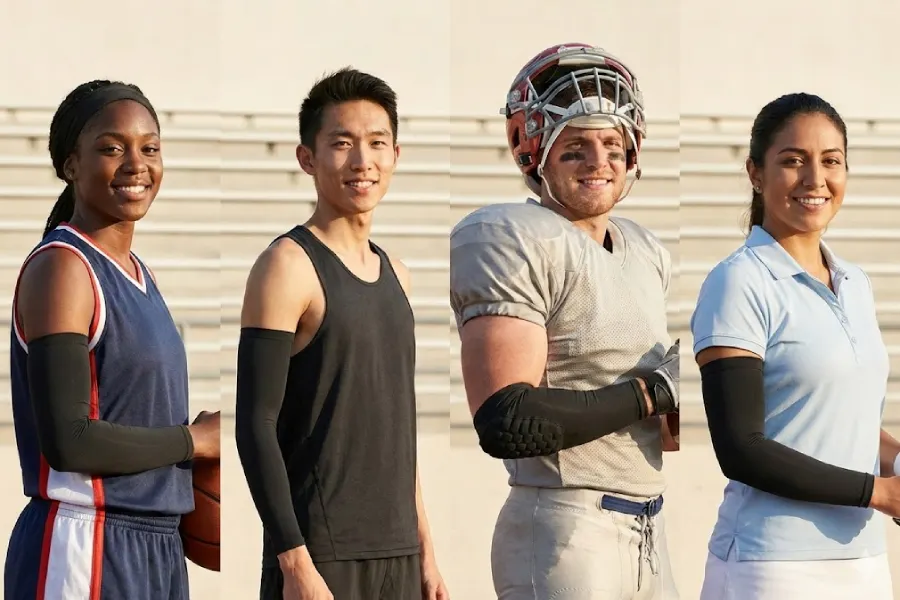
Here’s a simple breakdown:
| Sleeve type | Fit | Main purpose | Most common in baseball/MLB look |
|---|---|---|---|
| Compression arm sleeve | Tight, elastic | Stable feel, warmth control, sweat management, skin protection | ✅ Yes |
| UV arm sleeve | Snug to semi-snug | Sun protection + cooling fabric | ✅ Sometimes (hot weather) |
| Padded arm sleeve | Tight + padding zones | Impact and abrasion protection | ⚠️ More common in football; baseball is limited |
| Forearm-only sleeve | Tight | Forearm warmth / feel | ⚠️ Less common on TV than full-length |
So what does this mean for you?
If your reader is searching “what arm sleeves do MLB players wear”, they usually want:
- What kind (compression)
- What features (stay up, smooth, breathable)
- What to buy (brand examples)
- How to pick (size, color, rules)
That’s why the next section is all about the “pro specs” behind the look.
What makes an arm sleeve feel “pro-level” in baseball?
Retail listings talk about “compression” and “moisture wicking,” but players judge sleeves with brutal honesty: Does it slide? Does it itch? Does it feel heavy? Does it look clean after 10 washes?
A pro-level MLB-style arm sleeve needs (1) stable grip at the bicep, (2) smooth stretch that doesn’t twist during throwing, (3) breathable fabric that dries fast, and (4) durable printing that won’t crack or peel after washing.
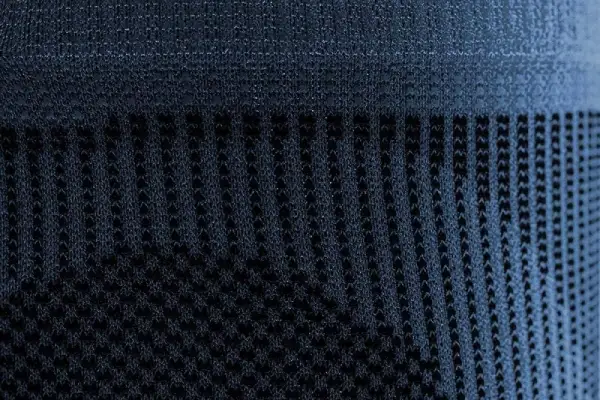
But here’s the kicker… most “bad sleeves” fail in just two places: the opening and the seams.
1) The upper opening: stay-put, no tourniquet
A sleeve that slides down is useless. A sleeve that’s too tight hurts and leaves deep marks. What works well in production:
- Wide upper band (more surface contact = less rolling)
- Optional silicone gripper dots/strips (use carefully; too aggressive can irritate skin)
- Balanced elastic: firm, not stiff
2) The seam strategy: smooth where the arm bends
Baseball movement is repetitive. Pitching and hitting create constant friction at:
- inside elbow crease
- forearm rotation zones
- upper bicep edge under jersey sleeves
We usually recommend:
- Flatlock seams or clean bonded-feel construction in high-friction zones
- Avoid thick overlock seams on the inside arm
3) Fabric spec that matches baseball needs
From popular retail sleeves, you’ll see the same material story repeated: light, stretchy, smooth, quick-dry. Our factory suggestion for MLB-style sleeves:
- Nylon/spandex or poly/spandex blends (smooth hand-feel)
- Medium GSM (not see-through, not heavy)
- Good rebound (compression doesn’t “die”)
4) Wash durability (where reviews expose the truth)
Some customer reviews mention comfort and fit, but also call out issues like logo wear after washing. If you’re building your own brand sleeve, plan for:
- heat-resistant ink choices
- stronger curing/adhesion
- test: wash, dry, repeat (not once—many cycles)
Do pitchers have special rules about arm sleeves in baseball?
This topic gets confusing because different leagues publish different details.
At the pro rule level, uniform rules clearly cover sleeve condition and consistency (no ragged/frayed sleeves, and your sleeves should be approximately the same length). For pitchers, many leagues also restrict white/gray or “distracting” sleeve colors, so it’s safer to avoid high-contrast, reflective, or ball-matching colors on the throwing arm.
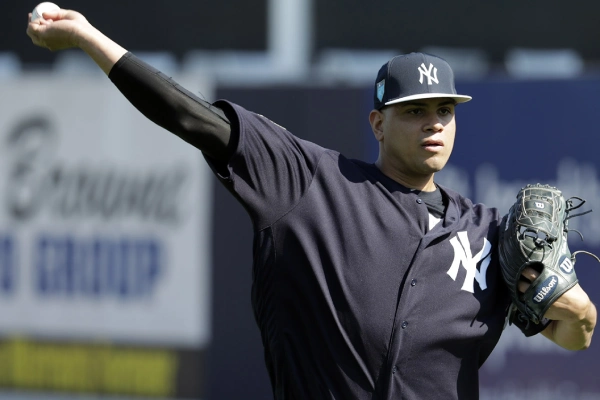
What we can say with confidence from published rule text:
- Sleeve length consistency + no ragged sleeves is stated in rule explanations for “Player Uniforms.”
- White/gray sleeve restrictions for pitchers appear clearly in major amateur rule references (common industry standard outside MLB).
So if you’re selling “MLB-style” sleeves (or supplying teams), your safest product guidance is:
Safe color guidance (especially for pitchers and team compliance)
- Avoid pure white/very light gray on the throwing arm for pitcher-focused marketing
- Avoid high-gloss reflective fabrics
- Avoid busy patterns that could be called distracting
- Offer solid darks (black, navy) and team colors first
The truth is… even if a sleeve is technically allowed, players hate dealing with pre-game gear drama. The easiest path is a clean, non-distracting sleeve.
What should you look for if you want the same sleeves as MLB players?
If you’re a player or buyer, you don’t need 30 features. You need the ones that matter.
To choose an MLB-style arm sleeve, focus on fit (no sliding), fabric feel (smooth + breathable), compression level (supportive but not restrictive), and durability (holds shape after washing). Most players prefer full-length sleeves on the throwing arm for warmth and a consistent feel.
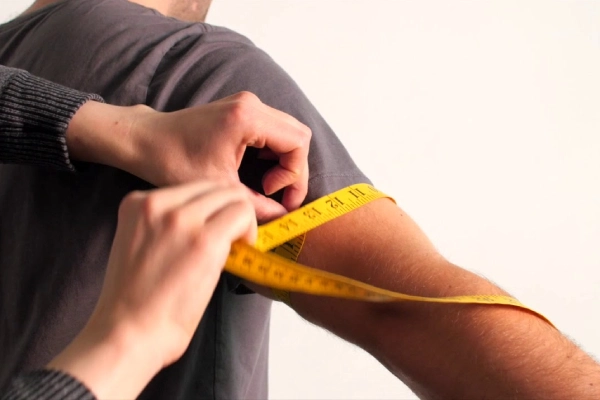
Quick checklist
- Length: full-length is the “MLB look”
- Compression: medium; strong enough to feel stable
- Upper grip: wide band or light gripper
- Seams: flat, low-friction
- Care: survives repeated wash cycles
- Color: solid or simple graphics
If you need sizing help, we’ve already written a full guide: how to wear arm sleeves and measure for the right fit.
OEM/ODM note (from our factory): how we build MLB-style arm sleeves for brands
As a B2B factory, we supply arm sleeves for brands, retailers, and importers.
If you want to build an MLB-style sleeve under your own brand, start with a proven compression pattern, then customize the details that customers notice: anti-slip opening, print durability, fabric hand-feel, and consistent sizing.
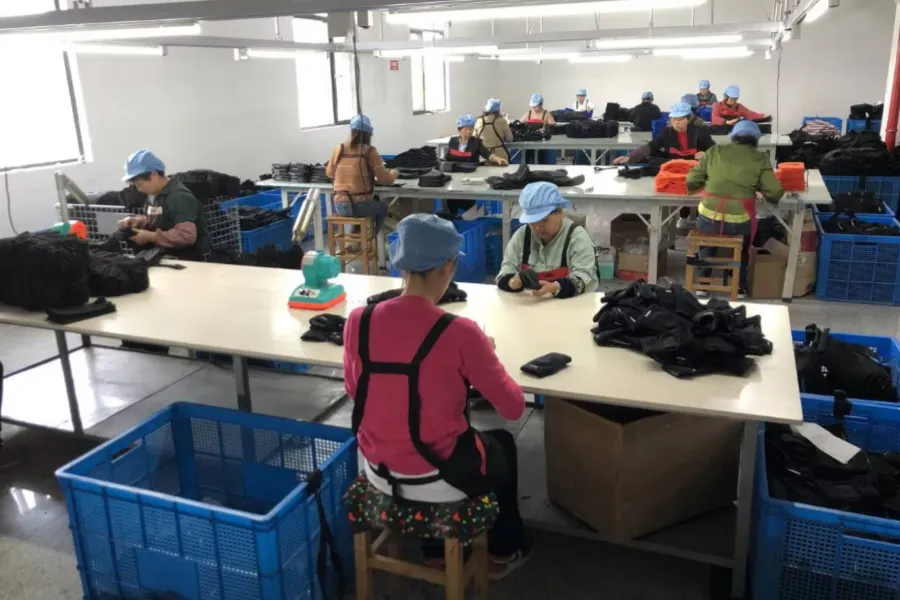
Here’s what most buyers request from us:
- Custom colors + logo placement (clean, high-contrast branding)
- Number/letter customization (popular “player-style” look)
- Small-batch sampling with fast revisions
- Packaging that fits Amazon/retail hooks
We can support OEM/ODM from sample to bulk, with factory delivery control and after-sales support.
If you’re evaluating suppliers, you can also read:
Conclusion
MLB players usually wear full-length compression arm sleeves that stay up, feel smooth, and handle sweat and washing. If your sleeve matches those specs, it will look and feel “pro” on the field.
FAQs
What arm sleeves do MLB players wear?
Most MLB-style sleeves are full-length compression arm sleeves (nylon/spandex or poly/spandex) designed to stay smooth during throws and swings. Popular options are baseball-specific sleeves like EvoShield, plus major performance brands like Under Armour and Nike-style team sleeves.
Why do baseball players wear one sleeve under their jersey?
Forum discussions show the most common reasons are warmth (keeping the arm loose), comfort/“feel”, and sometimes style. Players often wear a single sleeve on the throwing arm because it’s the arm they want warm and consistent all game.
Can MLB pitchers wear arm sleeves?
Yes—pitchers can wear sleeves, but leagues commonly restrict white/gray or anything distracting to hitters. To avoid problems, choose solid, non-reflective colors (black/navy/team colors) and avoid flashy patterns or glossy fabrics on the throwing arm.
Which arm do you wear a baseball arm sleeve on?
Most players wear the sleeve on their throwing arm for warmth, sweat control, and a consistent feel through repeated throws. Some wear both arms for sun protection or style, but if you’re copying the “pro look,” start with the throwing arm.
How tight should a baseball compression arm sleeve be?
It should feel snug and supportive without numbness, tingling, or deep “tourniquet” marks. If it slides down, it’s too loose; if it pinches at the bicep or limits elbow bend, it’s too small or the band is too stiff.
How do I stop my arm sleeve from sliding down during games?
Look for a sleeve with a wide upper cuff or non-slip silicone grips—these are designed specifically to reduce sliding during repeated motion. Reviews often praise sleeves that “stay on for full games,” which usually comes from better cuff engineering and rebound.
Do compression arm sleeves actually help performance or recovery?
The evidence is mixed, and many players treat sleeves as a comfort and consistency tool rather than a guaranteed performance booster. In forums, athletes often say the biggest benefit is feeling warmer and “looser,” which can still matter psychologically and practically.
How do you wash arm sleeves without ruining the logo or elasticity?
Wash cold with mild detergent, turn the sleeve inside-out, and avoid high-heat drying. Customer feedback on performance gear often notes that heat and friction can accelerate logo peeling and shorten fabric life, especially with heat-transfer graphics. Air-drying preserves stretch.