Elbow pain can mess with everything you do. Lifting a bag. Holding a mouse. Swinging a racket. The right brace can calm it down fast.
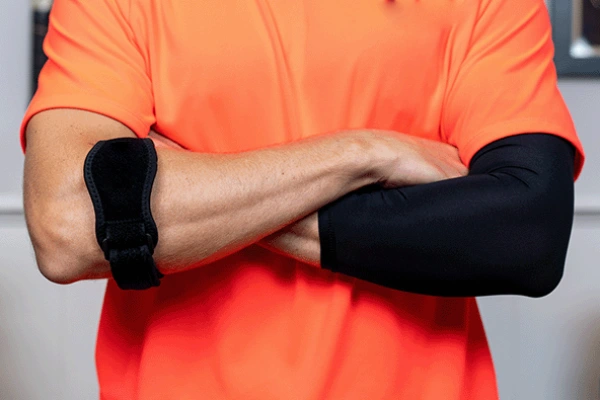
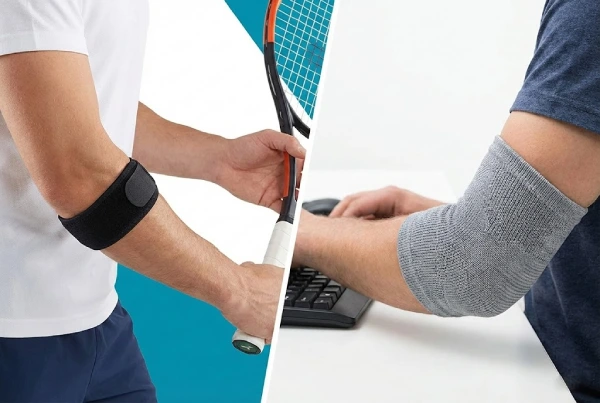
An elbow strap targets a specific tendon by pressing on your forearm muscles. An elbow sleeve covers the whole joint with light compression and warmth. If pain spikes with gripping, start with a strap during the activity. If pain feels dull, stiff, or “all around,” a sleeve is often the easier daily option.
This article is part of our broader arm support content hub. If you want a bigger picture on arm sleeves and use cases, see our complete arm sleeves guide.
Medical note: This article is for general education and product-use guidance. It isn’t medical advice. If you have severe pain, numbness, weakness, swelling, or symptoms after a fall, get medical care.
What’s the main difference between an elbow strap and an elbow sleeve?
Choosing the wrong one wastes time. It can also keep the pain coming back. You need to match the brace to how your pain behaves.
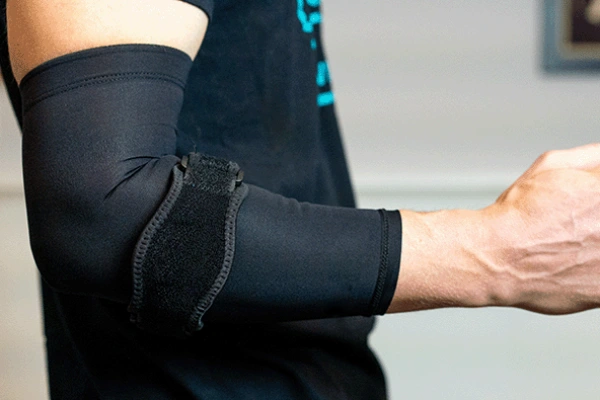
An elbow strap (counterforce strap) applies focused pressure on the forearm muscles to reduce tendon pull at the elbow. An elbow sleeve wraps the elbow with broader compression and warmth to support comfort and stiffness. Straps “aim” at tendon attachment pain. Sleeves “cover” the whole area for mild support.
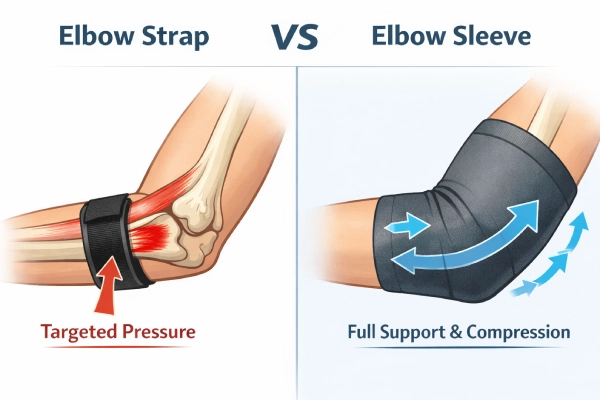
Here’s the deal: they don’t work the same way.
Elbow strap = point pressure for tendon attachment pain
A strap (also called a counterforce strap) sits on your forearm, usually 1–2 inches below the bony bump on the outside or inside of your elbow. It’s not meant to squeeze the elbow joint itself.
- The goal is to change how force moves through the forearm muscles and tendons
- It often feels best for tennis elbow (outer elbow) or golfer’s elbow (inner elbow)
- It’s popular for “sharp pain with gripping” patterns
So what does this mean for you?
If your pain spikes when you grip, lift, twist a towel, or swing a racket, this design usually matches that problem.
Elbow sleeve = broad comfort for soreness and stiffness
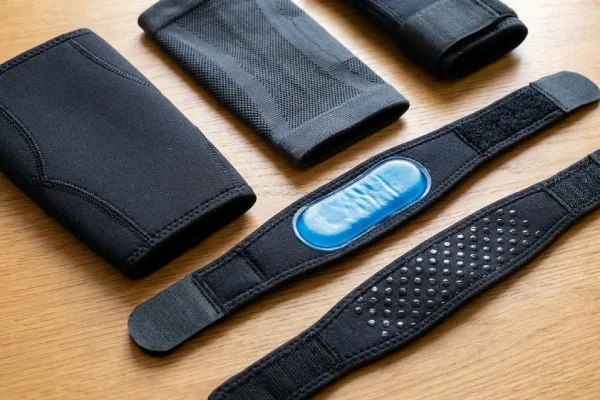
A sleeve covers more area. It gives light compression and warmth. Some are knit; some are neoprene; some blend both.
- The goal is comfort, warmth, and mild support
- It often feels best for diffuse soreness, stiffness, and “cold elbow” discomfort
- It’s easier for daily wear at a desk or on errands
If you want to compare sleeves with other elbow supports, you may also like our guide on arm sleeve vs elbow brace for elbow pain.
When should you use an elbow strap?
You don’t want a brace that “kinda helps.” You want one that matches the moment your pain shows up. A strap is usually the activity tool.
Use an elbow strap when pain is sharp and tied to gripping, lifting, or swinging. It’s most common for tennis elbow and golfer’s elbow patterns, where the tendon attachment hurts, and certain motions set it off. Wear it during the painful activity, then remove it afterward.
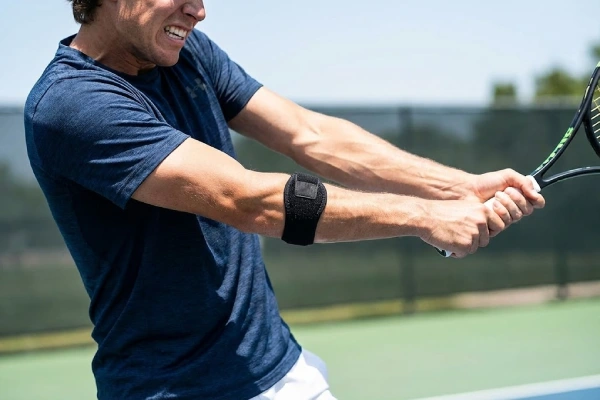
But here’s the kicker… straps are best when your pain has a clear trigger.
Signs a strap is your first try
- Pain flares with gripping: opening jars, lifting dumbbells, carrying groceries
- Pain is very specific: outside elbow for tennis elbow, inside elbow for golfer’s elbow
- You need short-term relief during training, work, or heavy tasks
- You want less heat and less bulk than a full sleeve
A lot of clinics describe straps as “wear during provoking activity.” That’s also why athletes like them: they can reduce pain without covering their whole arm.
If your elbow pain comes from racket sports, our article on arm sleeves for tennis elbow and golfer’s elbow can help you map sport → symptom → support choice.
When should you use an elbow sleeve?
Some elbows don’t feel “sharp.” They feel tired. Achy. Stiff. Or worse in cold air. A sleeve is the comfort-first option.
Use an elbow sleeve when pain is dull, spread out, or tied to stiffness and cold. Sleeves add gentle compression and warmth, which many people prefer for daily wear, light exercise, and “recovery phase” comfort. They aren’t as targeted as a strap for tendon attachment pain.

The truth is… many people stick with sleeves because they’re easy to live with.
Signs a sleeve makes more sense
- Your pain is “all around,” not one exact point
- Your elbow feels stiff in the morning or in cold weather
- You want mild support at a desk, while commuting, or during light workouts
- Your symptoms are improving and you want comfort, not aggressive pressure
You might be wondering: “Is this still useful if I sit at a computer all day?”
Yes. Sleeves are common for office and gaming use because they’re simple and consistent.
Related reads you can link readers to:
- Do arm sleeves help with elbow pain?
- How tight should an arm sleeve be? A simple fit test
- How to wear arm sleeves and measure for the right fit
Which is more effective for tennis elbow or golfer’s elbow?
People want a clear winner. But braces don’t work like pills. The “best” one depends on the pain pattern and when you need relief.
For tennis elbow and golfer’s elbow, both an elbow strap and an elbow sleeve can reduce pain in the short term. In many immediate-wear tests, differences are small. Bracing is usually a short-term pain-control tool, while long-term improvement often depends on a strengthening and load-management plan.
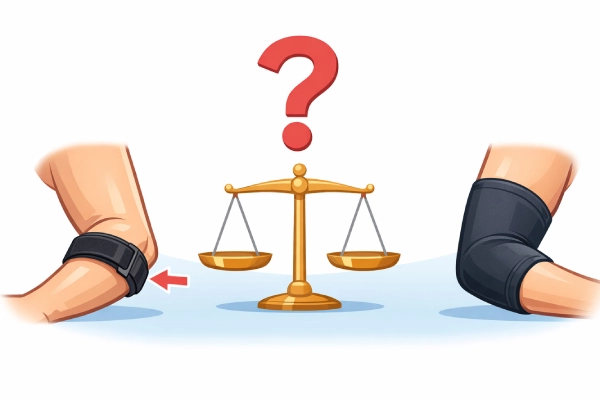
Here’s what most people miss: a brace can help, but it can’t replace rehab.
A safe, honest way to frame the evidence
- Many users get quick relief during gripping tasks
- Straps tend to feel more “point to point” for tendon attachment pain
- Sleeves tend to feel more comfortable for longer wear
- Better outcomes often come from bracing + progressive strengthening
If you’re writing for both consumers and buyers, you can also tie this to product strategy:
- Straps: “activity relief,” minimalist design, easy to pack
- Sleeves: “daily comfort,” fabric options, style, sizing range
If a brand is building a full elbow/arm line, the elbow support collection page helps readers navigate the whole category.
How do you choose fast (and what should buyers know about materials)?
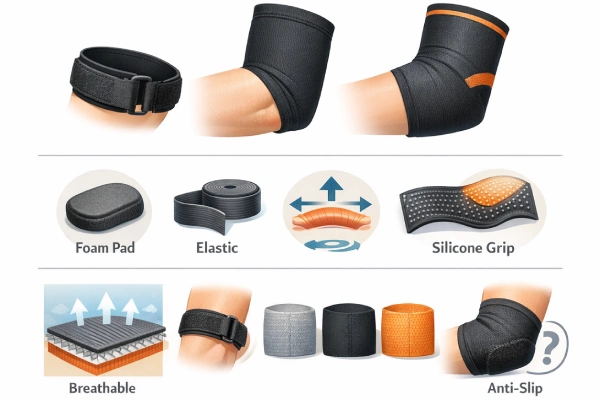
If you’re in pain, you want a quick answer. If you’re sourcing, you also want clear specs. This section does both.
Quick pick: choose an elbow strap for sharp, trigger-based pain during gripping or lifting. Choose an elbow sleeve for daily comfort, warmth, and mild support when pain is diffuse or stiff. For sourcing, focus on padding type, elasticity, breathability, edge binding, anti-slip, and size grading to cut returns.
| Your pain + goal | Better first choice | Why it matches |
|---|---|---|
| Sharp pain at a specific point (outer/inner elbow) + gripping hurts | Elbow strap | Focused pressure changes forearm tendon load |
| Dull ache, stiffness, cold discomfort | Elbow sleeve | Warmth + light compression feels better longer |
| Sports or heavy tasks where pain spikes | Elbow strap (during activity) | Less bulk, targeted relief, easy on/off |
| Office, commuting, light exercise | Elbow sleeve | Simple “all day” comfort and coverage |
Materials and build options
Since we manufacture across common market designs, here are the choices buyers usually compare:
- Sleeve fabrics: nylon/spandex knit (breathable), neoprene (warmth), blended yarns, copper-infused yarns
- Strap body: elastic webbing, neoprene wrap, knit band, hook-and-loop
- Padding: EVA foam pad, gel pad, stitched pad, removable pad
- Grip: silicone dots or bands, inner brushed lining, textured knit
- Edges & comfort: flatlock seams, bound edges, seamless knit zones
The bottom line? If your customers complain about slipping or “cutting in,” your size grading, edge finish, and anti-slip choice matter as much as compression.
If you’re planning a private label or a full line extension, start here:
- Custom arm sleeve manufacturing options & elbow support manufacturing options (for design + branding)
- Complete OEM/ODM sports support manufacture guide (for process + sourcing steps)
How do you wear an elbow strap or elbow sleeve safely?
A brace that’s too tight can cause numbness. A brace worn in the wrong spot won’t help. This is where you prevent bad experiences and returns.
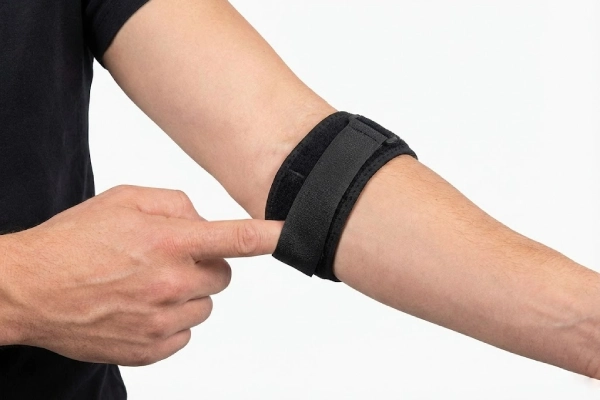
Place an elbow strap 1–2 inches below the painful bony point, with the pad on the forearm muscle. Tighten until snug but not numb; you should fit one finger under it. For sleeves, choose a size that compresses lightly without tingling, discoloration, or cold fingers.
Here’s what to do step by step.
Elbow strap fit checklist
- Position: just below the elbow, on the forearm muscle (not on the joint)
- Pad: faces the muscle belly that tenses when you grip
- Tightness: snug, not painful
- Quick test: you can slide one finger under the strap
Elbow sleeve fit checklist
- Smooth, even compression around the elbow
- No rolling edges or pinching at the top/bottom
- No numbness, tingling, color change, or cold fingers
Stop and loosen or remove the brace if you notice:
- Numbness or tingling
- Fingers turning pale/blue, or feeling cold
- Increasing pain or weakness
If these happen often, it’s smart to talk with a clinician.
Conclusion
Elbow straps target gripping-trigger pain at the tendon. Elbow sleeves give comfort, warmth, and light compression. Use the strap for activity spikes, the sleeve for daily wear, and size them to avoid numbness.
FAQs
If pain is sharp and tied to gripping, lifting, or twisting (jar opening, racket swings), a counterforce strap is usually the better first try during that activity. If pain is dull, stiff, or cold-sensitive, choose a sleeve for all-day comfort.
Usually not. A counterforce strap is designed for tendon-attachment pain from forearm muscles, not for “point pain” directly on the elbow tip. For elbow-tip irritation or swelling, consider cushioning and joint-specific support—and get assessed if swelling is significant.
For best control, wear it on bare skin or a thin, smooth layer so the pad stays stable on the forearm muscle. Thick fabric can let it slide or shift pressure. If skin gets irritated, add a thin sleeve or reposition slightly.
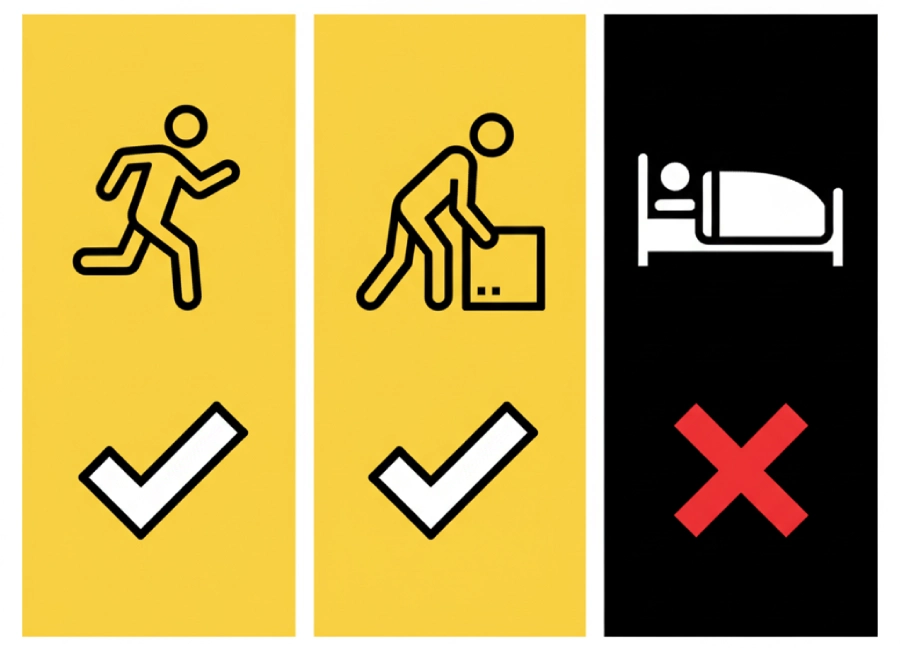
Use it mainly during the provoking task: sets, lifting, repetitive gripping, or sport drills. Many people remove it afterward to avoid skin irritation. If you need it “all day” just to function, your load plan or rehab may need adjustment.
Yes—this is a common progression. Use the strap when pain spikes with gripping, then transition to a sleeve for gentle compression and warmth once pain is more diffuse and less trigger-based. The goal is comfort while you rebuild strength and tolerance.
It may be too tight, placed too close to the elbow joint, or pressing on a sensitive spot. Move it 1–2 inches below the painful elbow bump onto the muscle belly, then loosen until snug. Stop if you feel tingling or numbness.
Generally, avoid sleeping in tight compression because you can’t monitor numbness or circulation changes. If warmth helps night stiffness, choose a looser sleeve and remove it if you wake with tingling or cold fingers. Persistent night pain should be evaluated clinically.
If pain is grip-triggered during pulling or curls, many lifters prefer a counterforce strap during working sets because it’s targeted and less bulky. If you mainly want warmth between sets or during light training, a sleeve is often more comfortable.
No. Bracing can reduce symptoms in the short term so you can keep moving, but it doesn’t rebuild tendon capacity. Long-term improvement usually comes from progressive strengthening and smarter load management. Use the brace as a support tool, not the main treatment.