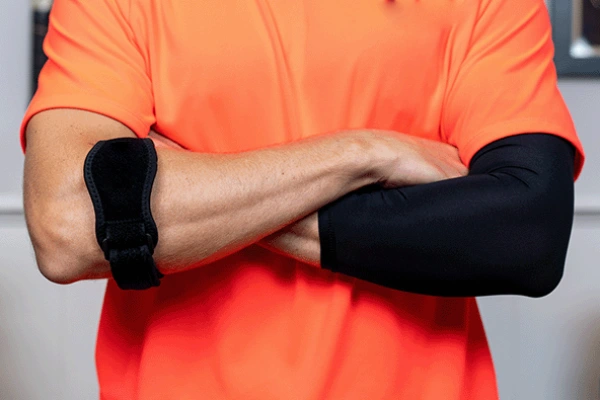
Elbow pain can make simple tasks hurt. If you choose the wrong support, you waste money and keep aggravating your tendon.
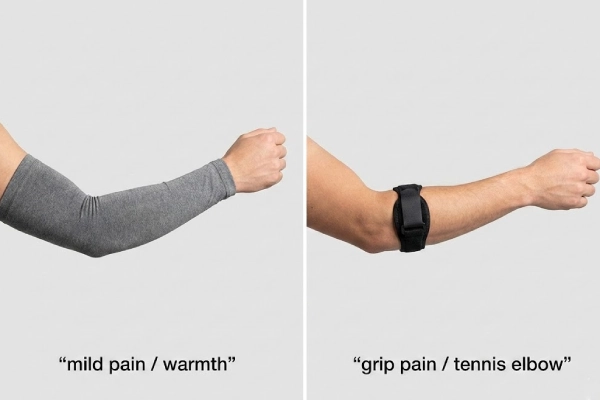
For clear tennis elbow or golfer’s elbow pain, a counterforce elbow brace often feels better during gripping and lifting. For mild pain, warmth, and daily comfort, an arm sleeve is usually easier to wear for long hours.
This article is part of our arm sleeve content hub. For the full overview of arm sleeve types, uses, and buying tips, see our arm sleeves guide.
Medical note: This article shares general product-use information and user scenarios. It is not medical advice, diagnosis, or treatment. If you have severe pain, numbness, swelling, or a sudden injury, see a qualified clinician.
Is an arm sleeve or elbow brace better for elbow pain?
Your elbow pain is not always the same problem. A sleeve and a brace help in different ways. That’s why “which is better” depends on what triggers your pain.
If your pain spikes during gripping, twisting, or lifting, a counterforce elbow brace is often the better first try. If your pain feels mild, stiff, or cold-sensitive, an arm sleeve can be a better daily option because it adds warmth and light, even compression.
Here’s the deal… most shoppers compare products by “coverage” (sleeve covers more). The real difference is how force changes at your tendon.
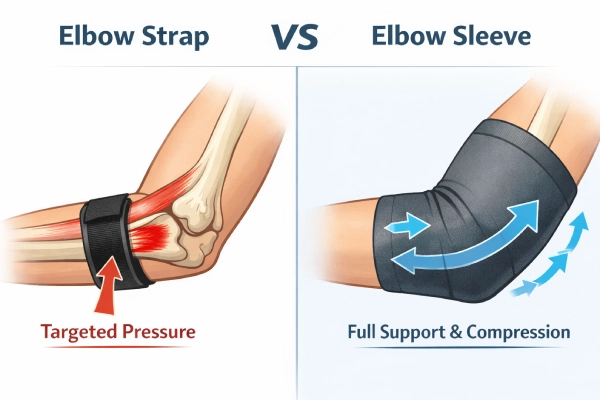
- Arm sleeve (compression sleeve): spreads light-to-moderate pressure across the forearm and elbow area. Many people use it for comfort, warmth, and a steady “held together” feel during work or sport.
- Counterforce elbow brace (strap): applies targeted pressure on the forearm muscles. The goal is to reduce how much pull reaches the painful tendon area near the elbow during grip-heavy moves.
If you want a quick baseline on whether sleeves can help, our related cluster page explains what people use them for and why: “Do arm sleeves help elbow pain?”
For sport and recovery context, you can also reference the custom arm sleeve page when you’re choosing between styles, lengths, and compression options.
When should you choose a counterforce elbow brace for elbow pain?
If you feel a sharp, specific pain point near the elbow bone and it flares fast during grip or lift, you usually want targeted unloading more than full coverage.
Choose a counterforce elbow brace when elbow pain is clearly linked to gripping, twisting, racquet sports, golf swings, lifting, or repetitive tool work. It can feel more direct because it focuses pressure on the forearm muscles, not across the whole arm.
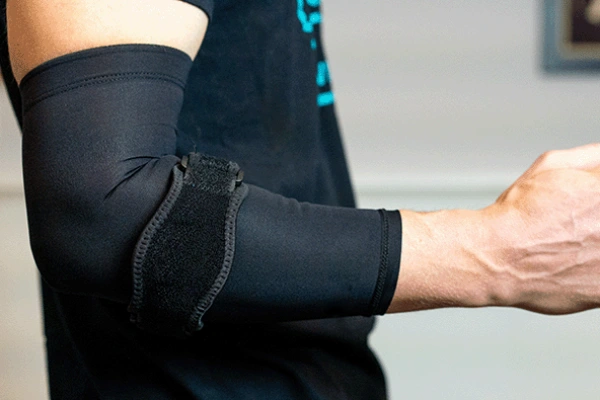
You might be wondering… “Does a brace actually work better, or is it just tighter?” In real use cases, people often report a brace helps most when:
A counterforce brace is commonly used for classic tendon-overload issues—often referred to as tennis elbow or golfer’s elbow. For a deeper guide on those conditions and sleeve options, you can see our related blog.
But here’s the kicker… the brace only “works” if placement and tightness are right. If it’s too tight, or placed on the joint instead of the forearm muscle area, people often feel more pain, skin irritation, or tingling.
When is an arm sleeve the better choice for elbow pain?
Not everyone needs a strap. Many people are dealing with mild, nagging discomfort, long work shifts, or cold-related stiffness. In those scenarios, sleeves often get worn more consistently.
Choose an arm sleeve when your elbow pain is mild, feels like soreness or stiffness, or you want warmth and light support during long wear. Sleeves are often better for office work, nursing shifts, commuting, and “prevention” use before pain gets sharp.

Sleeves tend to win on:
- Comfort: soft feel, fewer pressure points
- Wear time: easier for long hours
- Coverage: helps if discomfort spreads through the forearm
- Layering: fits under many uniforms or athletic tops
Sleeves also pair well with “how to wear and fit” content, because sizing and slippage drive complaints. If you need measuring steps and fit tips, please readed “How to wear arm sleeves and measure for the right fit” .
Here’s what most people miss… a sleeve that’s too loose won’t do much, and a sleeve that’s too tight can create numbness or finger tingling. Comfort is not just “nice to have.” It’s what makes people keep wearing it long enough to feel benefit.
How should each one fit so you don’t make pain worse?
Fit is where most “it didn’t work” reviews come from. Both products can fail if worn wrong.
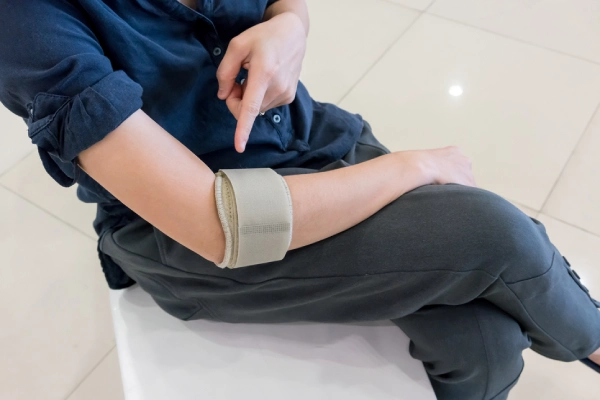
A sleeve should feel snug and even, without tingling or color change in your fingers. A counterforce elbow brace should sit on the forearm muscles just below the elbow, feel firm during gripping, and never feel like a tourniquet.
Quick fit checklist (save this)
| Check | Arm Sleeve | Counterforce Elbow Brace |
|---|---|---|
| Fingers normal color/warmth | Must be yes | Must be yes |
| Tingling or numbness | Stop/resize | Loosen/reposition |
| Best wear time | Long hours | During painful tasks |
| Common placement mistake | Bunching at elbow crease | Strapped on the elbow joint |
So what does this mean for you? Use this simple test:
- Put on the support.
- Do a gentle grip test (squeeze a soft ball or towel).
- If pain drops without numbness, you’re closer to the right setup.
- If pain increases, loosen it or change placement.
What should buyers and brands look for in sleeve and brace design?
If you’re sourcing for a brand, focus on construction details: knit structure and compression consistency for sleeves, and padding shape plus edge finishing for braces. The best product is the one customers can wear correctly and repeat daily.
For arm sleeves: specs that change user outcomes
- Compression consistency: uneven compression feels “tight in one spot, loose in another,” leading to slipping or numbness complaints.
- Top-band grip: anti-slip silicone or a better knit top band reduces “slides down” returns.
- Breathability: yarn blend and knit density decide heat build-up during long wear.
- Seam feel: flat seams or seamless knitting reduces irritation for office and healthcare users.
For counterforce braces: specs that change comfort fast
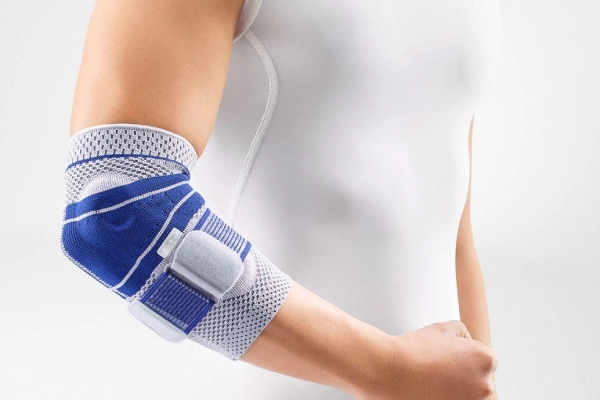
- Padding geometry: too hard feels painful; too soft feels useless. Shape matters as much as material.
- Edge finishing: rough edges cause “digging” complaints during motion.
- Micro-adjustability: better hook-and-loop control helps people find “firm but not crushing.”
Business quality signals you can stand behind
If you are building private label products, your buyers often ask about reliability and compliance. As a factory, we support customization and production control, and we hold CE, ISO13485, and BSCI certifications, which are common checklist items in procurement and quality reviews. We also provide a 3-year warranty policy for many product lines, which helps brands reduce risk in after-sales planning.
If you’re comparing manufacturing partners or planning an OEM/ODM launch, see our complete OEM/ODM sports support manufacture guide for the full workflow (materials, sampling, QC checkpoints, lead times, and packaging options).
Conclusion
A counterforce elbow brace is often better for sharp, grip-triggered elbow pain. An arm sleeve is often better for mild pain, warmth, and all-day comfort. Choose based on triggers and wear time.
FAQs
Arm sleeve vs elbow brace: which is better for elbow pain?
If your pain spikes with gripping, twisting, or lifting, a counterforce elbow brace (forearm strap) usually feels more effective during activity. If discomfort is mild, stiff, or cold-sensitive, an arm sleeve is often better for warmth and all-day comfort.
Is an elbow sleeve the same as a counterforce elbow brace?
Not exactly. A sleeve is a fabric tube that provides broad, even compression and warmth. A counterforce brace is a strap with a pad that applies targeted pressure on the forearm muscles to reduce tendon stress during gripping tasks.
Where should a tennis elbow strap (counterforce brace) be placed?
Most guidelines place the strap on the forearm muscles, about 1–2 inches (2–5 cm) below the bony bump near the sore area—not on the elbow joint. Small adjustments up or down can noticeably change comfort.
How tight should an elbow brace be for elbow pain?
Tighten until it feels supportive during gripping, but never like a tourniquet. You should not feel tingling, numbness, throbbing, or finger color changes. If symptoms appear, loosen it and reposition the pad on the muscle belly.
Can an elbow brace make elbow pain worse?
Yes. If it’s too tight or placed on the wrong spot, it can irritate soft tissue or compress nerves, increasing pain or causing tingling. A brace can also mask pain and tempt overuse, so pair it with load reduction.
Do compression sleeves help tennis elbow, or is it just placebo?
Many users report sleeves help by keeping the area warmer and more comfortable, especially for mild pain. They’re less targeted than straps, so results vary. If gripping triggers sharp pain, people often prefer a counterforce strap.
Should I wear an arm sleeve or brace all day?
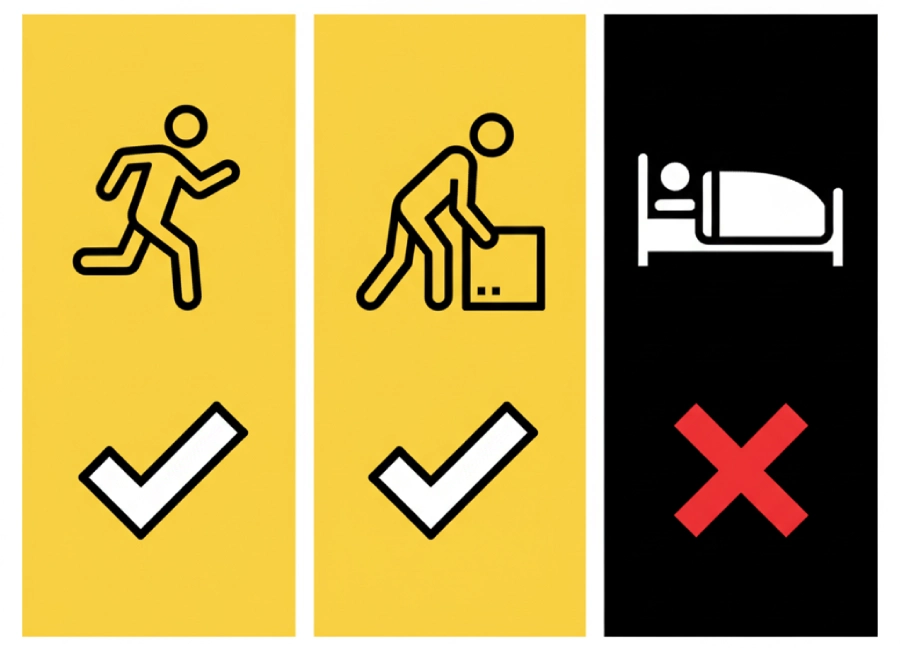
Sleeves are typically easier for long wear because pressure is spread out. Counterforce straps are usually best during aggravating tasks (sports, lifting, tool work), then removed for rest. If you feel tingling or numbness, take it off.
Can I sleep with an elbow sleeve or elbow brace on?
Most people don’t need a strap while sleeping, and localized pressure can be uncomfortable. If you try a sleeve at night, keep compression gentle and stop if your hand tingles or goes numb. For persistent night pain, get evaluated.
Can I wear an elbow sleeve and a counterforce strap together?
Some people do: sleeve for warmth/comfort, strap for task-based unloading. If you combine them, avoid stacking too much compression—numbness or finger tingling means it’s too tight. For many, “strap during activity, sleeve after” works best.
Why does my arm sleeve slide down, and how do I fix it?
Sliding is usually sizing or grip, not “weak compression.” Choose correct circumference sizing, consider a gripper top band (silicone or improved knit), and avoid lotions before wear. A sleeve that’s too long can bunch and creep downward.