A knee sleeve is one of the most widely worn pieces of supportive gear in fitness, recovery, and everyday active life — yet what it actually does is often overstated or oversimplified. It is not a brace. It does not heal injuries. It does not replace rehabilitation. What it does, when designed and worn correctly, is create a controlled environment around the knee that helps the joint feel steadier, warmer, and more aware of itself during movement.
This guide answers the three questions most people are really asking when they search for what a knee sleeve does: what it is, how it works, and who it is actually for. Where a related question deserves its own deeper answer — sizing, thickness, when to wear one, whether long-term use weakens the joint — we’ll point you to the page that handles that question in full.
What a Knee Sleeve Actually Is
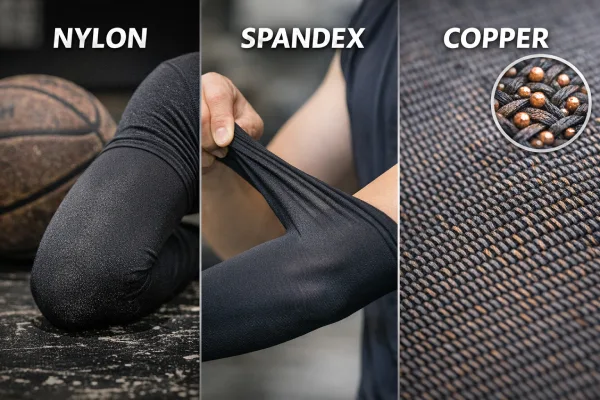
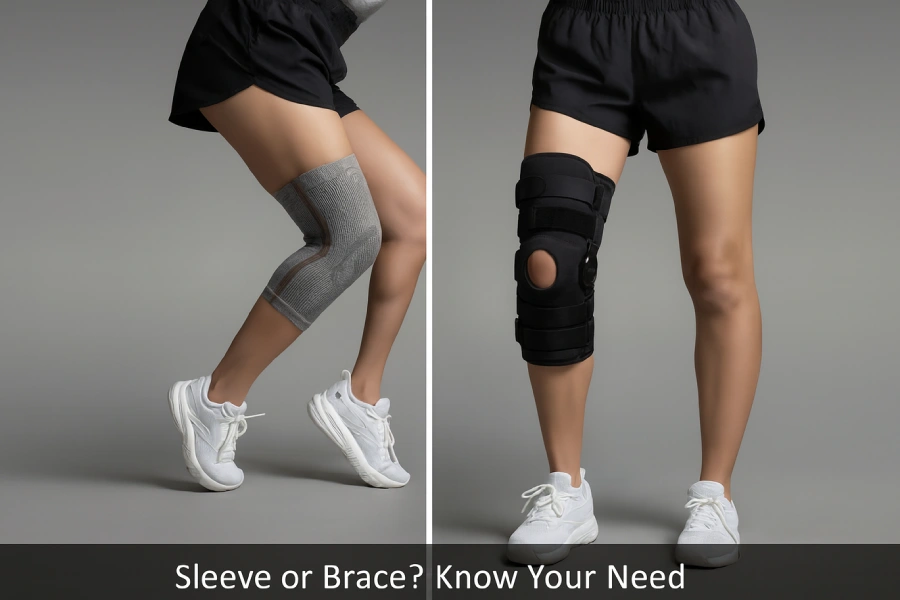
A knee sleeve is a tubular, pull-on garment made from an elastic, stretchable material — most commonly neoprene, or a knitted blend of nylon, spandex, and polyester. It slides over the knee and sits against the skin, covering the joint and a portion of the thigh and calf above and below it.
That tubular construction is the defining feature. Unlike a brace, which uses hinges, straps, or rigid panels to mechanically restrict joint movement, a sleeve has no hard parts. It works entirely through the way the material wraps and presses against the leg. This is why sleeves are often described as “support” rather than “stabilization” — they influence how the knee feels and behaves, but they do not lock or limit it.
A second thing worth being clear about: a knee sleeve is a supportive aid, not a medical device in the regulatory sense unless specifically marketed and certified as such. The right way to think about it is the same way you’d think about a well-fitted pair of compression socks — it changes the conditions around the joint, and those changed conditions can make movement feel and perform differently.
For readers comparing categories of knee gear, the difference between a strap, a brace, and a sleeve is worth understanding in its own right — each is built for a different problem.
How a Knee Sleeve Works — The Three Mechanisms
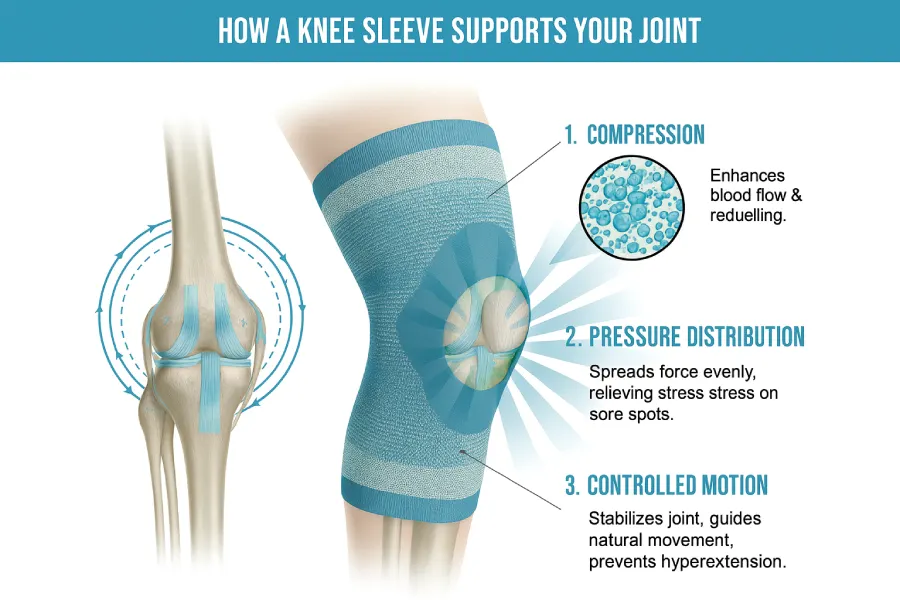
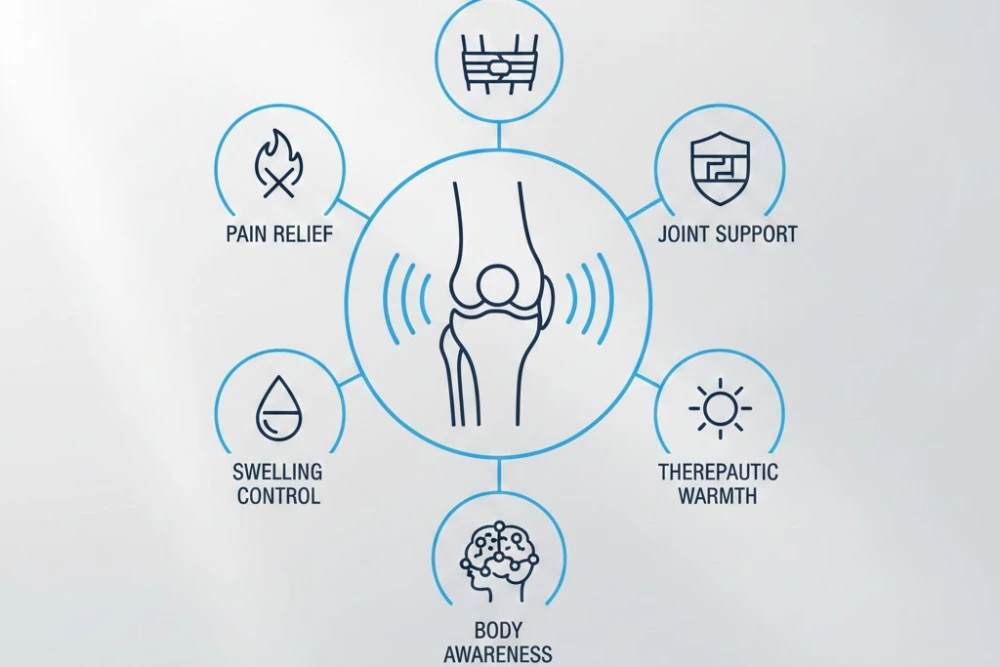
Almost everything a knee sleeve does for the wearer comes down to three overlapping mechanisms: compression, warmth, and proprioceptive feedback. These are not marketing terms; they describe physical effects that have been studied for decades in the context of compression garments and joint supports more broadly.
Compression
Compression is the steady, even pressure the sleeve applies around the entire circumference of the knee and the soft tissue surrounding it. This pressure does two practical things. It supports venous and lymphatic return — a well-documented effect of compression on the lower limbs — which is part of why many wearers report less puffiness or stiffness in the joint after long periods of standing or after a hard session. And it gives the soft tissues around the kneecap and joint line a sense of being “held” — which, for many people, reduces the loose, unstable feeling they get during squats, running, or descending stairs.
The amount of compression depends heavily on material thickness, weave or knit construction, and fit. A 5 mm neoprene sleeve and a 7 mm neoprene sleeve feel meaningfully different on the knee. Thinner sleeves favor mobility and breathability — typically the right choice for running, court sports, or long daily wear. Thicker sleeves favor warmth and a firmer wrap — typically preferred for heavy strength work. Neither is universally better, and our breakdown of how thickness changes the feel and use case covers the trade-off in full.
Warmth
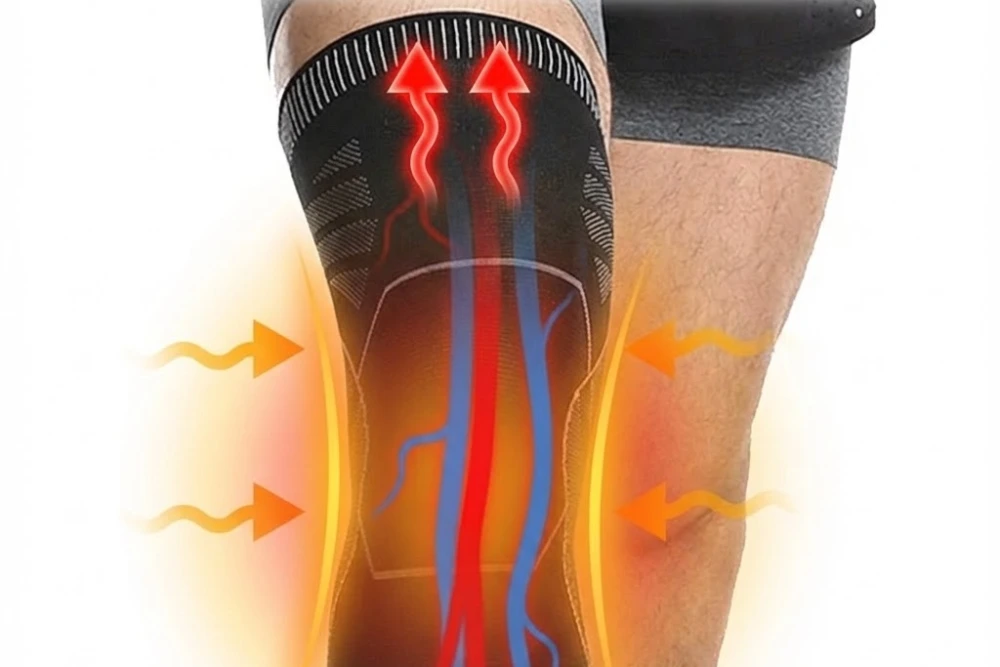
The second mechanism is heat retention. By trapping body heat against the joint, a sleeve raises the local tissue temperature. Warmer connective tissue is more pliable and less resistant to motion — this is the same principle behind warming up before exercise. For people with stiff knees first thing in the morning, after long periods of sitting, or in cold-weather training, this thermal effect is often the single most noticeable benefit of wearing a sleeve. It doesn’t change what’s happening inside the joint, but it changes how the joint moves through its range.
This is also why neoprene sleeves, which trap heat aggressively, tend to feel different from breathable knitted sleeves designed for hot environments or all-day wear. The choice between them is mostly about how much warmth you want and for how long you plan to wear it.
Proprioceptive feedback
The third mechanism is the most under-appreciated. Proprioception is your body’s internal sense of where its joints are in space — the constant, unconscious feedback your nervous system uses to coordinate movement. When a sleeve wraps the knee snugly, the pressure on the skin and underlying tissue gives your nervous system more information about the joint’s position. Many wearers describe this as the knee feeling “switched on” or “aware” during movement.
This is the mechanism most often misunderstood as the sleeve “stabilizing” the knee. The sleeve isn’t mechanically stabilizing anything — it’s helping you stabilize the knee yourself by giving your nervous system clearer feedback. This distinction matters, because it’s also why long-term sleeve use doesn’t deactivate the muscles around the joint the way some people fear. A 2017 systematic review of biomechanical and functional studies on knee sleeves found that improvements in proprioception were among the most consistently reported effects across healthy users. We’ve covered that question in depth on a separate page: whether long-term sleeve use weakens the knee.
Who a Knee Sleeve Is For
Knee sleeves are used by three broad groups of people, and the reasons differ enough that it’s worth describing each separately rather than lumping them together.
Training and sport
The most visible group is athletes — particularly in strength sports, CrossFit, running, basketball, and skiing. For lifters squatting or cleaning heavy loads, a sleeve provides warmth that keeps the joint feeling smooth through the bottom of the rep, mild compression that some wearers feel reduces strain on the patellar tendon, and proprioceptive feedback that helps them control the eccentric phase. Runners and court athletes tend to use thinner, more breathable sleeves for the warmth and feedback rather than for any kind of mechanical support.
For training contexts, what matters as much as the sleeve itself is knowing when to put a sleeve on and when to leave it off — a sleeve worn continuously for low-intensity work is doing less than a sleeve worn specifically during loaded or high-impact movement.
Recovery and managing nagging soreness
The second group is people recovering from a flare-up of patellar tendon discomfort, mild meniscus irritation, post-surgery deconditioning (under a clinician’s guidance), or general overuse soreness. For this group, the sleeve’s job is mostly comfort and reassurance: warmth makes movement easier, compression makes the joint feel less swollen, and proprioception makes daily activities like walking down stairs feel more controlled. A sleeve is not a substitute for diagnosis or rehab here — but it can make the rehab process more tolerable.
Daily wear and occupational use
The third group is people who are on their feet all day — nurses, factory workers, retail staff, hikers, gardeners — and who notice their knees feel better when wrapped. The driver here is usually a mix of mild compression reducing end-of-day puffiness and warmth keeping the joint comfortable through long static or repetitive work. For this group, breathability and skin comfort matter more than maximum compression.
Fit, Sizing, and Wear — The Short Version
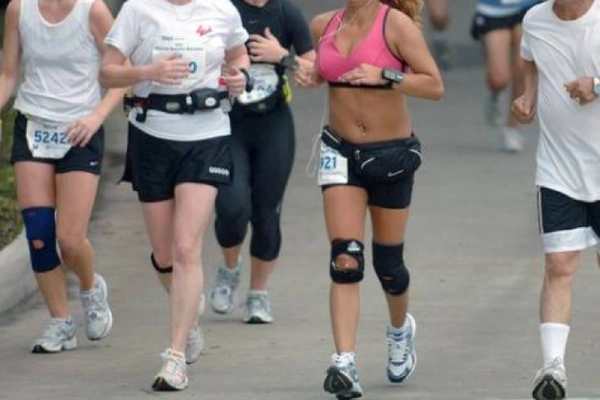
Two things determine whether a knee sleeve actually delivers any of the effects described above: choosing the right size, and putting it on correctly. Both sound trivial. Neither is.
A sleeve that’s too loose can’t apply meaningful compression and won’t stay in place. A sleeve that’s too tight cuts off circulation, slides into uncomfortable folds, and gets discarded after a week. Brand sizing charts vary, and a “medium” in one brand can run a full size off from another. The reliable approach is to measure your leg — usually mid-thigh or directly above the kneecap, depending on the brand’s instructions — and match the measurement to the chart, ignoring the size label.
Wearing it correctly matters too: the seam orientation, how high it sits on the thigh, and which side of the kneecap an opening or pad lines up with all change how the sleeve performs.
These two questions get full treatment on their own pages — finding the right size and wearing it correctly.
When a Knee Sleeve Isn’t the Answer
There are situations where a sleeve isn’t the right tool, and being clear about them is part of giving an honest answer to what a sleeve does.
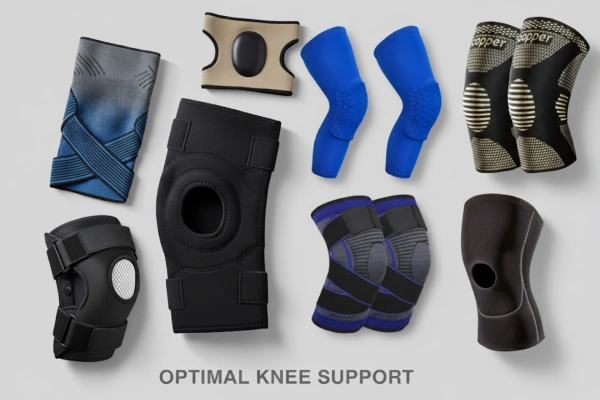
A sleeve does not stabilize a knee with ligament damage. If you have a torn or significantly compromised ACL, MCL, or other major ligament, you need diagnosis and likely a hinged brace prescribed for that specific instability — not a sleeve. A sleeve does not reduce the swelling of an acute injury the way ice and elevation do in the first hours after a strain or impact. A sleeve does not correct alignment problems, treat advanced osteoarthritis, or replace strengthening work for muscles around the knee.
If your knee gives way under normal load, locks, makes alarming noises with pain, or swells significantly without a clear cause, the next step is a clinician — not a sleeve. The American Academy of Orthopaedic Surgeons maintains a useful patient overview of the most common knee injuries and when each requires medical attention.
Frequently Asked Questions
For most healthy users, no — but it’s usually unnecessary. The benefits of compression and warmth are most useful during activity or extended standing. Wearing a sleeve through low-demand hours mostly just delays when the skin gets to breathe. If you do wear one for long stretches, choose a breathable knitted construction over heavy neoprene.
It can reduce some of the contributing factors — cold, stiff tissue and reduced proprioceptive feedback — but it can’t override poor movement mechanics, inadequate strength, or excessive load. Treat a sleeve as one input into a healthy training environment, not as protective equipment.
This is one of the most common worries and it has its own dedicated page. The short answer is that wearing a sleeve does not deactivate the muscles around the knee; the longer answer is on our page about long-term sleeve use.
Only if both knees benefit. Wearing one on a knee that feels completely fine adds no value and can be uncomfortable. The exception is symmetric sports where most lifters or runners prefer a matched pair for consistency of feel.
Different problems. A sleeve is for warmth, compression, and proprioception during activity. A brace is for mechanical stabilization of a specific instability. The full comparison is on our strap-vs-brace-vs-sleeve page.
Generally not recommended. Circulation changes during sleep and a sleeve sized for daytime activity can become restrictive. If a clinician has advised compression overnight for a specific reason, follow their guidance.