
Knee compression sleeves are easy to buy but hard to use with confidence. Many people are not sure when to put them on: only for workouts, at work, or even at night.
A knee compression sleeve makes the most sense during higher-load activities and short recovery windows. Wear it for sports, heavy training, long standing, or mild swelling—not as a 24/7 solution. Always follow your doctor’s advice for serious or unexplained pain.
You will see clear, real-life timing rules in this guide, written from the view of a knee sleeve manufacturer that works with sports, medical and rehab brands every day.
What does a knee compression sleeve actually do?
How compression sleeves affect your knee
Many readers search “when to wear a knee compression sleeve” before they really know what the product does to the joint.
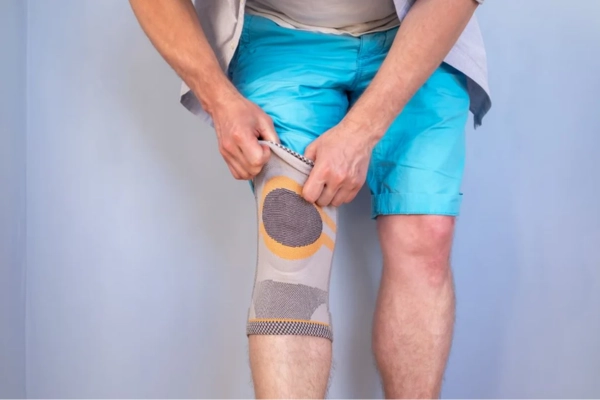
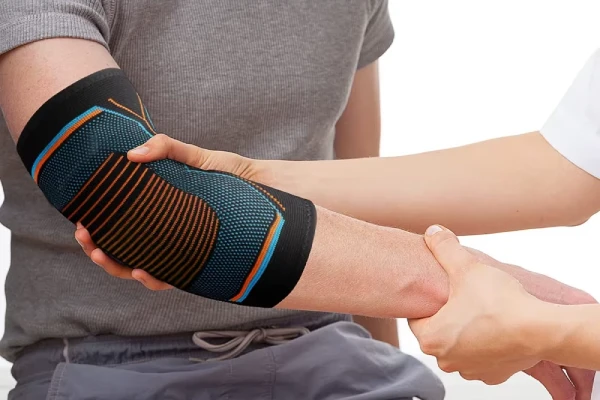
A knee compression sleeve applies gentle pressure around the joint to support blood flow, reduce mild swelling, and give the knee a more stable feeling. It supports movement for mild to moderate discomfort but does not replace a rigid brace for severe injuries.
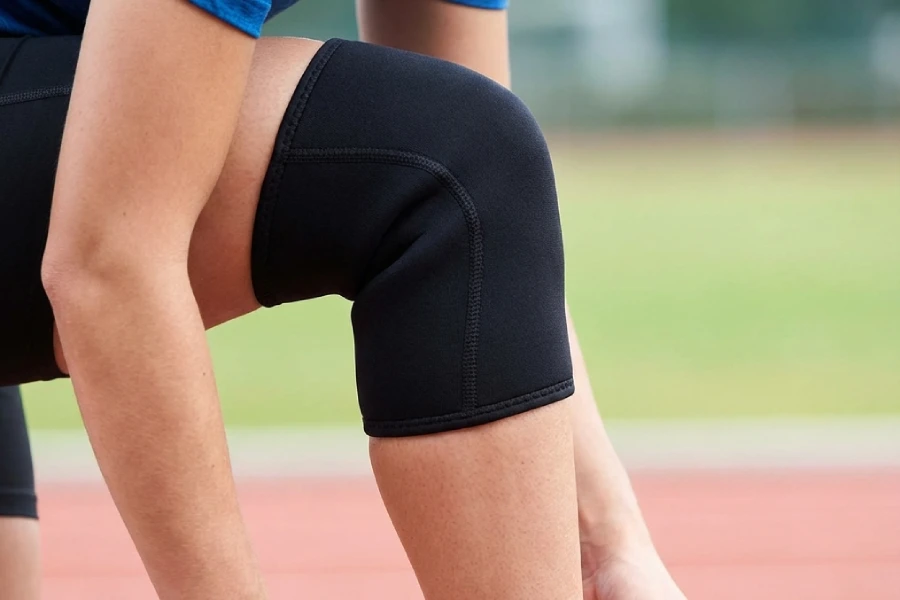
Most sleeves use elastic, knitted, or neoprene materials. The snug fit increases pressure in the soft tissue, which supports venous return and can limit fluid build-up around the joint after activity or a long day on your feet.
The compression and light contact also help your body “feel” where the knee is in space. This improved proprioception can support more controlled movement and give some users more confidence for day-to-day tasks and training.
What a sleeve does not do
Here’s the deal: a sleeve is not a magic fix.
- It does not realign bones after trauma
- It does not replace damaged ligaments
- It does not remove the need for strength work or weight control
For unstable knees, major ligament tears, or post-surgery protocols, doctors often choose structured braces, not sleeves. In this guide, we focus on the realistic role of a knee compression sleeve: support for sports, daily life, and rehab that is already cleared by a professional.
If you want a deeper breakdown of how a knee sleeve works, including materials and thickness, you can read our full guide: Complete Guide of What Does a Knee Sleeve Do.
When should you wear a knee compression sleeve for sports?
Typical sports situations where sleeves help
People who train often are the ones who ask timing questions first: “Do I need sleeves every session or only on heavy days?”
Wear a knee compression sleeve for sports that load the knees hard—running, jumping, cutting, and heavy lifting—especially if you feel mild pain or have a history of knee issues. Use it during warm-up and the main session, then remove it once the demanding work and early recovery period are over.

Good use cases in sport:
- Running on hard surfaces with repeat impact
- Court and field games with fast changes of direction
- High-rep bodyweight work that leaves knees tired
- Return to sport after minor injury, where a clinician already cleared activity
You might be wondering how long that “window” should be. For most healthy athletes, it means: on for warm-up, main sets, and a short cool-down, then off for the rest of the day.
Running and field sports
But here’s the kicker: many runners and players either wear sleeves all the time or not at all. The sweet spot usually sits in between.
Consider a sleeve for running and field sports when:
- Knee pain appears only during or after effort
- You feel a light, repeatable ache on stairs after training
- Ground is hard, cold, or uneven
- You have mild arthritis and your doctor supports regular activity
A practical routine:
- Put the sleeve on 10–15 minutes before warm-up
- Wear it through the session
- Keep it on for at most 1–2 hours after, if the knee feels calmer with support
- Take it off for normal rest, stretching, and sleep
Strength training and lifting
Strength athletes use sleeves a bit differently. Brands that sell 5 mm and 7 mm neoprene sleeves often position them for heavy squats, lunges, and strongman-style work.
Use a knee compression sleeve in the gym for heavier or high-volume lower-body sessions, especially barbell days, not for every light warm-up set your body can handle without help.
Examples:
- Heavy barbell squats and front squats near your max
- High-rep leg work that pushes local fatigue
- Training cycles where squat volume jumps up
- Days after travel or long sitting when knees feel stiff at the start
A smooth pattern many lifters like:
- Warm up with bodyweight and light loads first
- Put sleeves fully on for main work sets
- Roll them down or remove them between blocks to let skin and circulation reset
When does it make sense to wear a knee compression sleeve in daily life?
Work, travel, and light activity
Many people who search this topic are not athletes. They stand all day in a store, walk long hospital corridors, or sit in a car for hours.
Wear a knee compression sleeve during daily tasks that usually trigger discomfort—long walking, standing, or sitting—and limit use to the parts of the day that stress your knee, not every waking hour.

Typical daily situations:
- Retail, warehouse, and healthcare jobs with long-standing shifts
- City walking days, light hiking, or sightseeing with many stairs
- Long flights or drives where the knee stiffens in one position
- Mild age-related stiffness that improves with warmth and support
The truth is, many of these people first try a sleeve because a friend “swears by it.” Your article can move them from guessing to simple rules they can trust.
Simple timing rules for daily life
Here’s what most people miss: daily-life use should be planned just like a workout.
A simple timing pattern:
- Put the sleeve on shortly before the hard part of the day (start of shift, walk, or trip)
- Keep it on for a few focused hours, not from morning to night
- Take it off during breaks to stretch, move the joint freely, and check the skin
- Remove it at home to let the knee and lower leg relax without pressure

Should you wear a knee compression sleeve after an injury or surgery?
When compression is used in rehab
Some readers have already seen a doctor and now wonder how a sleeve fits into their recovery.
After an injury or surgery, a knee compression sleeve is often used in short blocks during walking and rehab exercises, according to a doctor or physical therapist’s plan—not as a full-day replacement for structured treatment.
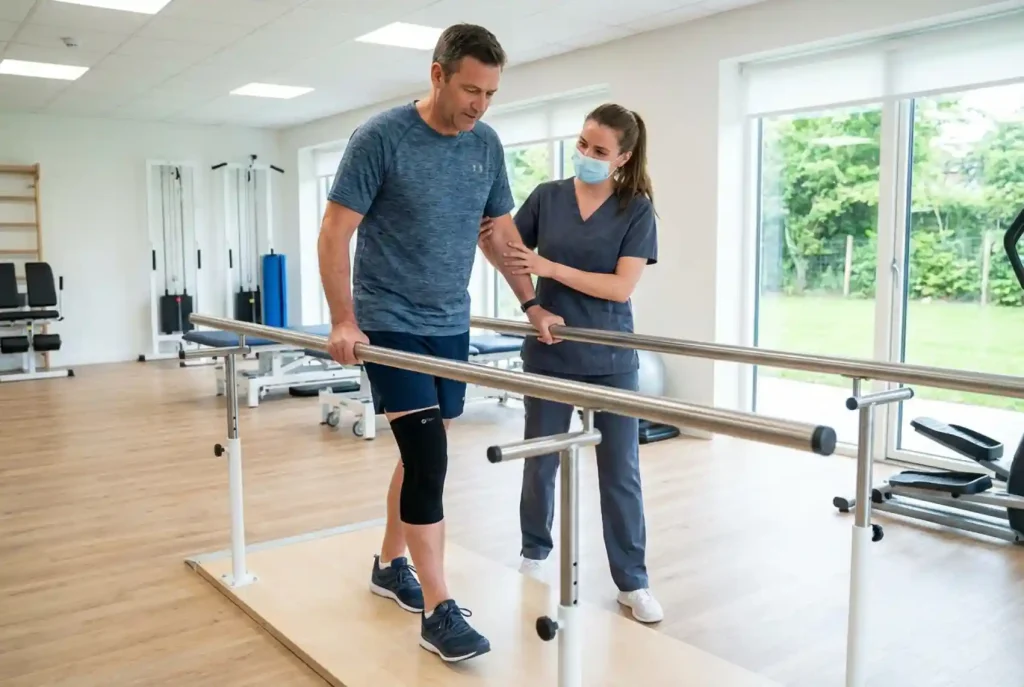
In early rehab phases, compression is often one part of a broader plan together with rest, controlled loading, and range-of-motion work. It can support:
- Walking practice after the first healing stage
- Light daily tasks that are already cleared
- Supervised rehab sessions
The sleeve is a tool to manage swelling and give the joint a calmer feeling while you regain strength and control. It does not change the biology of healing on its own.
General guidance readers often hear
For minor strains or flare-ups:
- Wear the sleeve during walking and light tasks
- Keep it on during rehab exercises that bother the knee without support
- Remove it for rest, elevation, and sleep unless told otherwise
For chronic conditions such as mild arthritis or tendon irritation:
- Use the sleeve for activity blocks that usually cause pain
- Combine it with strength training, weight control, and movement practice
The bottom line? Any article on rehab timing should remind readers that diagnosis and load progress need a professional. Your role as a manufacturer is to explain the product’s role clearly, not to replace clinical judgment.
When should you not rely on a knee compression sleeve?
Situations where a sleeve is the wrong choice
Knowing when to wear a knee compression sleeve is only half of the story. The other half is knowing when it is not enough.
Skip a knee compression sleeve and seek urgent medical advice if your pain is severe, the knee looks misshapen or very swollen, you cannot bear weight, or you notice numbness or color changes in the leg.
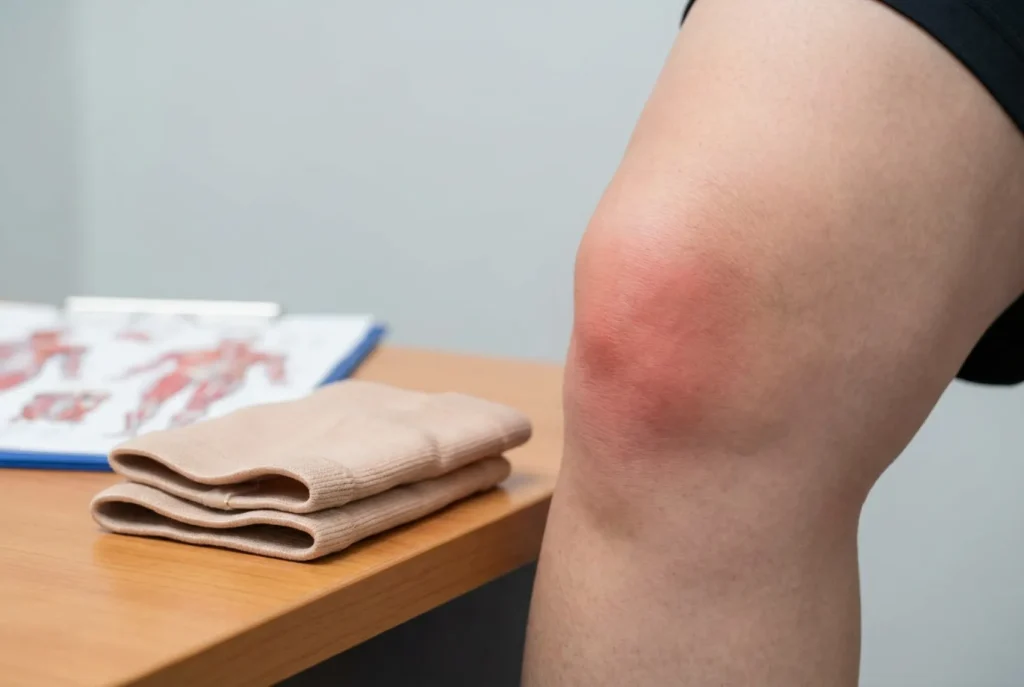
Warning signs that call for a professional check:
- Sudden intense pain after a fall or twist
- Fast, heavy swelling
- Visible deformity
- Repeated giving-way or locking episodes
- History of blood-clot problems in the leg
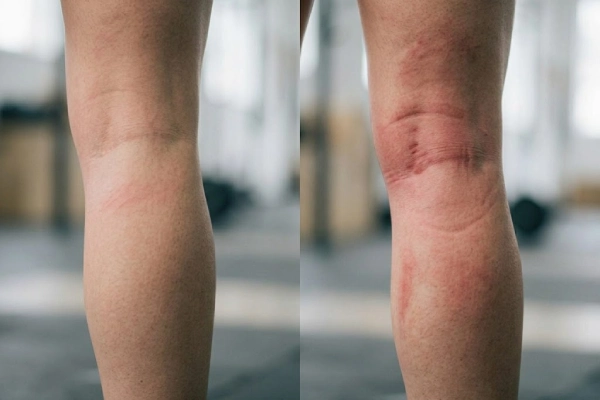
In these cases, a sleeve might hide important symptoms and can even worsen circulation.
Warning signs while wearing the sleeve
Even in normal use, people should watch what their body tells them during wear:
- Numbness or tingling in the foot or lower leg
- Blue, pale, or very red skin below the sleeve
- Burning, itching, or unusual pain under the fabric
If any of these appear, you should remove the sleeve at once. If symptoms stay, speak with a healthcare professional. To reduce these risks, the sleeve must fit correctly. For sizing and measurement instructions, you can follow our guide: How to Choose the Right Size Knee Sleeve.
Matching situations, timing, and sleeve types
Quick timing table for common use cases
Readers who buy or develop products often think in use scenarios. A simple table helps them decide when to wear a knee compression sleeve and which type fits that window.
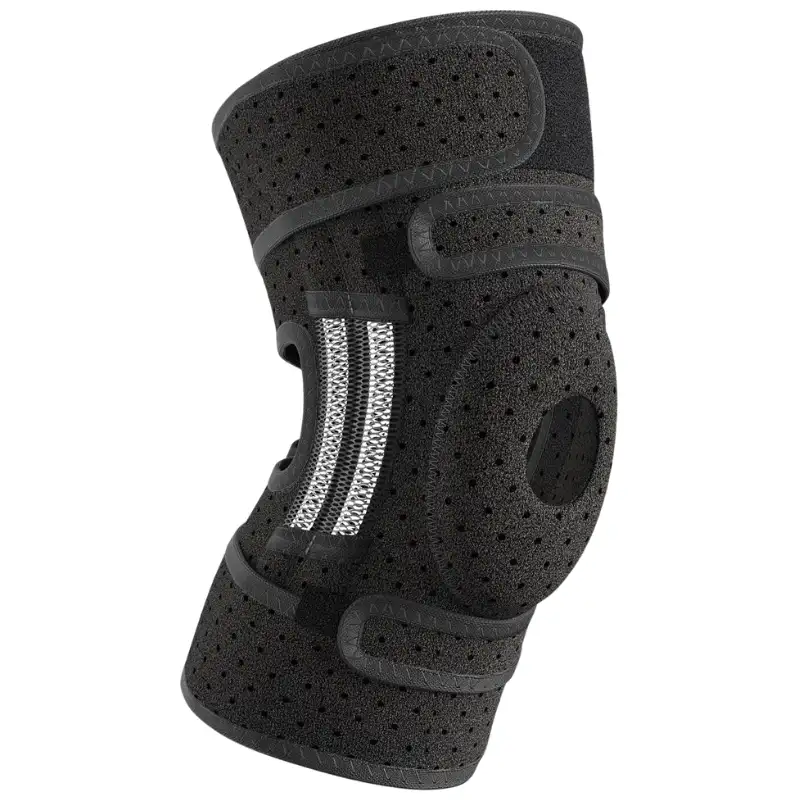
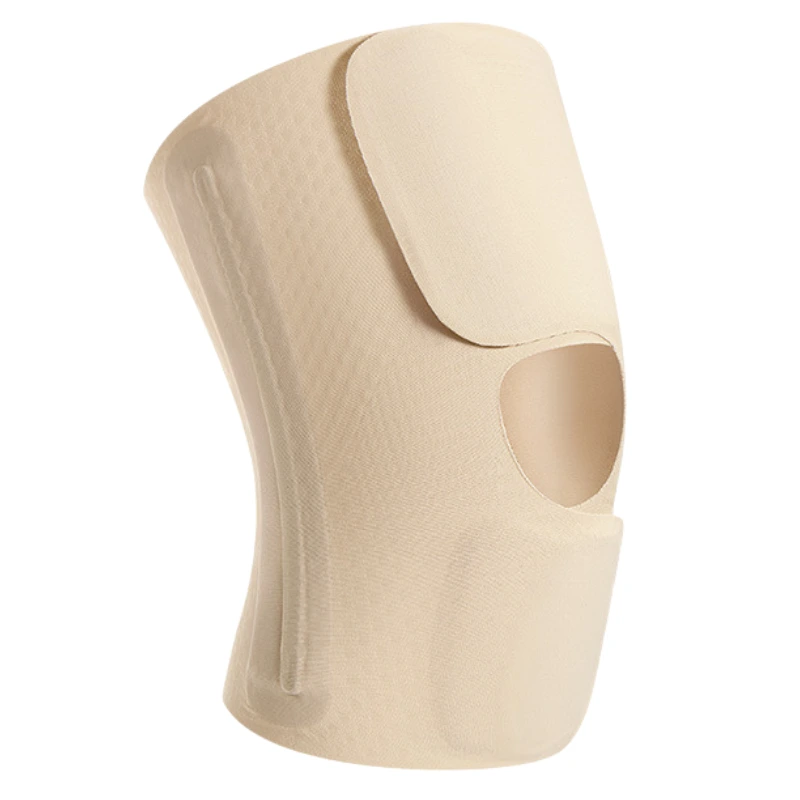
Use lighter, more flexible compression sleeves for longer, lower-intensity blocks and choose thicker or padded sleeves for shorter, high-impact sessions. Match wear time and sleeve style instead of keeping one sleeve on all day.
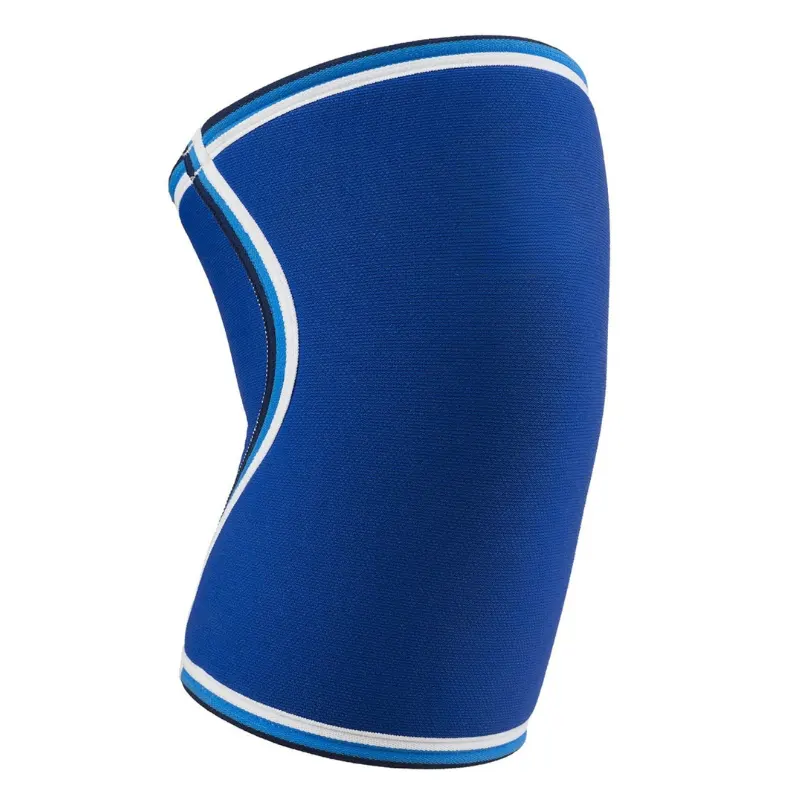
| Scenario | When to wear the sleeve | Suggested product type |
|---|---|---|
| Easy runs or cardio with mild pain | During the run and up to 1–2 hours after | Compression knee sleeve |
| Heavy lifting (squats, lunges) | From warm-up sets through main working sets only | Neoprene knee sleeve |
| Court or field sports | During practices and matches | Knee sleeve with straps |
| During walks, errands, or housework, that usually hurts | For the most demanding hours of the shift | Bamboo or copper-blend compression sleeve |
| Light hiking or city walking days | While walking or climbing stairs | Standard compression knee sleeve |
| Mild arthritis in daily tasks | During walks, errands, or housework that usually hurts | Bamboo knee sleeve |
| Contact or kneeling work | Only during tasks with impact or kneeling | Padded knee sleeve |
| High-concept performance designs | During specific heavy loads in sport | Bionic knee brace sleeve |
This table lets buyers and end users connect products with timing in one place, without repeating long explanations from earlier sections.
How long should you wear a knee compression sleeve at a time?
General duration rules linked to timing
Search terms about “when” often slide into “how long.” Readers want simple time frames, not complex formulas.
Most people only need a knee compression sleeve for the window around higher-stress activity and for short recovery after—usually a few hours. All-day or overnight wear should only happen under medical guidance.
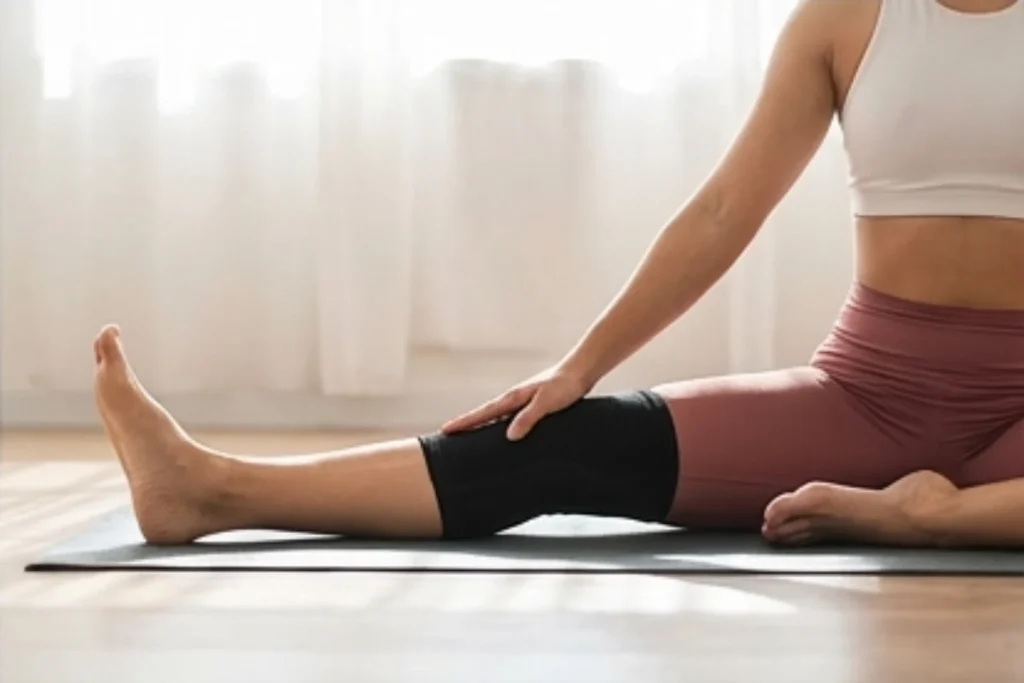
General patterns from clinic and education sources look similar:
- Put the sleeve on shortly before the task that usually bothers your knee
- Keep it on during the activity
- Extend wear for up to 1–2 hours after if the joint feels more comfortable with mild compression
- Remove it for long sitting at home, sleep, and skin checks
Wearing a sleeve for eight hours or more every day without a clear plan can limit circulation, irritate the skin, and reduce muscle engagement around the joint over time. This risk is one of the key reasons why most experts describe sleeves as temporary aids, not permanent supports.
On your site, a separate supporting article about “how long to wear a knee compression sleeve” can go deeper into time windows, but this pillar page already gives a clear first answer to match the search intent.
Conclusion
Wear a knee compression sleeve when the load on your knee rises—during sport, heavy work, or planned rehab—not for whole days without breaks or medical advice.
FAQs
Should I wear a knee compression sleeve every time I train?
Use it for heavy, high-impact, or painful sessions. Let lighter workouts challenge your natural stability so your muscles still get strong over time.
Is it okay to wear a knee compression sleeve all day?
Most people should not. Long continuous wear can reduce circulation and irritate nerves or skin. Use time blocks and speak with a doctor if pain drives all-day use.
When is the best time to wear a knee compression sleeve for running?
Put it on before your warm-up, keep it on during the run, and remove it a short time after. Do not keep it on for the rest of the day without any reason.
Can I wear a knee compression sleeve while working a long-standing shift?
Yes. Wear it for the busiest hours of your shift, take breaks to move and stretch, and remove it at home to let your leg relax and your skin breathe.
Should I wear a knee compression sleeve at night?
In most cases, no. Sleeping with tight compression can affect circulation and skin. Only follow a nighttime plan if a doctor gives clear instructions.
When should I start using knee sleeves for lifting?
Start when weights feel heavy, you repeat lower-body days often, or your knees feel sore after squat sessions. Focus on good technique before relying on gear.
Is a knee compression sleeve good for arthritis?
Yes, many people with mild arthritis feel better during walking or daily tasks with light compression. It should sit next to, not replace, exercise and weight control.